Air Force Flight Training

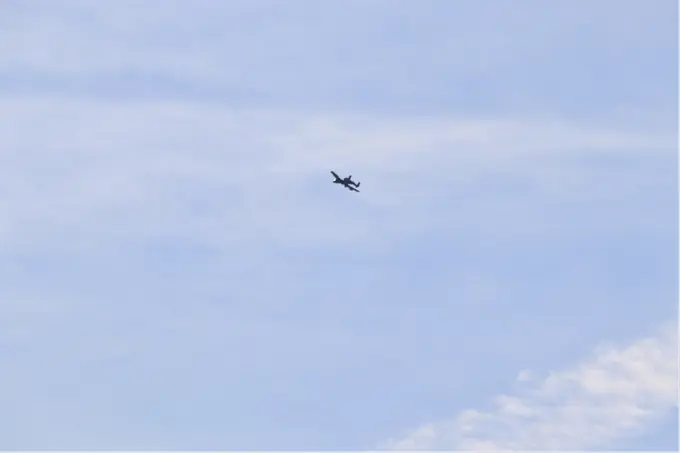
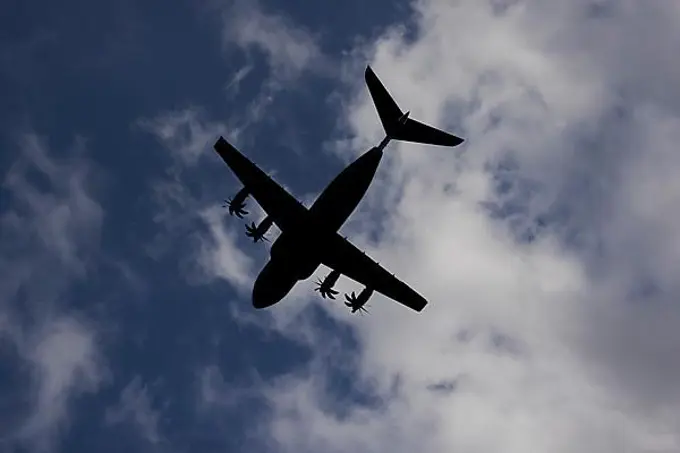
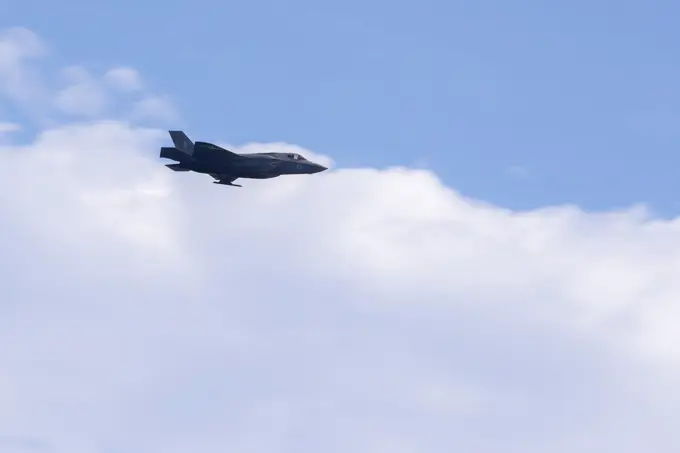
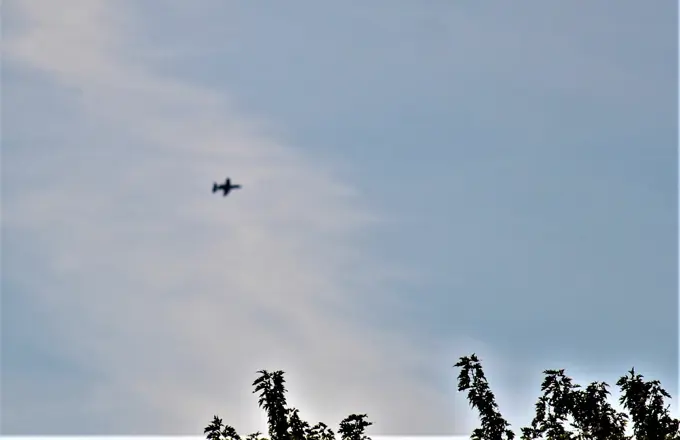
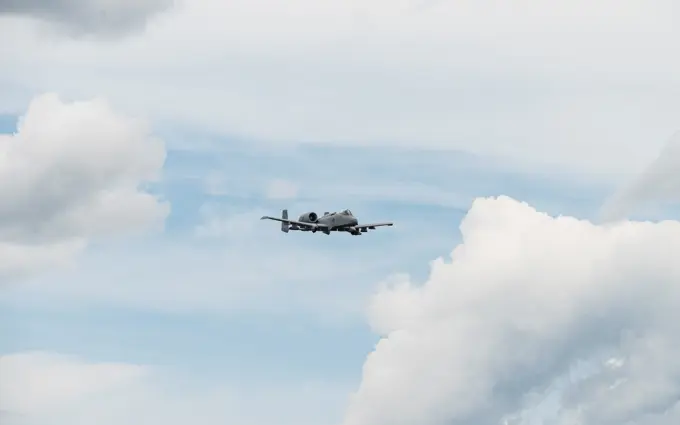
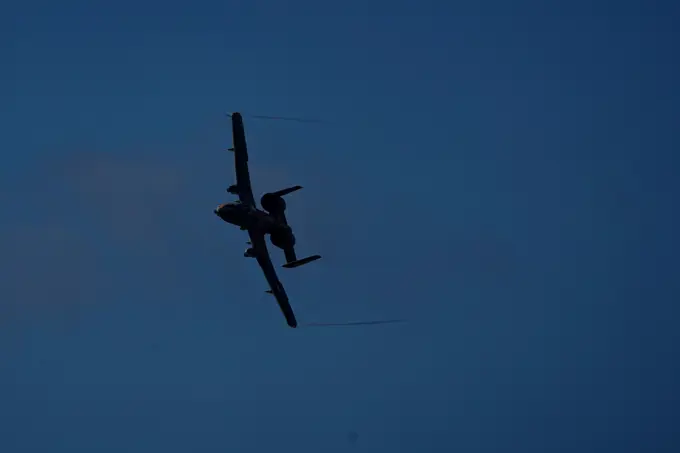
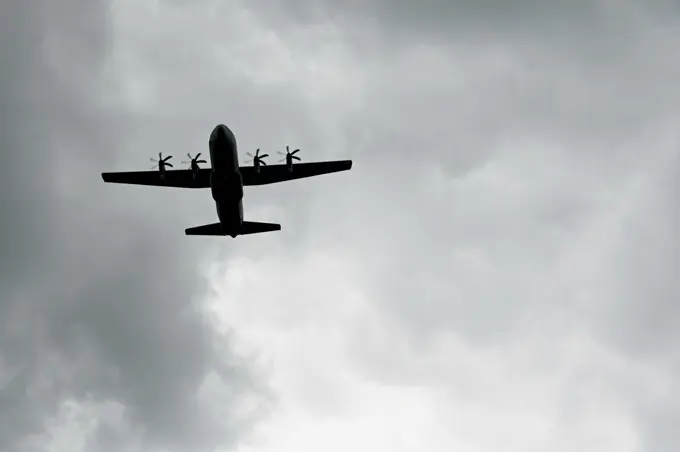
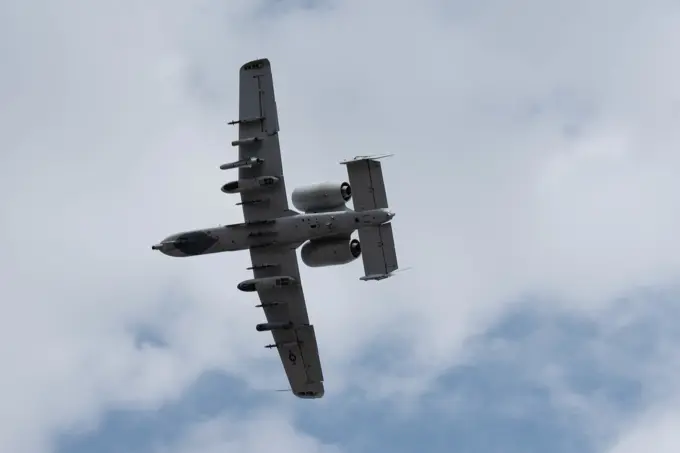
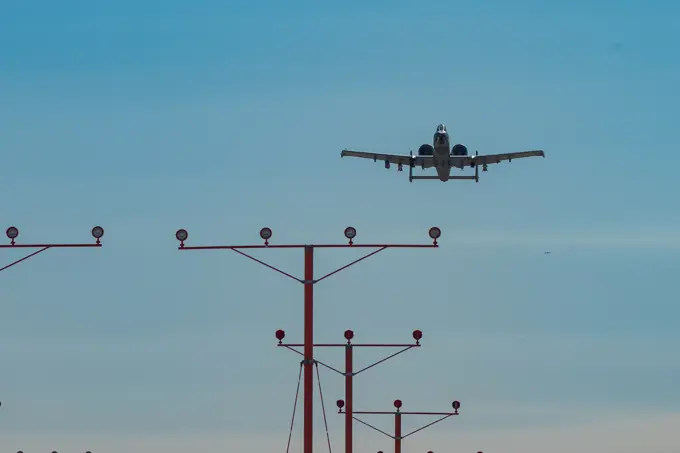
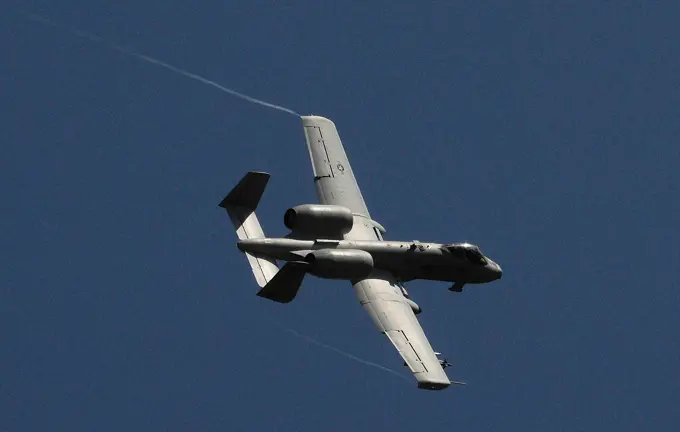
Footage of A-10C Thunderbolt II aircraft training operations, showcasing aerial maneuvers essential for close air support scenarios.

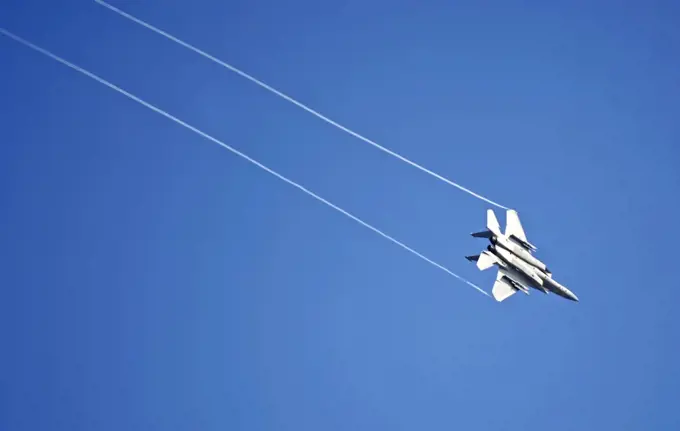
An Air Force pilot guides an A-10C Thunderbolt II aircraft over the airspace on South Post at Fort McCoy, Wis., on Oct. 4, 2022, as part of training operations at installation. Several A-10s completed taking off and landing at Young Air Assault Strip on South Post and flying routes over the installation. According to the Air Force fact sheet for the A-10C, the Thunderbolt II is the first Air Force aircraft specially designed for close air support of ground forces. They are simple, effective and survivable twin-engine jet aircraft that can be used against light maritime attack aircraft and all ground targets, including tanks and other armored vehicles. The A-10C offers excellent maneuverability at low airspeeds and altitude while maintaining a highly accurate weapons-delivery platform. They can loiter near battle areas for extended periods of time, are capable of austere landings and operate under 1,000-foot ceilings (303.3 meters) with 1.5-mile (2.4 kilometers) visibility. Additionally