Fine ArtVintageFootageSubscriptionBoardsFree ResearchPricing
  • Fine Art
  • Vintage
  • Footage
  • Subscription
  • Boards
  • Free Research
  • Pricing

Ancient Artifacts

Fragments and items from historical periods, showcasing glasswork and jade carvings. Displays a range of ancient techniques and materials.

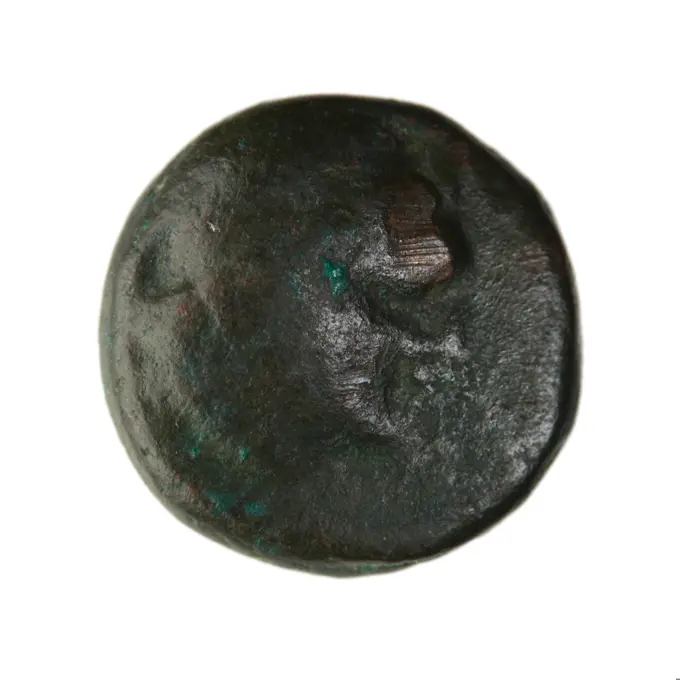
Greece, Kimerian Bospor, Pantikapajon, around the first half of the second century BC, bronze (AE) Panticapaeum
256 assets in this story
1525-21388612
object on white - food chocolate confectionery
4443-28729635
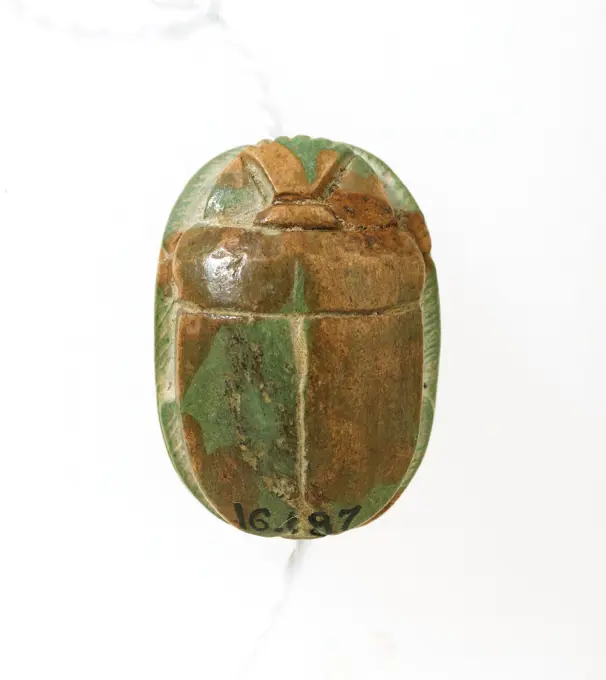
Scarab, 1786-1567 BCE, 5/8 x 7/8 in. (1.6 x 2.2 cm), glazed steatite, Egypt, 18th-16th century BCE
6145-29747480
Fragment of a terracotta kylix (drinking cup) ca. 475 B.C. Attributed to Douris Interior, upper body of a satyr holding a lyreReverse, legs of three figuresWhile satyrs often display uncivilized behavior, this individual sits wrapt as he plays the lyre. He is, indeed, far more Apollonian than Dionysiac.. Fragment of a terracotta kylix (drinking cup) 251254 : Attributed to Douris, Fragment of a terracotta kylix (drinking cup), ca. 475 B.C., Terracotta, Overall: 2 3/8 x 3 3/16in. (6 x 8.1cm). The Metropolitan Museum of Art, New York. Rogers Fund, 1922 (22.139.82)
6145-29161391
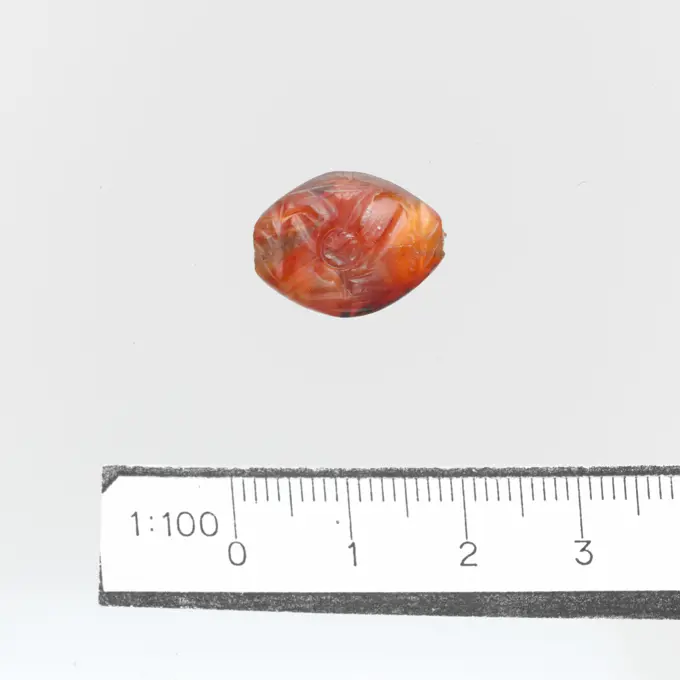
Seal Minoan, Crete. Seal 252166 Minoan, Crete, Seal, Carnelian, Other: 1/2 x 5/8 x 1/4 in. (1.2 x 1.7 x 0.7 cm). The Metropolitan Museum of Art, New York. Bequest of Richard B. Seager, 1926 (26.31.215)
6145-46522837
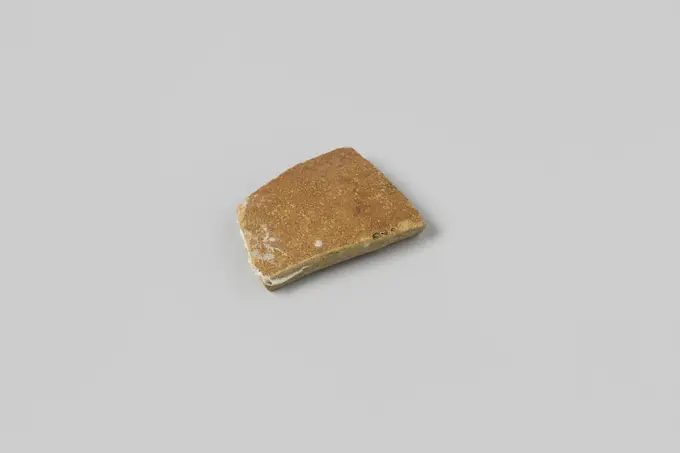
Shard from one can be from the wreck of the East Indiesman Hollandia. Stoneware, rhenish, frechen-ware, jug; Fragm or body.
4443-19546970
Bean, Tropical bean (Entada scandens), metal, Circular, with flat top, assembled from a hollowed out tropical bean pod, the top of which is capped with a scalloped metal collar, over which a flat, hinged lid is attached. On front and reverse of collar small oval strikers are attached horizontally. Slight indentation in center of seed where a small, unadorned, metal shield is attached., probably England, late 19th century, containers, Decorative Arts, Matchsafe, Matchsafe
6145-29151471
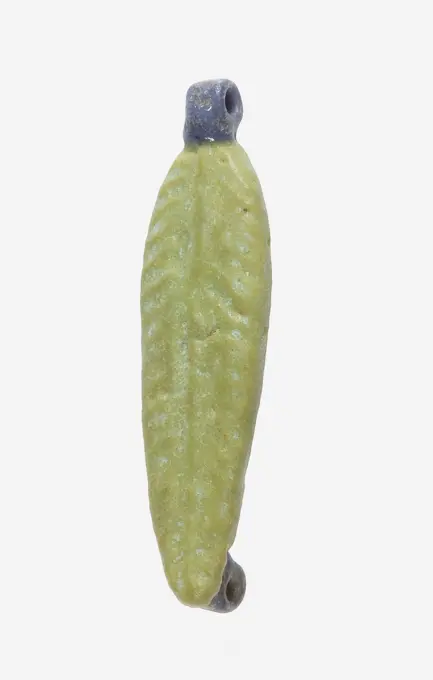
Leaf Pendant ca. 1390-1353 B.C. New Kingdom. Leaf Pendant. ca. 1390-1353 B.C.. Faience. New Kingdom. From Egypt, Upper Egypt, Thebes, Malqata, Palace of Amenhotep III, MMA excavations, 1910-11. Dynasty 18
6145-59068754
Bake  cylindrical from the scenes presentation; Unknown Akadian workshop, Martati; XXIII - XXII century BC; Akadian period (-2400-00-00--2101-00-00);Działyńska, Izabela (1830-1899), Działyńska, Izabela Elżbieta née Czartoryski (1830-1899)-collection, Mardadi (Mar-Da-Di), cylindrical seals, presentation scenes
6188-55476209
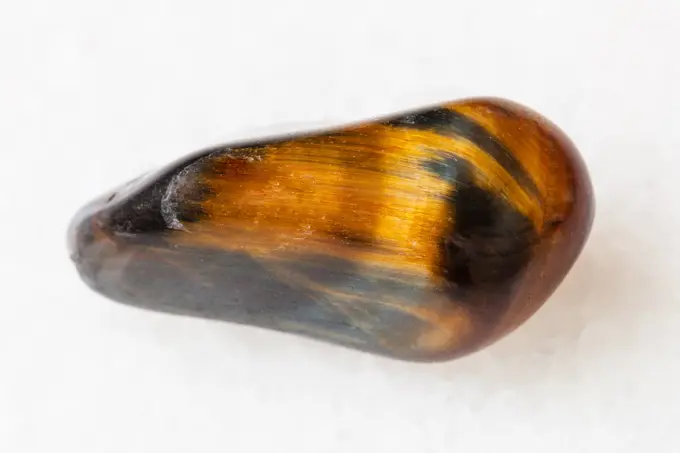
tumbled tiger s eye and hawk s eye gemstone macro shooting of natural mineral rock specimen - tumbled tiger s eye and hawk s eye gemstone on white marble background from South Africa Copyright: xZoonar.com/ValeryxVoennyyx 11950010
6145-45506706
Bliżej Kultury
6145-46801320
Pair ofbuttons.   Maker: W. I., active ca. 1765 - 1785Maker, possibly by: William Jones, American, 1694-1730
6145-29153780
Flower-Shaped Plaque mid-7th-9th century Northwest China/Eastern Central Asia. Flower-Shaped Plaque. Northwest China/Eastern Central Asia. mid-7th-9th century. Gold. period of Tibetan rule. Metalwork
4443-19585973
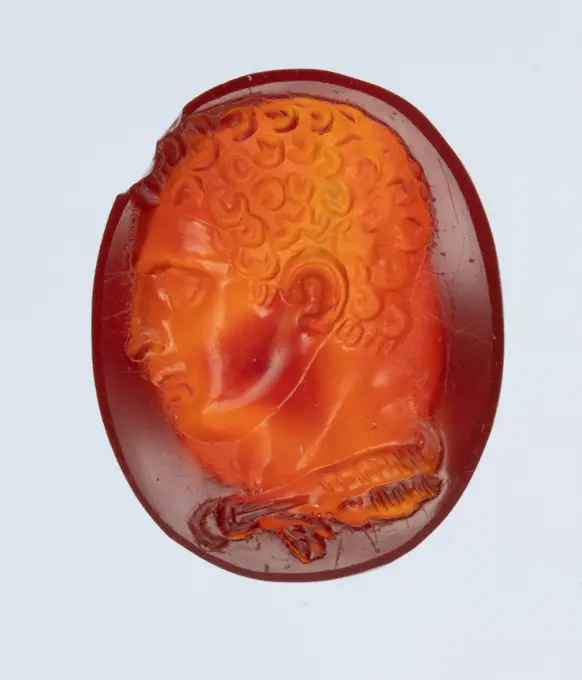
Gemstone, 1st century B.C.-2nd century A.D., Carnelian, 1 × 0.8 × 0.1 cm (3/8 × 5/16 × 1/16in.), Roman,Tunisian, Roman, Jewelry
6188-64549016
Kürbiskerne Kürbiskerne Copyright: xZoonar.com/lantapixx 1060633
4409-17547090
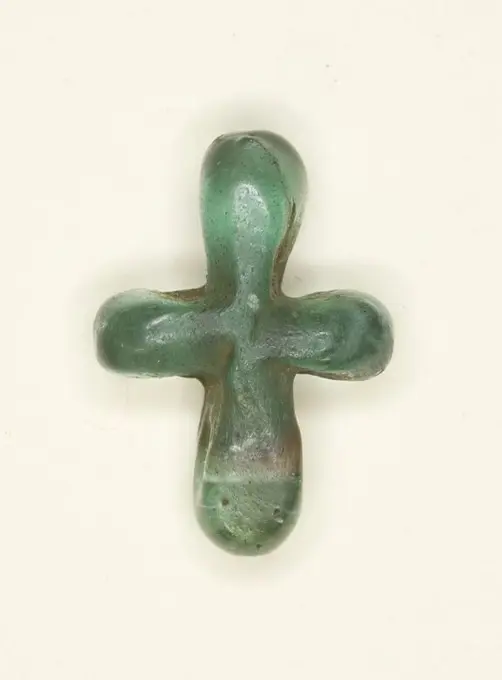
Amulet of a Cross. Byzantine. Date: 301 AD-600 AD. Dimensions: 2 × 1.5 × .5 cm (3/4 × 9/16 × 3/16 in.). Glass. Origin: Egypt. Museum: The Chicago Art Institute, Chicago, USA.
6145-58864697
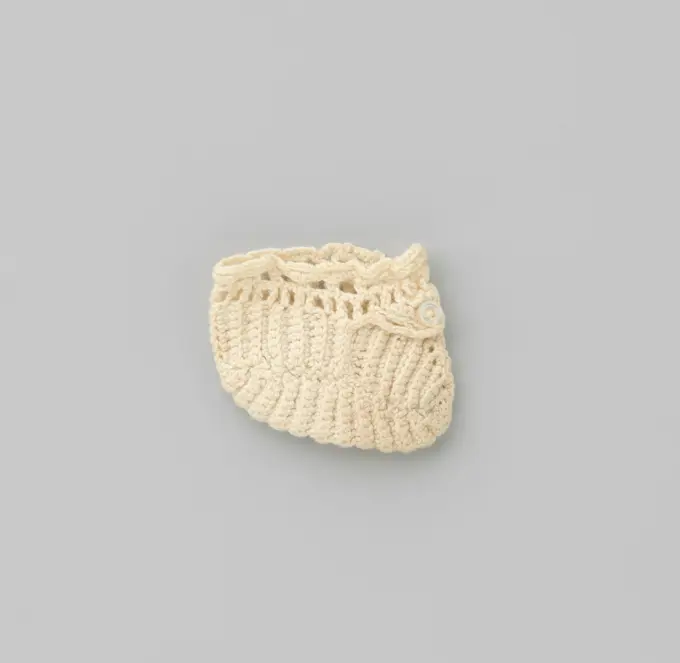
White crocheted sock with mother -of -pearl button, anonymous, c. 1850 - c. 1920  Netherlands textile materials crocheting  Netherlands textile materials crocheting
6188-55589502
Dollar coins 1 cent - vintage Dollar coins 1 cent currency of the United States - vintage sepia look Copyright: xZoonar.com/ClaudioxDiviziax 9167718
6145-29754369
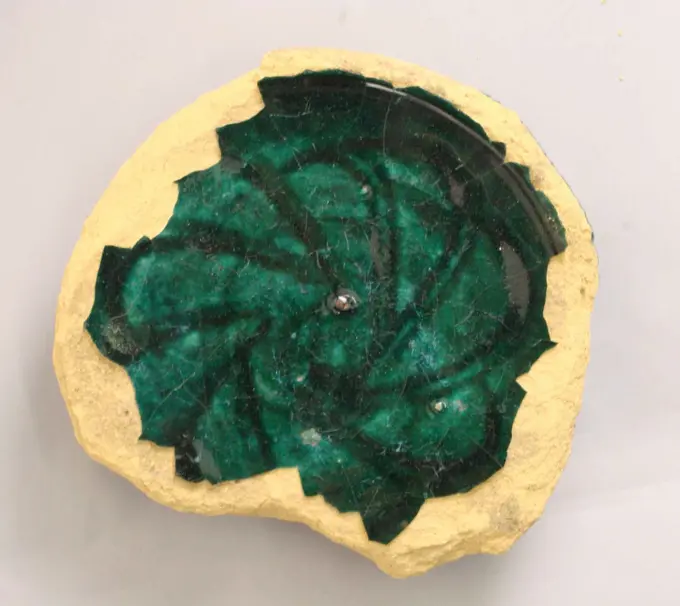
Fragment of a Bowl 13th-14th century. Fragment of a Bowl 445416
6145-45488977
Bliżej Kultury
4409-17502473
Covered Box. Culture: Japan. Dimensions: H. (with cover) 1 1/2 in. (3.8 cm); Diam. 2 3/4 in. (7 cm). Date: 19th century. Museum: Metropolitan Museum of Art, New York, USA.
1525-20654152
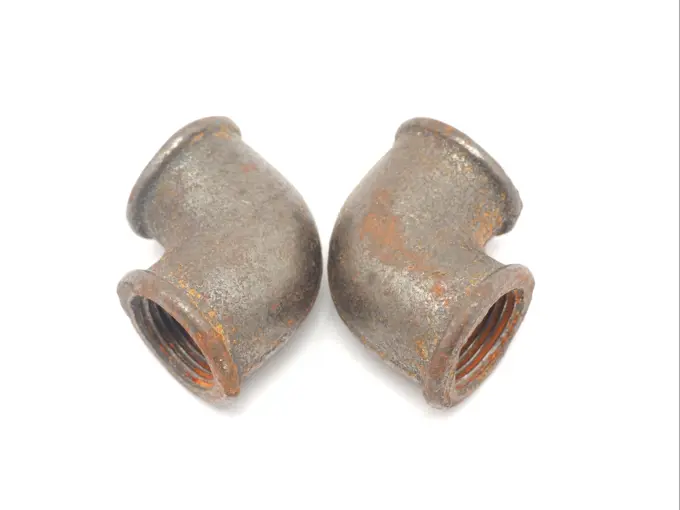
Area metal pipe on a white background
4443-28744120
One of twenty-one seals, 800 BCE - 400 CE, various, Various semi-precious stones, Mesopotamia, 8th century BCE - 5th century CE
6145-45543267
Sealing piston
6145-29821915
Statuette of a snake Roman. Statuette of a snake 256663
6145-29142996
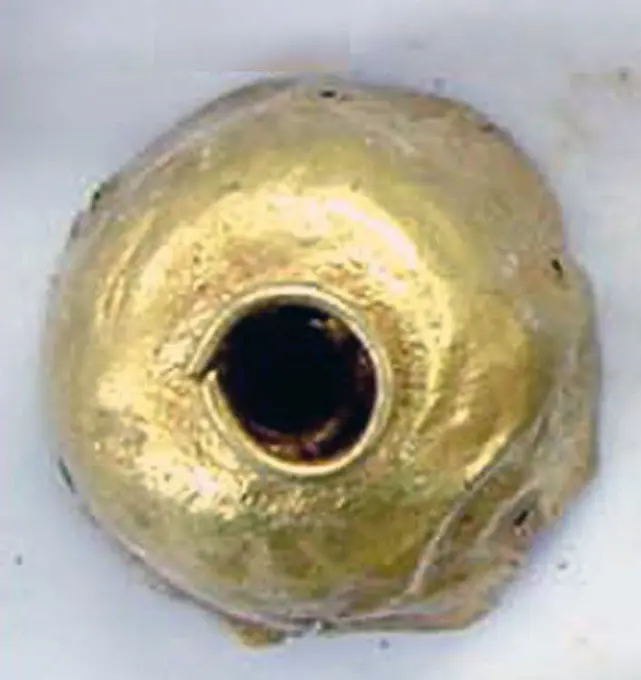
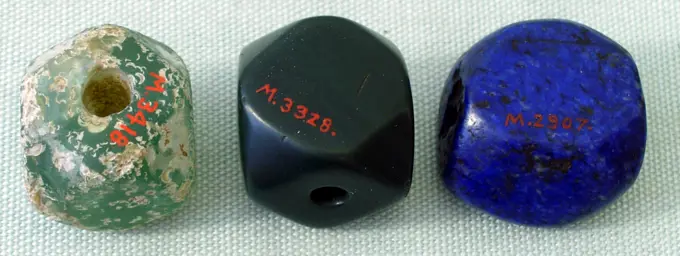
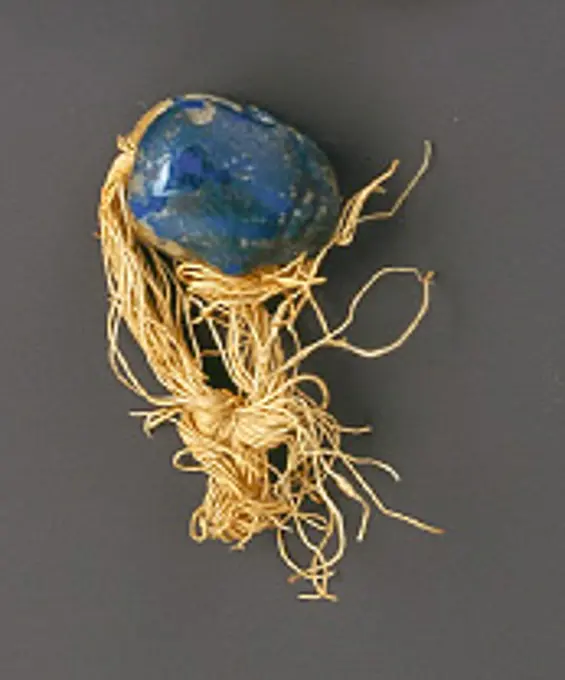
Bead 9th-12th century. Bead. 9th-12th century. Glass. Country of Origin Egypt possibly. Jewelry
6145-29728735
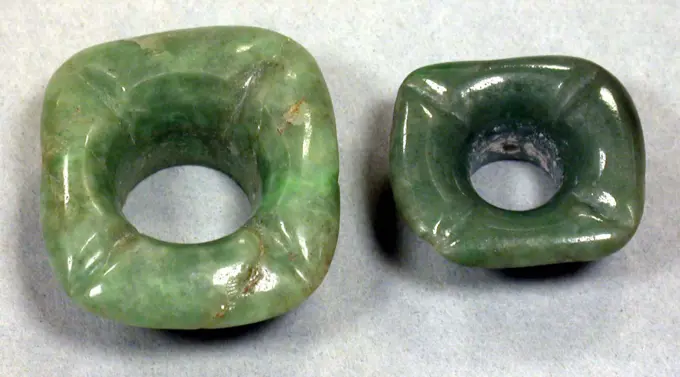
Earflare Set 3rd-9th century Maya These two nesting ornaments represent one half of a pair of earflares (see 1994.35.591 for the mate). Set into a wide perforation in the wearers earlobe (as earspools are today), these ornaments would have been anchored in place in various ways. In some cases, a bead (or beads) were set into the front of the earflare, anchoring it with the help of a set of beaded counterweights that were threaded through the earflare and hung behind the earlobe. Another possibility is that an L-shaped plug (likely made of wood) was fitted through the earflares central opening, or stem, from the back, holding the entire assemblage in place, snug against the wearers ear.The smaller, deeper green insert fits perfectly inside the lighter green, larger earflare. Two sets of holes were drilled through the shafts of each nested pair, possibly so thread or string could be used to lash them together. Compared to other jade earflares found in the Maya world, these are relativ
6188-63381729
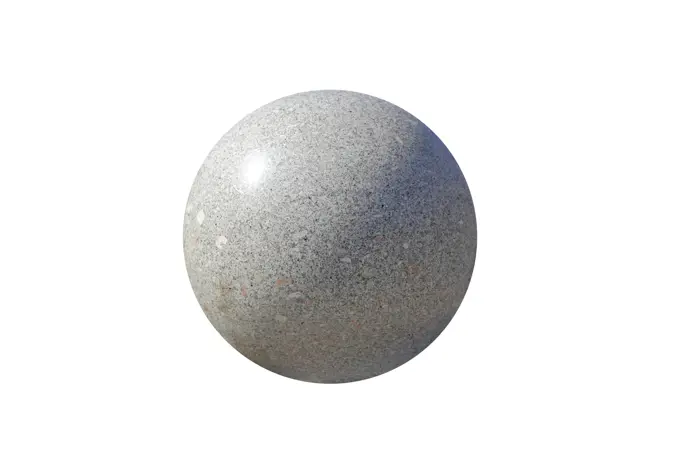
Grey granite spheres isolated on a white background Grey granite spheres isolated on a white background Copyright: xZoonar.com/aarrowsx 5092452
1525-25314117
Electric shaver
6145-29138616
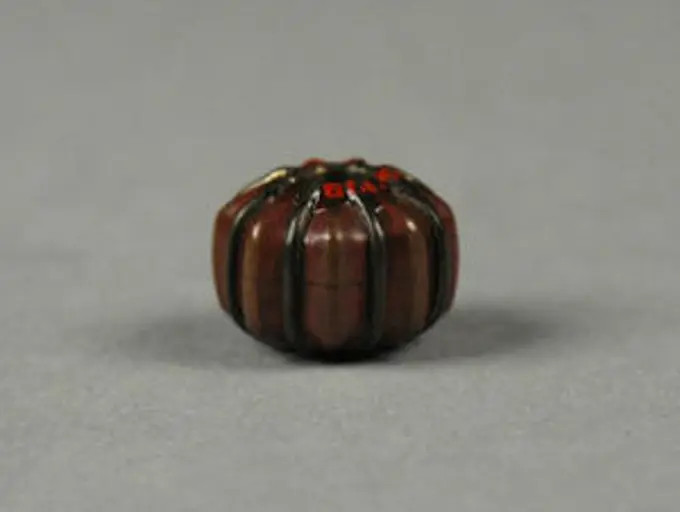
Ojime in the Shape of a Melon 19th century Japan. Ojime in the Shape of a Melon. Japan. 19th century. Metalwork. Edo period (1615-1868). Ojime
4409-17416602
Glass mosaic handle fragment. Culture: Roman, probably northern Italian. Dimensions: H.: 15/16 x 1 in. (2.4 x 2.6 cm). Date: Early 1st century A.D..Handle in translucent purple and opaque white; body in translucent pale purple.Thick, straight strap handle tooled into three rounded ribs, with slight projection at bottom below horizontal tooled indent, attached to side of body.Mosaic pattern of irregular stripes in purple and white.Polished interior of handle; pitting of surface bubbles on interior; dulling, faint iridescent weathering, and soil encrustation on sides and exterior of handle and on interior of body.The handle belongs to a type of marbled blown glass ewer (olpa), found principally in northern Italy. Museum: Metropolitan Museum of Art, New York, USA.
1525-19833963
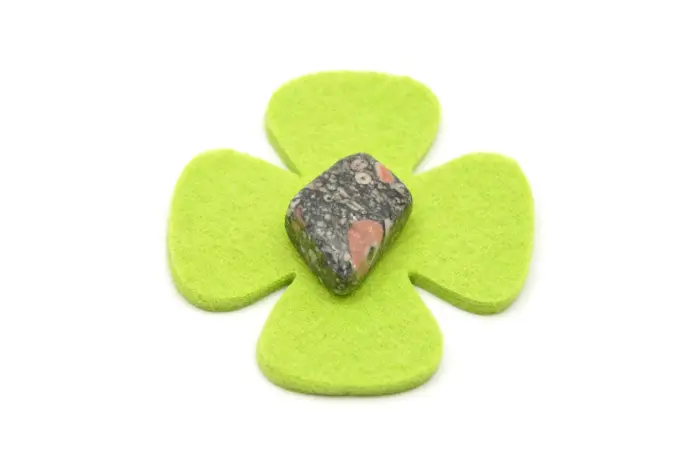
Leopard jasper on felt
6188-62359745
Beautiful toy in the form of mushroom, isolated on white background Beautiful toy in the form of mushroom, isolated on white background Copyright: xZoonar.com/OleksandrxKostiuchenkox 8911531
1899-18611443
Nariño culture. Snail shaped musical instrument. Painted ceramic. Integration period (800-1500 AD). Colombia (). Museum of the Americas. Madrid, Spain.
6188-54899306
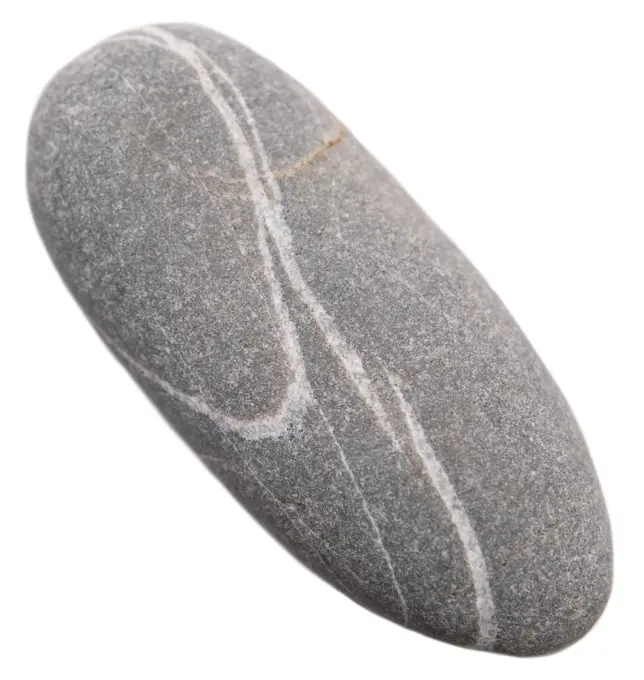
one stone one stone isolated on white background Copyright: xZoonar.com/RuslanxNassyrovx 6510507
6145-29706548
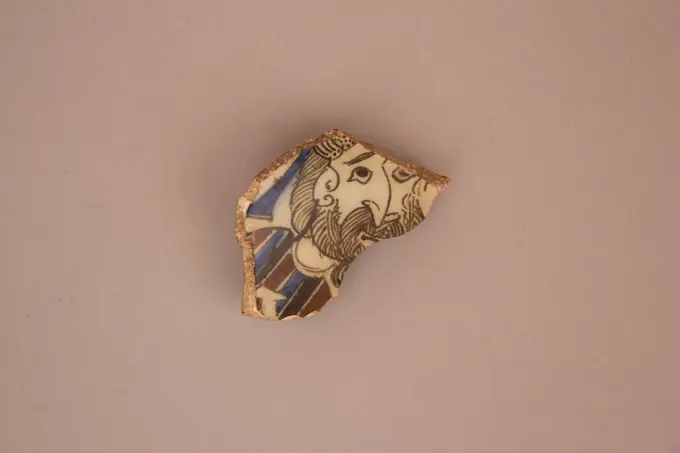
Fragment of an Open Vessel 13th century This fragment with unknown provenance was sampled to conduct neutron-activation analysis, which determined that the piece was manufactured at an unknown Syrian site. Similar polychrome underglaze-painted pieces are often called "Rusafa" (or "Resafa") ware, from a site in the Syrian Jazira (north-east Syria) from which some of them came into Western collections in the early twentieth century. However, archaeological investigations of the last hundred years have shown that similar wares were produced in different centers in northern Jazira, Syria, and Egypt, and serve as evidence for shared techniques and a common visual language that transcended political and dynastic boundaries.The fragment depicts a bearded man with a turban wearing a striped robe.. Fragment of an Open Vessel. 13th century. Composite body; underglaze painted. Attributed to probably Syria. Ceramics
6145-59545038
Ivory box for two Our Father Miniature Fends ,, c. 1600 - c. 1750 history medal Small ivory cylindrical box and screw lid. Germany ivory
1525-27673613
Backgrounds and textures: rusty screw in old weathered wooden plank. Rusty screw in old wooden plank
6145-29157677
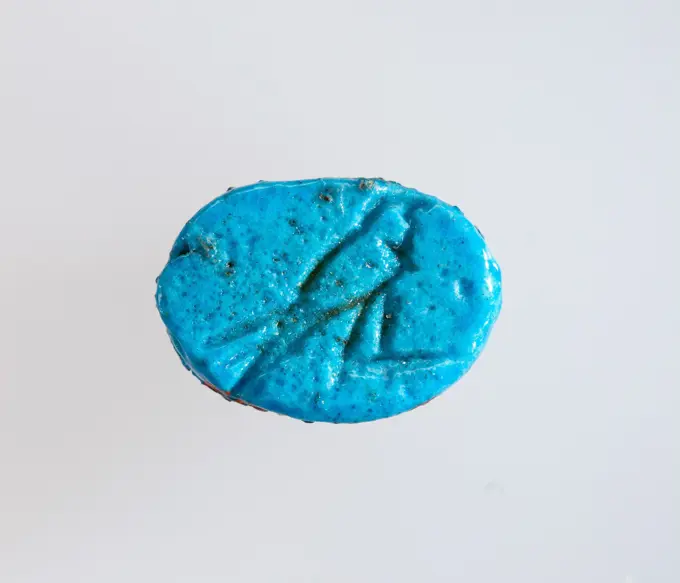
Scarab ca. 1479-1458 B.C. New Kingdom. Scarab. ca. 1479-1458 B.C.. Faience. New Kingdom. From Egypt, Upper Egypt, Thebes, Deir el-Bahri, Hatshepsut Hole, Hathor Shrine, MMA excavations, 1922-23. Dynasty 18
6145-29740072
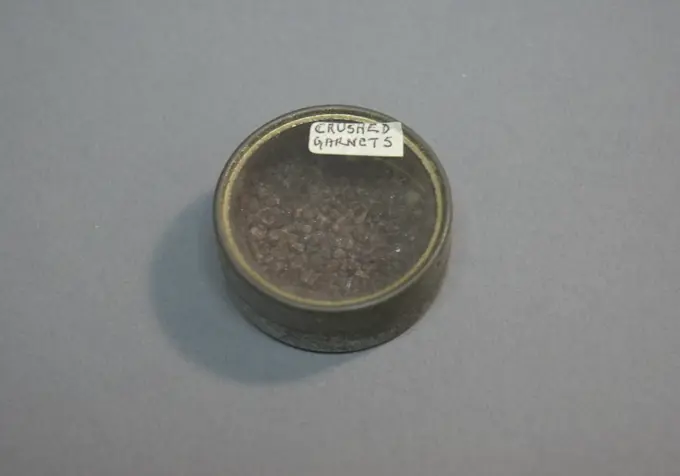
Container of Crushed Garnets 20th century China. Container of Crushed Garnets 62106
6145-45399156
Byk
6188-62295890
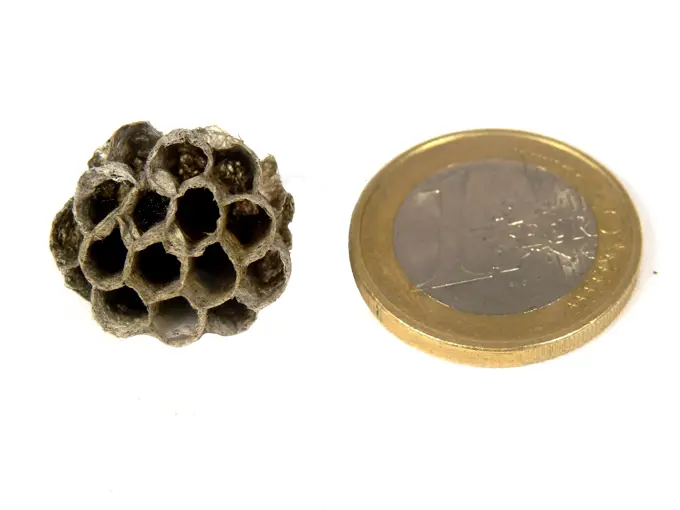
Abandoned wasp nest Close up of a small wasp nest sat next to a one Euro coin to give an indication of size Copyright: xZoonar.com/StephenxFarhallx 9847546
4332-3331
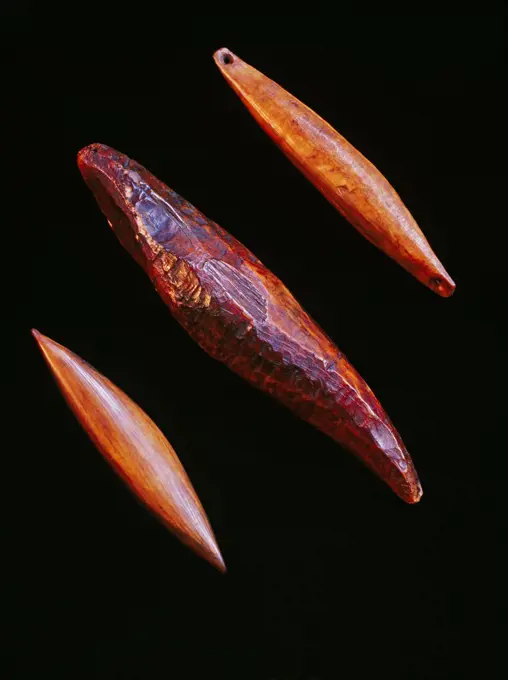
USA, Alaska, St. Lawrence Island, Ancient ivory fishing net weights
1525-19794967
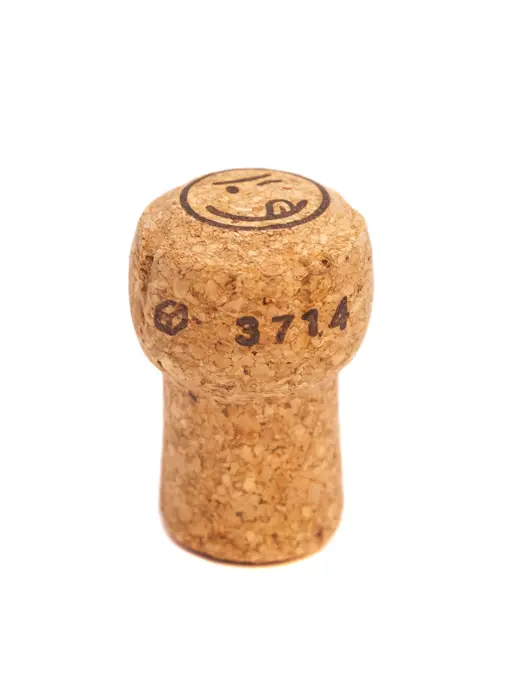
Wine cork isolated on white
6145-29193455
Scarab of Wah ca. 1981-1975 B.C. Middle Kingdom This scarab ring and three scarab bracelets (40.3.12-.14) were found in the wrappings over Wah's crossed wrists. In Wah's time, the scarab was a relatively new invention having been developed only about a century earlier, sometime in the middle of the First Intermediate Period (about. 2100-2030 B.C.). The amulet is shaped like a dung beetle, scarabaeus sacer, which is also the source of its modern name.The dung beetle was "kheperer" in ancient Egyptian. Having watched the small creatures push huge balls of dung, the ancient Egyptians imagined the sun being pushed into the sky at dawn by a beetle, and they referred to the rising sun as "Kheperi." The word for "to become" or "come into being" was "kheper," and the beetle hieroglyph was used to spell all of these words. As such, the scarab became a powerful amulet for rejuvenation in this life and reincarnation in the next.Some scarabs, like this one, are a simple oval shape with little or n
1525-56337699
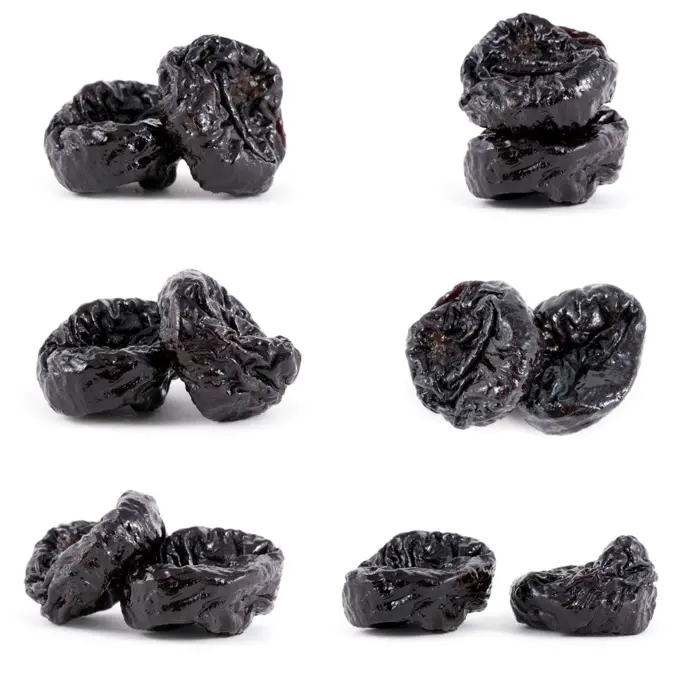
Prunes on a white background
6145-29193897
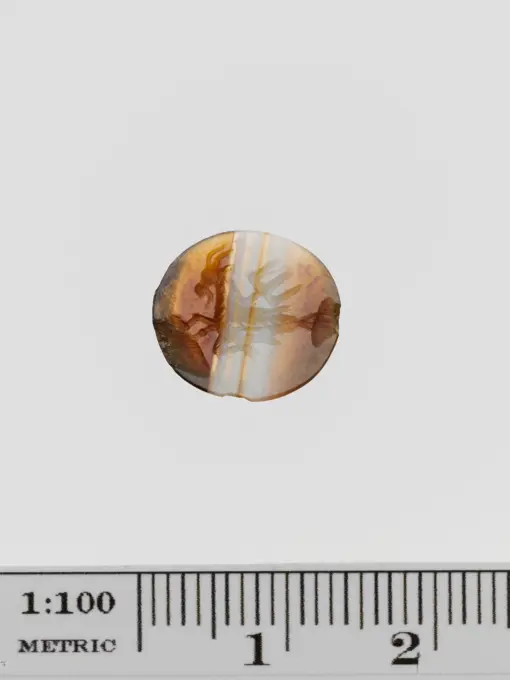
Agate ring stone ca. 1st century B.C.-3rd century A.D. Roman Capricorn, a trident in the field.. Agate ring stone. Roman. ca. 1st century B.C.-3rd century A.D.. Agate. Late Republican or Imperial. Gems
6145-59529971
Box Horning with a nickel medal, James Berry O.B.E., 1972 box A perspex box; In box: blue plastic plate with in the middle hole; On the top of picture inscription. Apia Perspex (TM).   Upolu. Savaii
6145-45817015
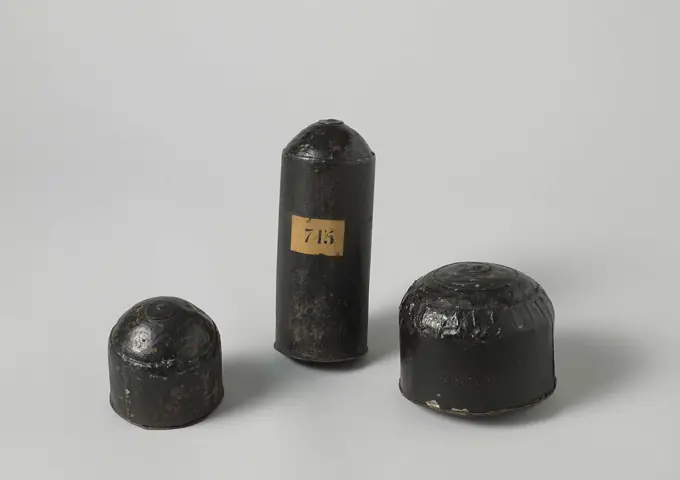
Model of a Metal cartridge. Empty cylinder-shaped cardus, painted black. The back is made of beaten copper and spherical; The sides and the flat front on the side of the bullet are canned.
6188-55546247
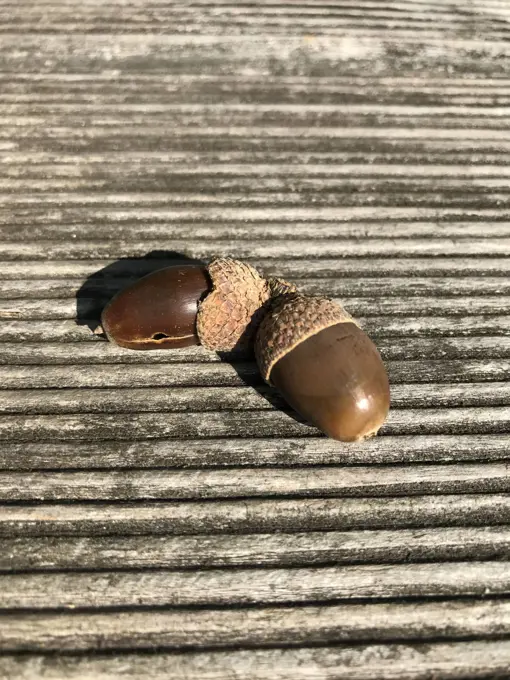
Eyles are two acorns in the sun on a bridge copyright: xzoonar.com/andreasxnaumannx 9686823
6145-29195026
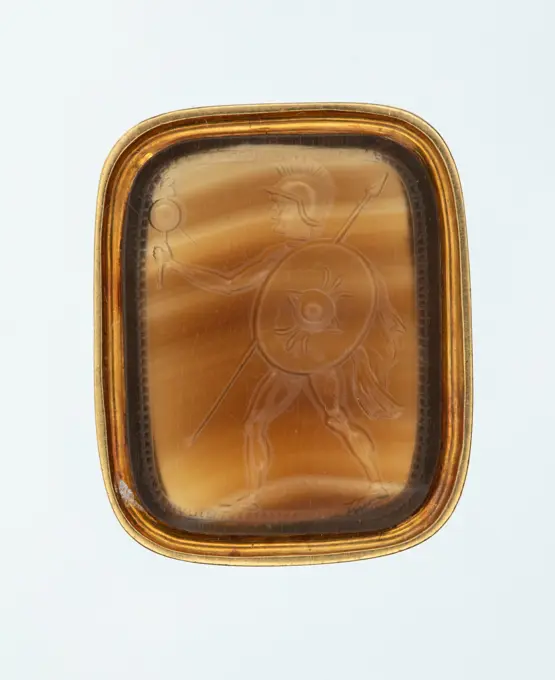
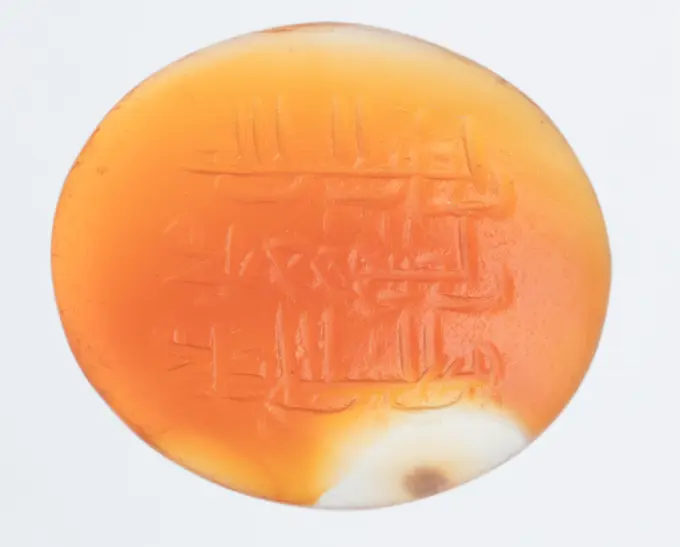
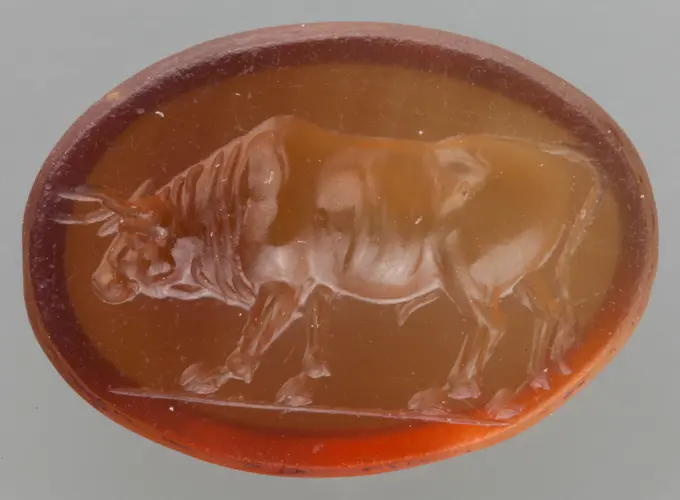
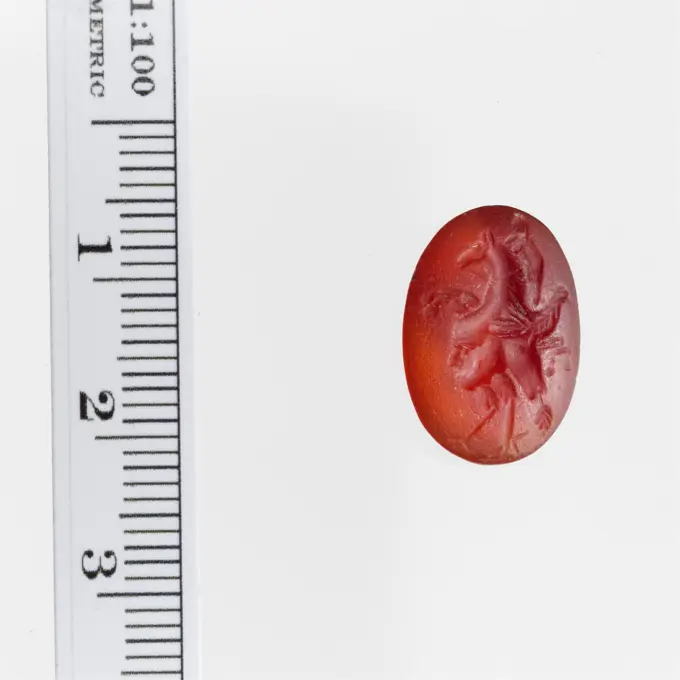
Carnelian ring stone 2nd century B.C.-3rd century A.D. Roman gryllosFanciful combinations of various human and animal heads, sometimes with the addition of other elements, are generally called grylloi. These fantastic devices were more than mere artists' fancies and were worn by the ancient Romans for their supposed efficacy in averting the evil eye.. Carnelian ring stone 253798 Roman, Carnelian ring stone, 2nd century B.C.3rd century A.D., Carnelian, Length: 5/8 in. (1.6 cm). The Metropolitan Museum of Art, New York. Bequest of W. Gedney Beatty, 1941 (41.160.655)
4409-64222616
prehistoric vegetal mat, Moro de Alins Cave, Azanui, Huesca museum, Aragon community, Spain.
6145-45539842
Bliżej Kultury
1848-50872195
Dandelion (Taraxacum sect. Ruderalia ), Flower basket, Germany, Europe
6145-58862521
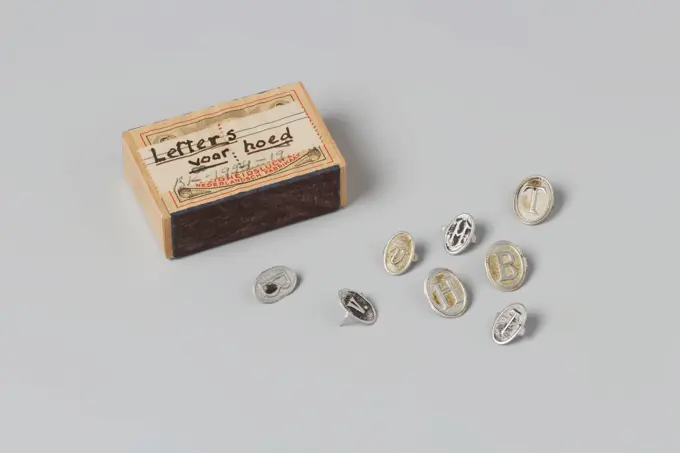
Letters of Blik to clamp in a hat edge, eight pieces in a matchbox, anonymous, c. 1900 - c. 1950 Letters of Blik to clamp in a hat edge, eight pieces in a matchbox (h, h, t, t, v, v, b, b). Netherlands letters: tin plate. luciferdoosje: paper. luciferdoosje: cardboard striking (metalworking) Letters of Blik to clamp in a hat edge, eight pieces in a matchbox (h, h, t, t, v, v, b, b). Netherlands letters: tin plate. luciferdoosje: paper. luciferdoosje: cardboard striking (metalworking)
6145-30176468
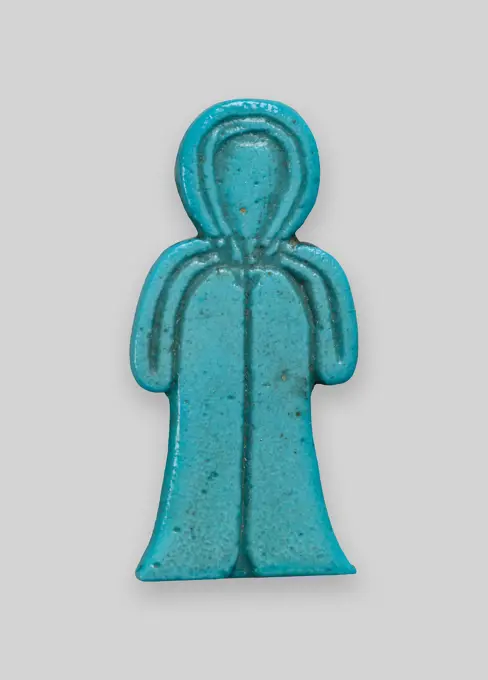
Amulet of Tyet (Isis Knot) 664 BCE-525 BCE Egypt. Known in Egyptian as tyet, this type of amulet is thought to represent a folded piece of cloth associated with Isis. It was frequently placed at the neck of the mummy.. Faience . Ancient Egyptian
1525R-11123879
art set of vintage frame lable
PREVIOUS
of 3
NEXT
2401 S. Ervay, Suite 206
Dallas, Texas 75215
United States
Browse
CategoriesGalleriesFree Research
For Creators
License Your ContentSuperStock For StudentsFrame of Mind BlogContributor PortalNew Image SpotlightLicense AI Imagery
Resources
About UsLicensingTerms & ConditionsAPI AccessPrivacyPricing
Contact
+1 866 236 0087help@superstock.com Contact form
©2026 SuperStock. All Rights Reserved. -A
This site is protected by reCAPTCHA and Google Privacy Policy and Terms of Service apply.