Architectural Sculpture Documentation

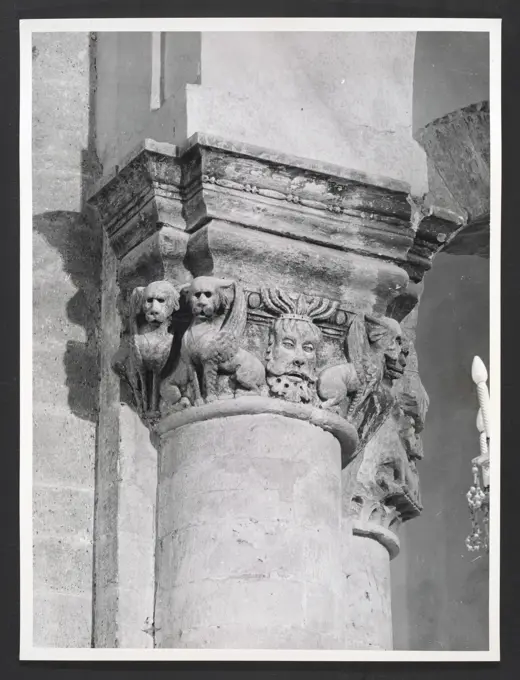
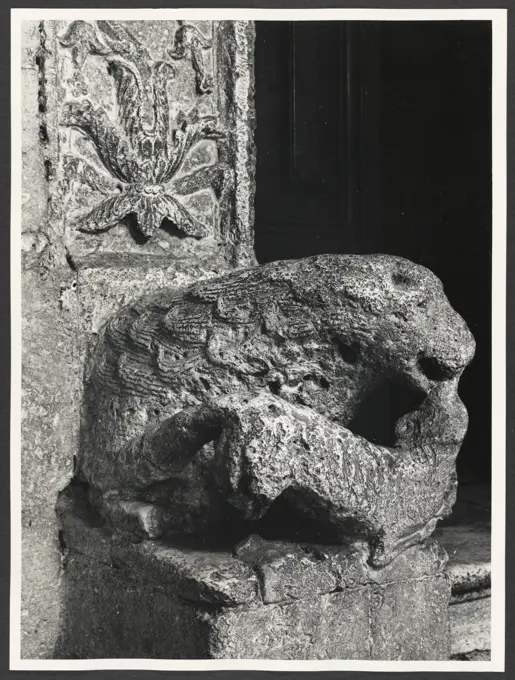
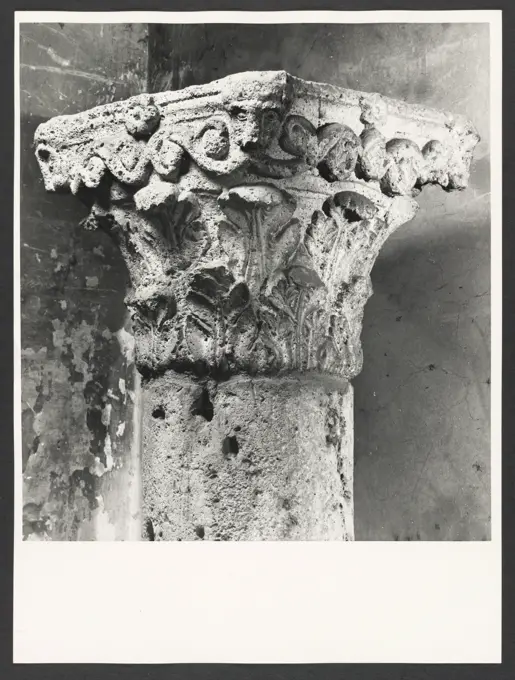
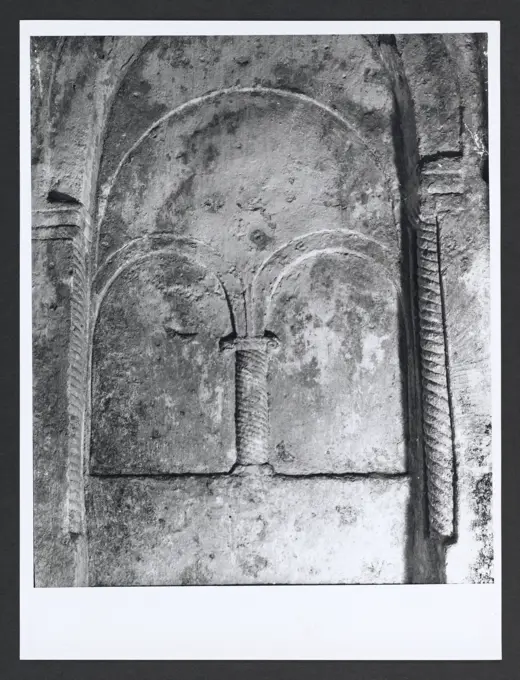
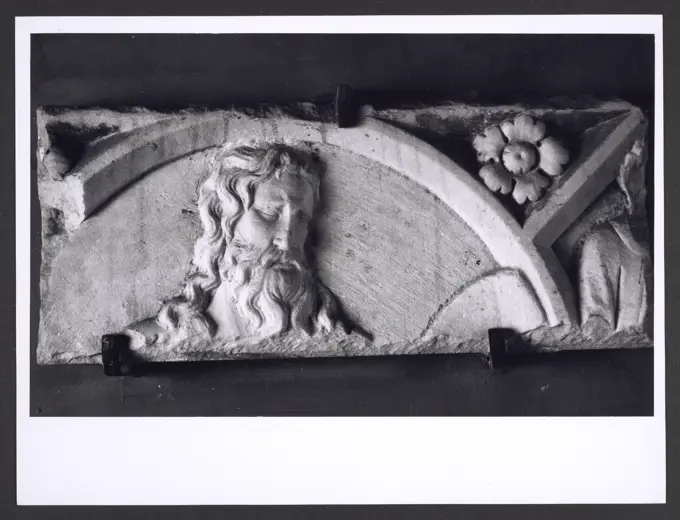
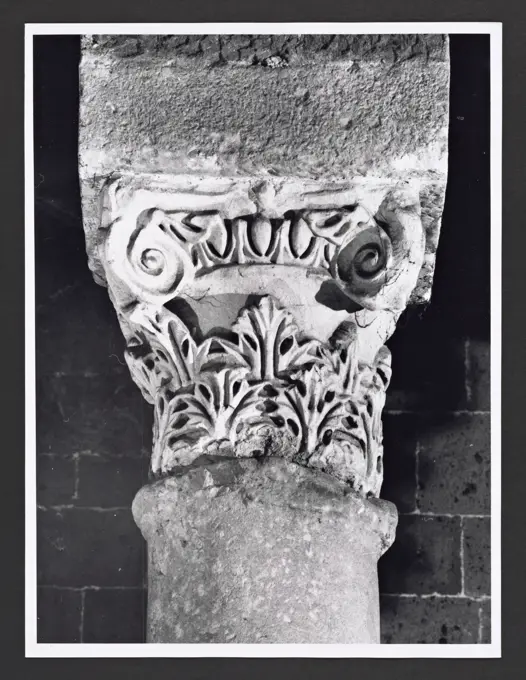
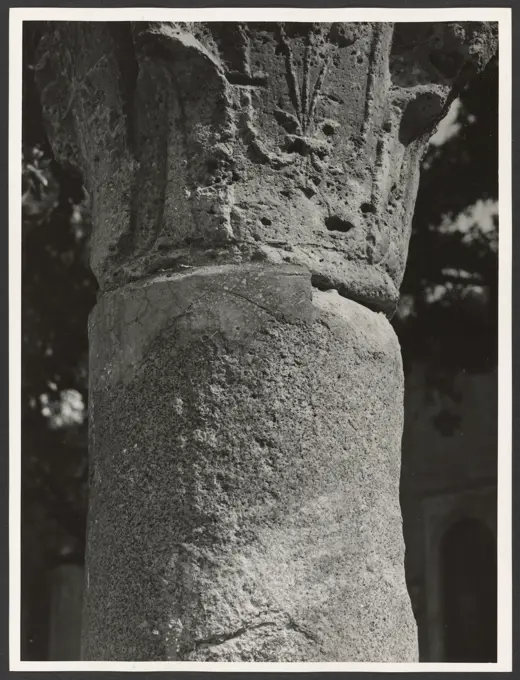
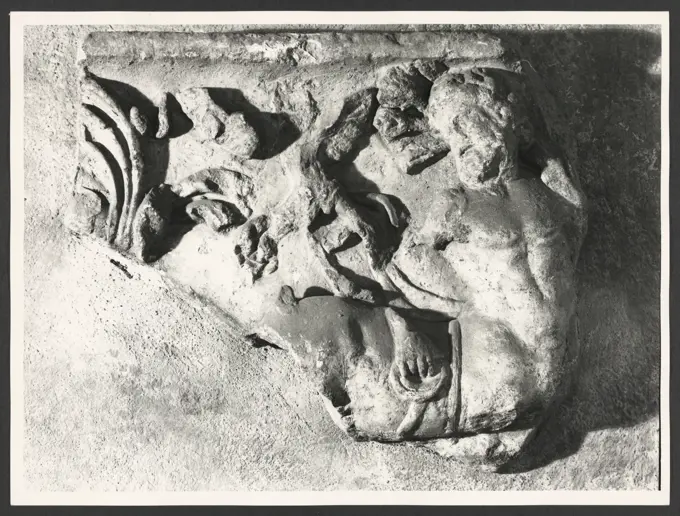
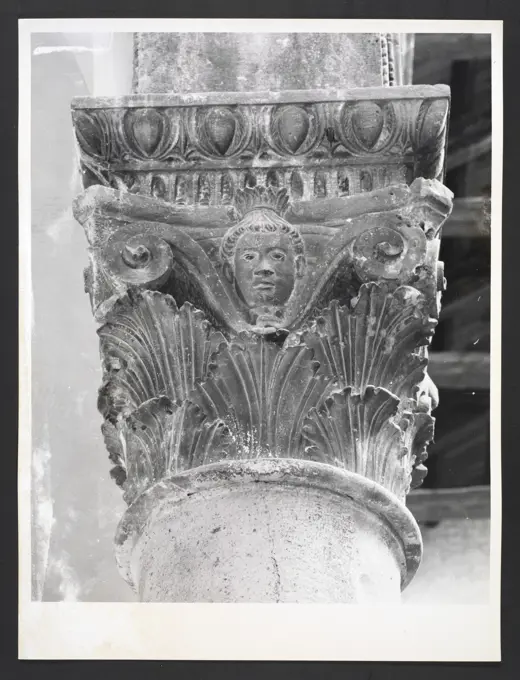
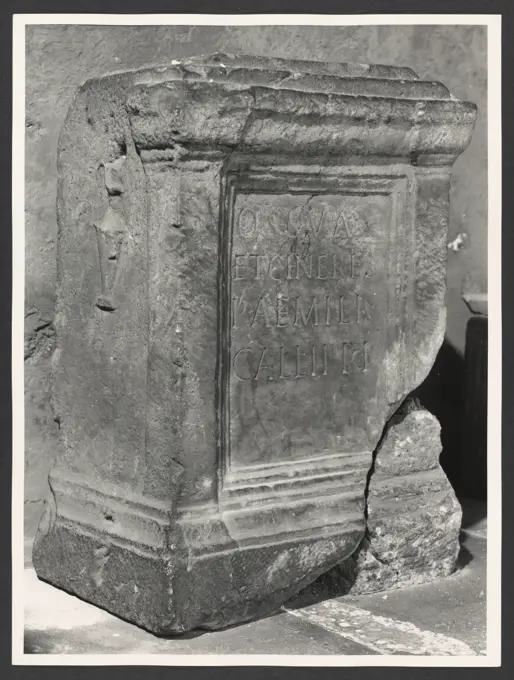
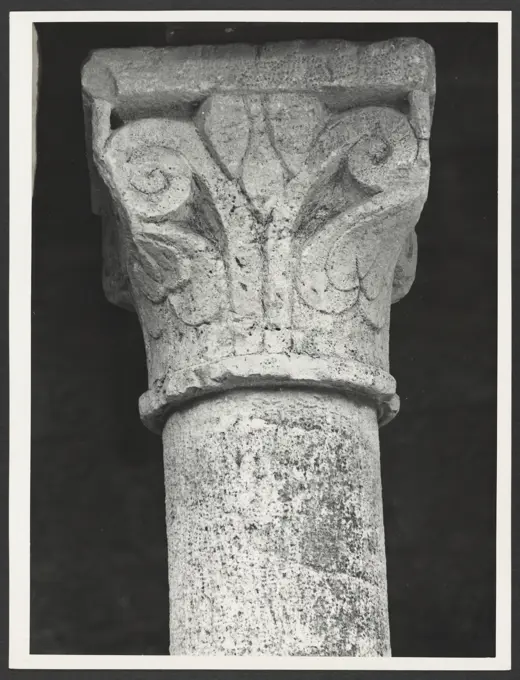
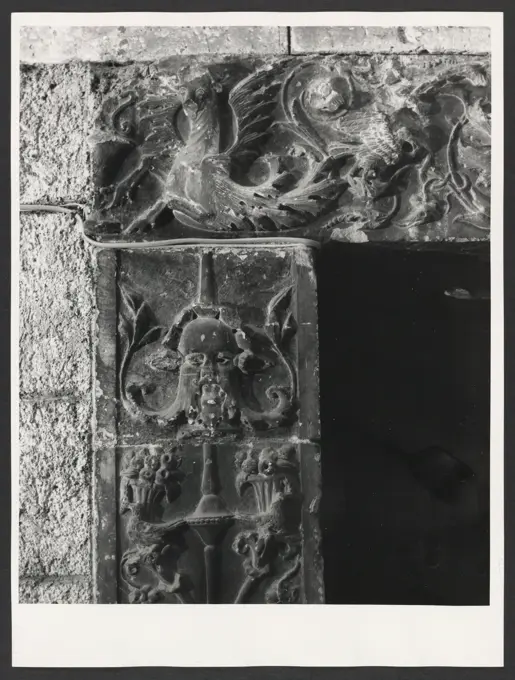
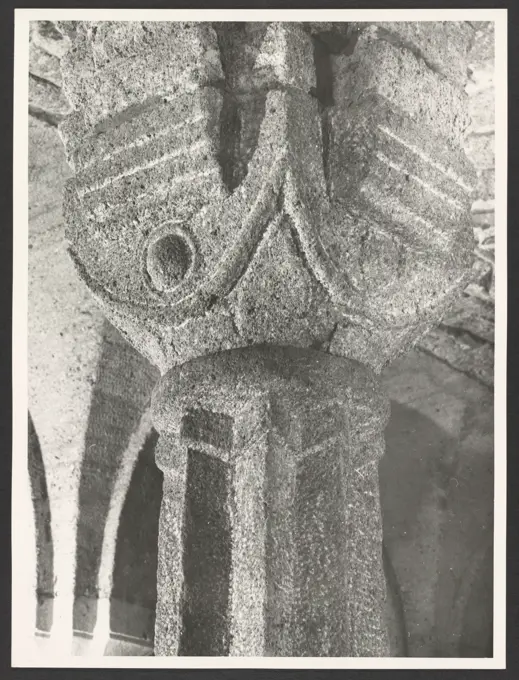
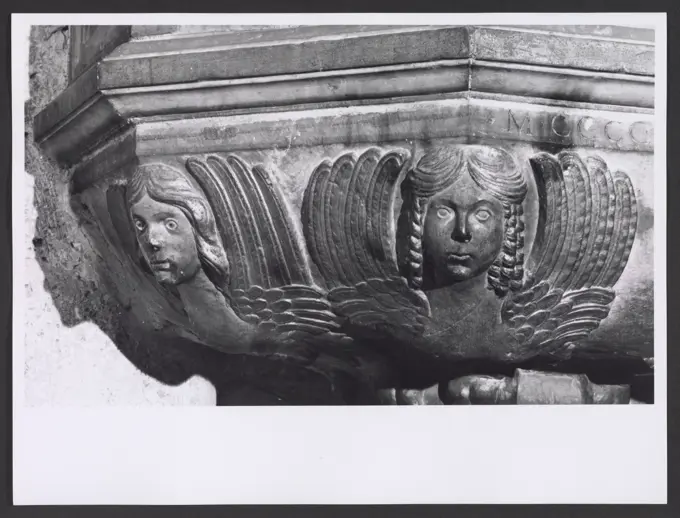
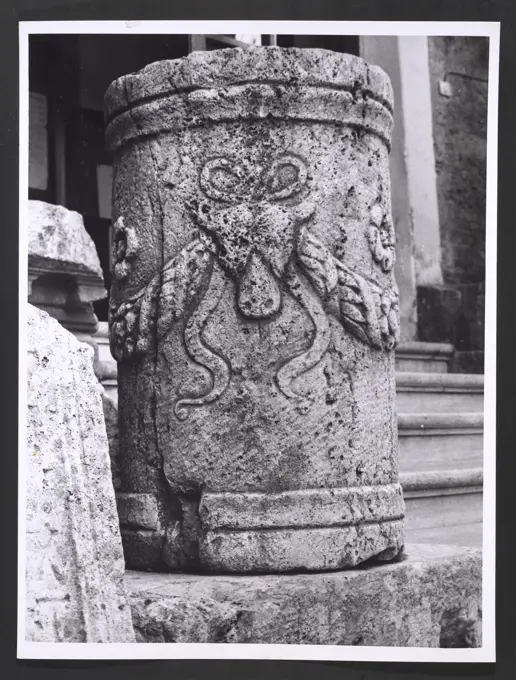
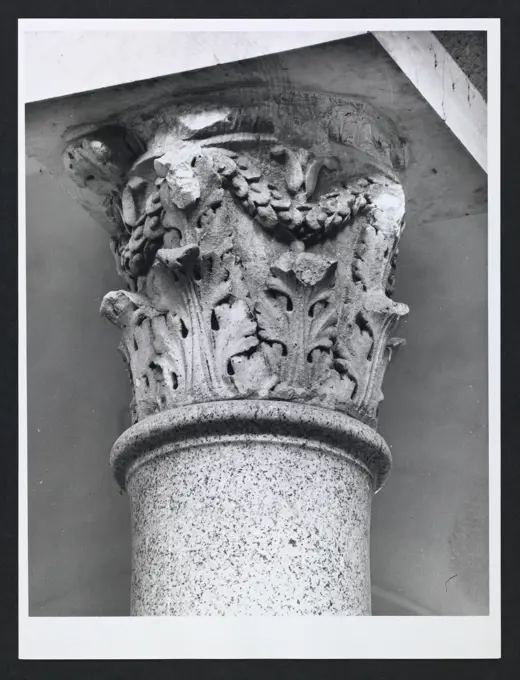
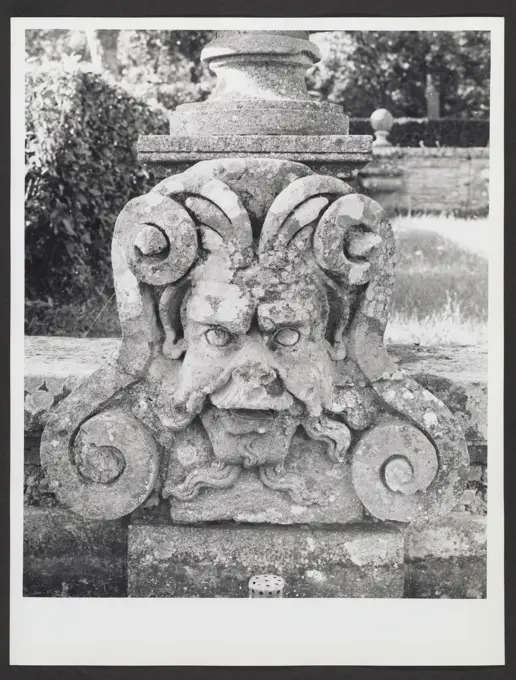
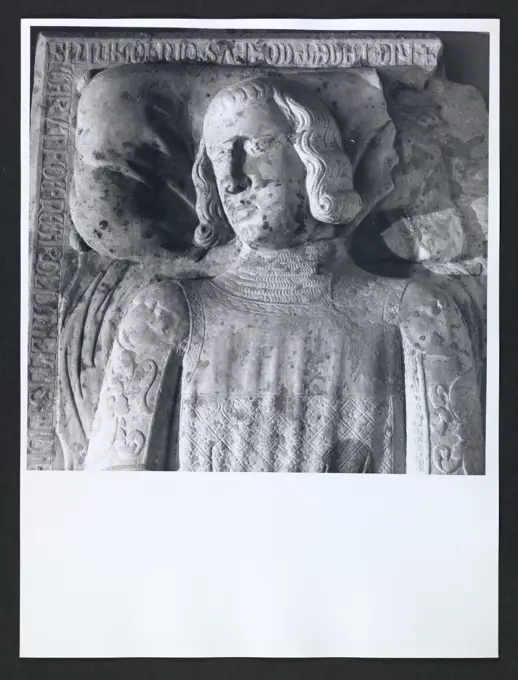
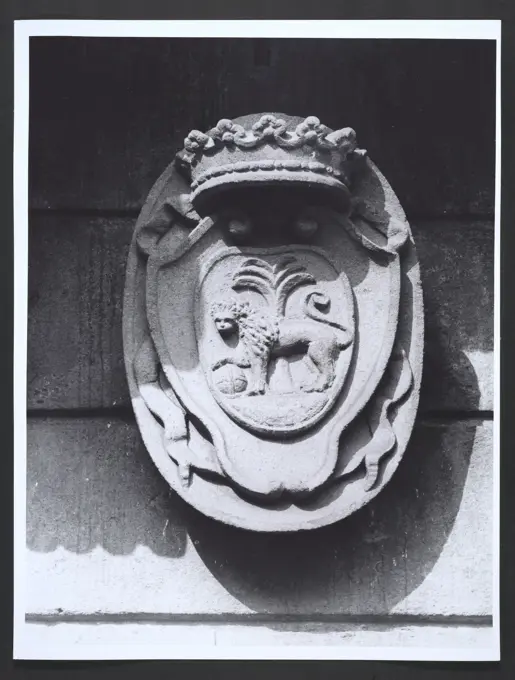
Photographic documentation of architectural details and sculptures from medieval churches in Italy, illustrating intricate carvings and historical significance.
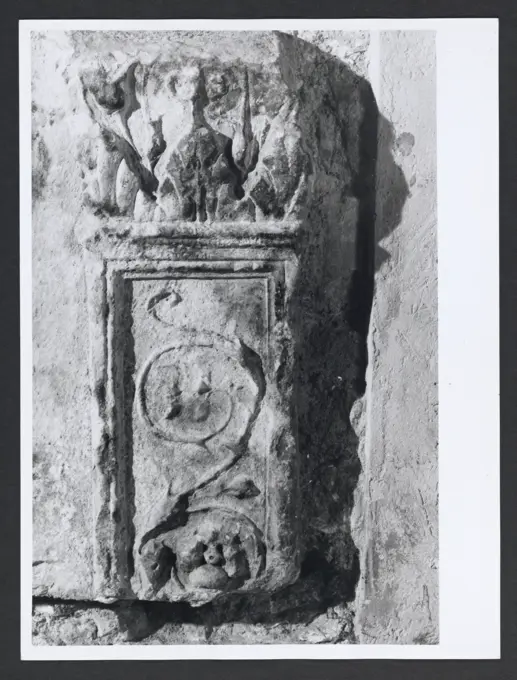
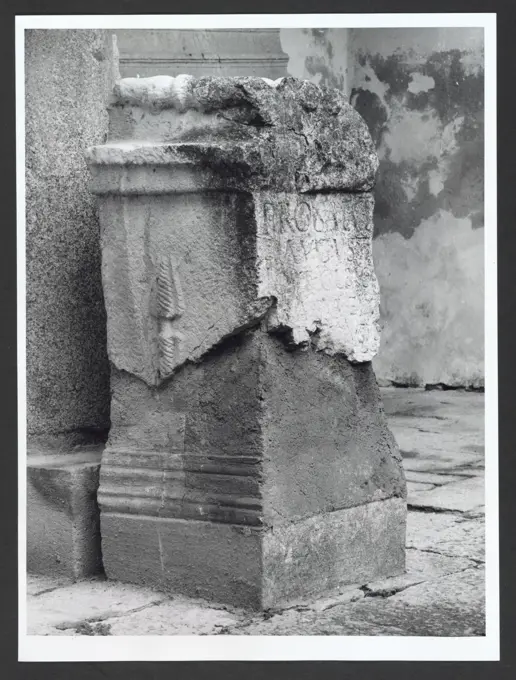
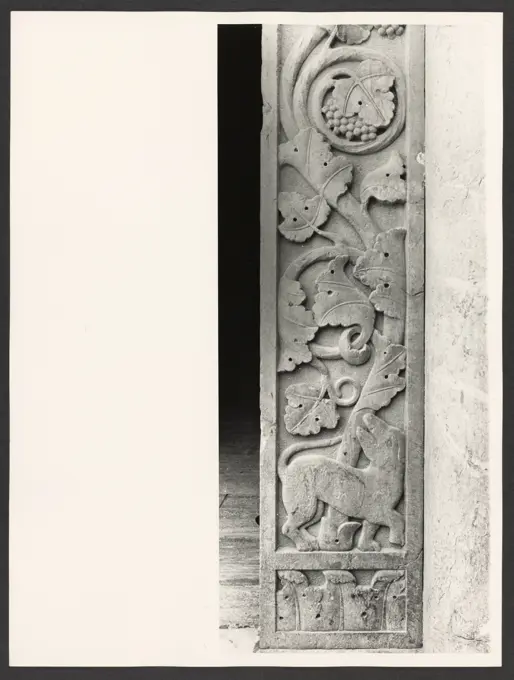
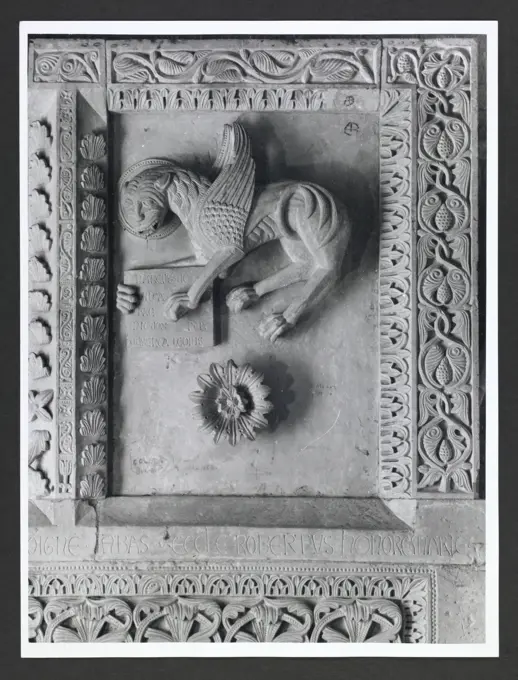
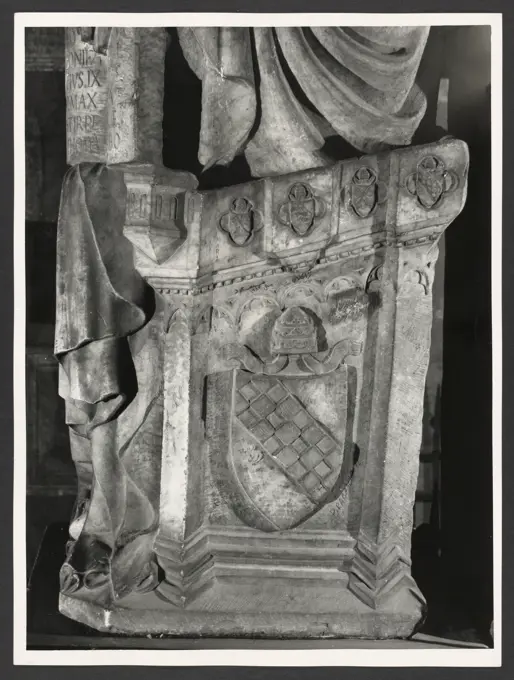
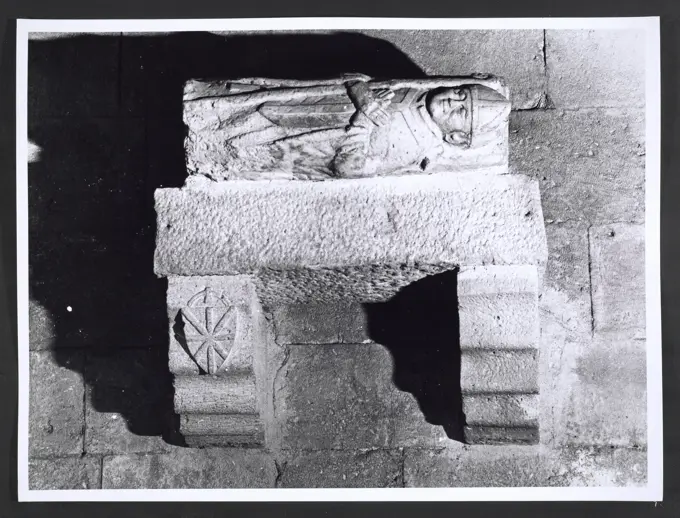
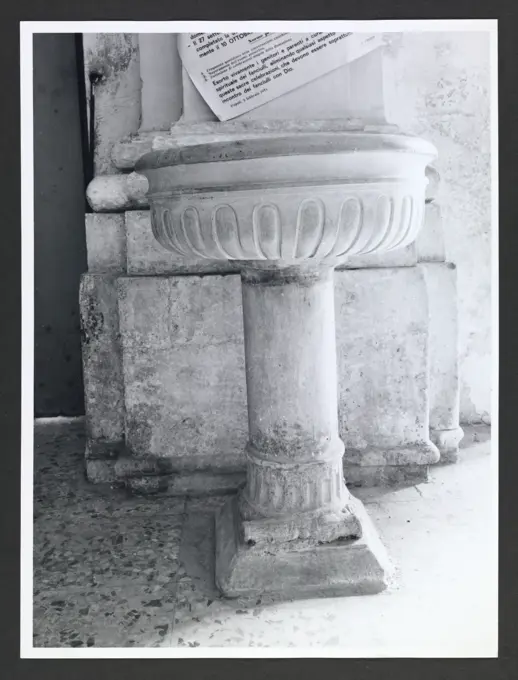
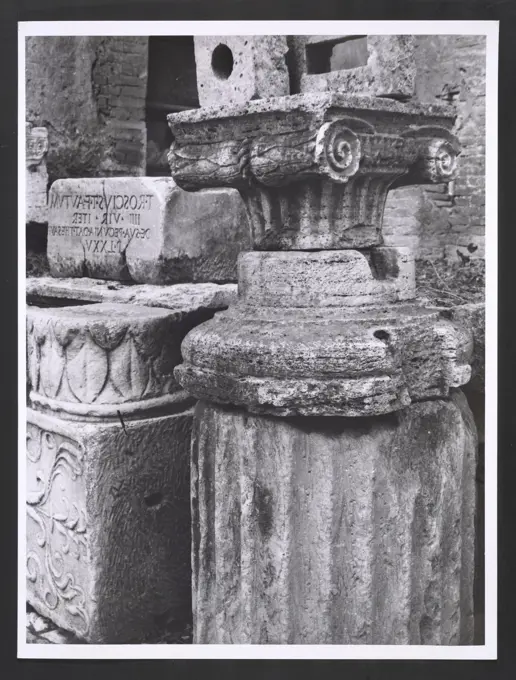
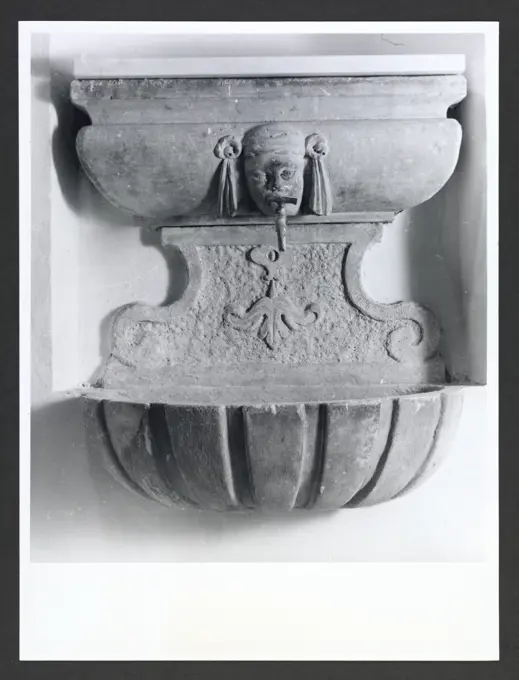
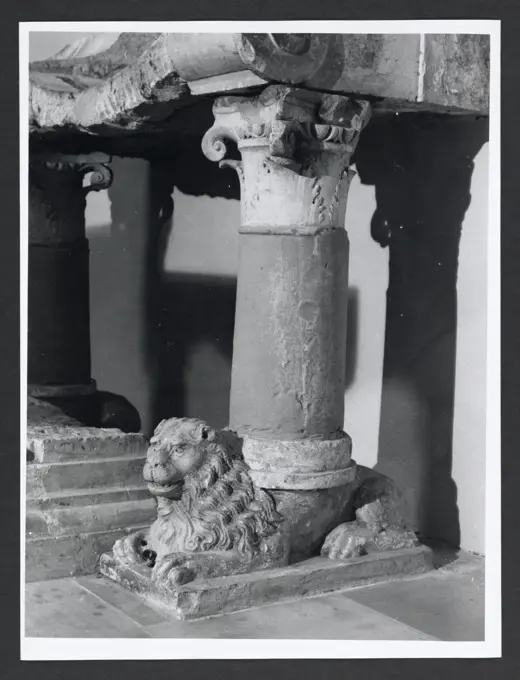
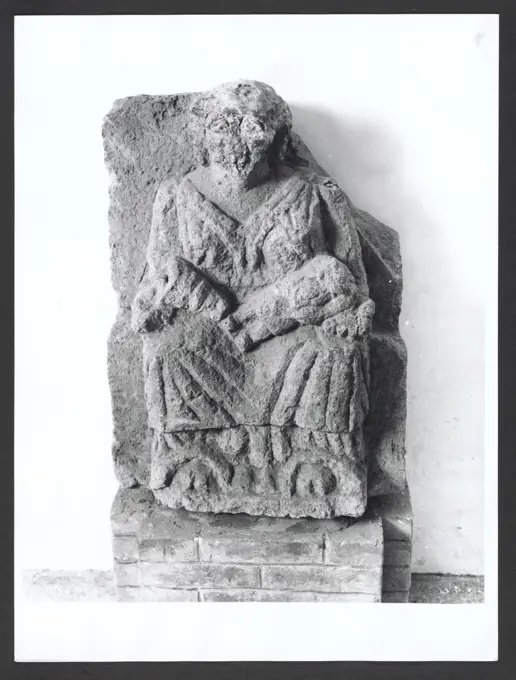
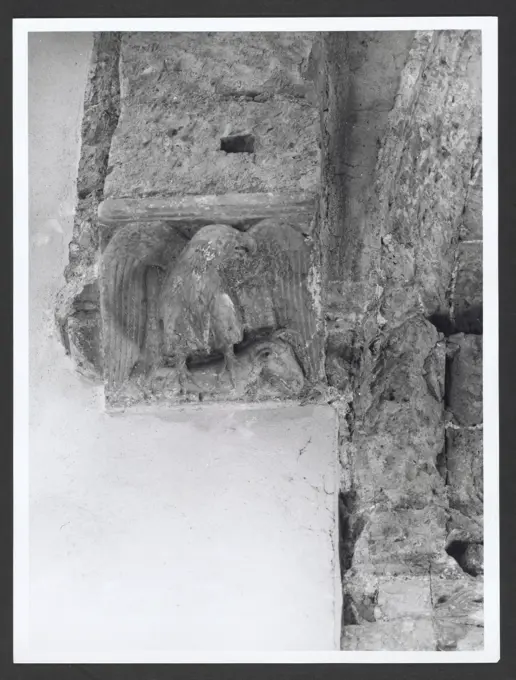
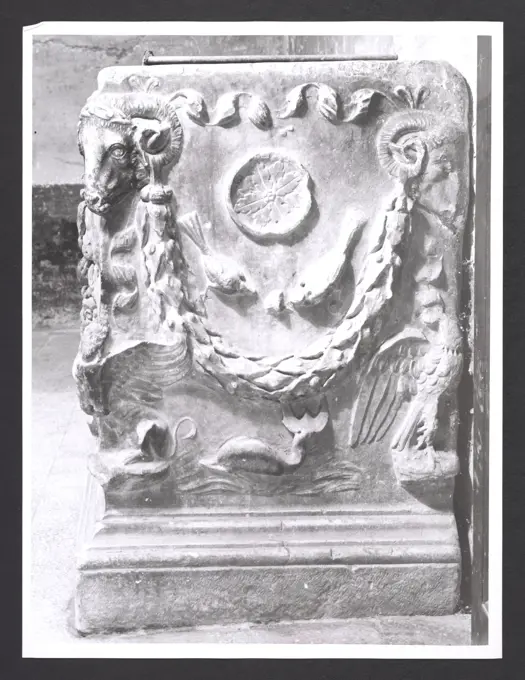
Abruzzo L'Aquila Trasacco SS. Rufino e Cesidio54. Hutzel, Max 1960-1990 The original monument was destroyed in 936, rebuilt, modified throughout the 16th century (with an addition to the nave in 1618), and restored in 1969. Exterior views include the bell tower and general building facades. Most views focus on the architectural sculpture of the Portale delle Donne and the Portale degli Uomini. Interior views in the Medieval core collection focus on a statue of St. Catherine in an aedicule (15th century); an ambo lecturn (pluteus) decorated with the four symbols of the Evangelists (c. 1267); a statue of the Virgin and Child under a sculpted baldachin on the entrance wall of the oratory (14th century) and the main altar composed of sarcophagus fragments of lions and peacocks in low-relief (8th-10th centuries). A baptismal font and possibly bas-reliefs (immured spolia) in the Oratory. Interior views in the Hutzel collection include: the altar statue of S. Cesidio, frescoes of the Annuncia