Fine ArtVintageFootageSubscriptionBoardsFree ResearchPricing
  • Fine Art
  • Vintage
  • Footage
  • Subscription
  • Boards
  • Free Research
  • Pricing

Chinese Portraits

Traditional Chinese portraits featuring dignified figures in ornate attire, often depicting men with ceremonial attire and accessories.

Chinese portrait of man by Anonymous artist, Watercolour and ink on paper, Taiwan, Taipei, National Palace Museum
67 assets in this story
6145-29250109
A Chinese seated figure with ornamental bamboo staff and head-dress. Painting by a Chinese artist, ca. 1850.
6145-59077400
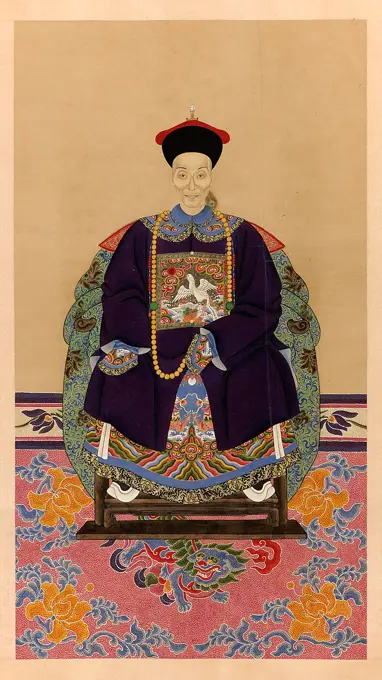
Portrait of the dignitary - the Dissert of the Pi This rank;  19th/20th century (1800-00-00-1900-00-00);Chinese (culture), coil painting, men, portraits, Chinese art, officials, scrolls, vertical ganglia
4409-28963241
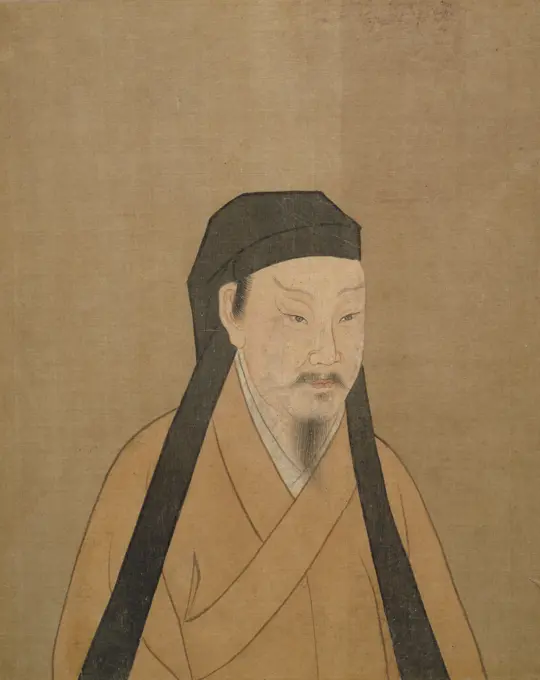
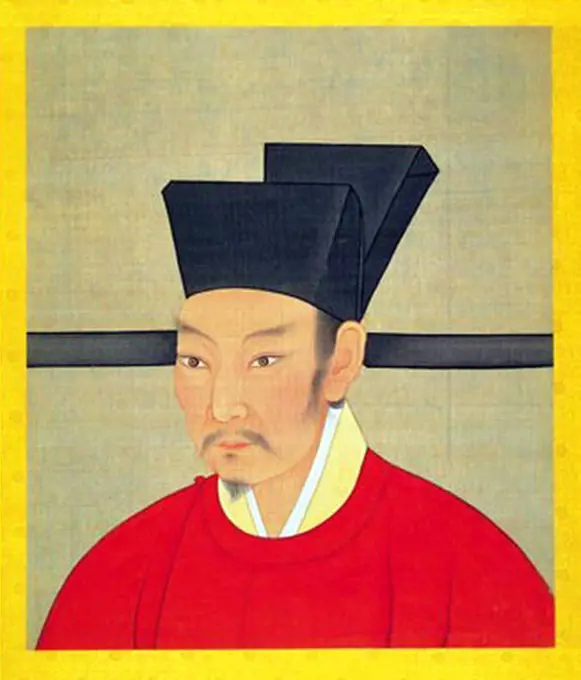
Portrait of Wang Huan. Origin: China. Period: Northern Song dynasty. Ink and color on silk. Date: ca. 1056. Museum: Freer Gallery of Art and Arthur M. Sackler Gallery.
6145-29153625
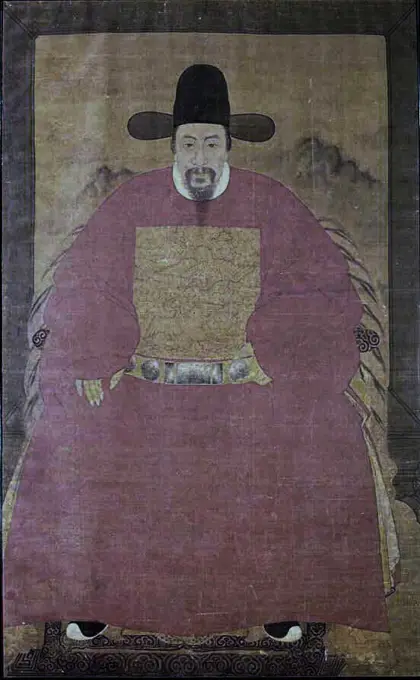
Portrait of a Gentleman 17th century Unidentified artist. Portrait of a Gentleman. Unidentified artist. China. 17th century. Hanging scroll; ink and color on silk. Ming dynasty (1368-1644). Paintings
4266-8679
Chinese portrait of man by Anonymous artist, Watercolour and ink on paper, Taiwan, Taipei, National Palace Museum
6145-30174490
Portrait of a Gentleman 1260-1644 China. Album leaf; ink and colors on silk .
6145-29271256
A Chinese figure, seated, wearing emerald green coloured silk robes with a black. Painting by a Chinese artist, ca. 1850.
4445R-9232
Painting
6145-45597376
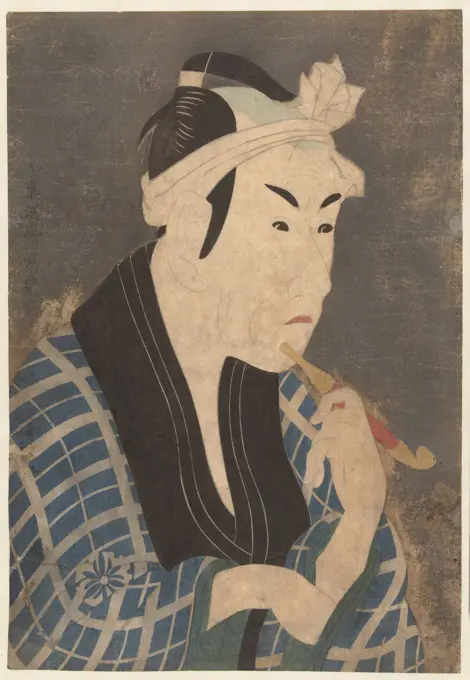
Bust portrait of Matsumoto Koshiro IV. The actor Matsumoto Koshiro IV in the role of the fishman Sakanaya Gorobei, with pipe in left hand; Against dark gray mica background. Scene from the Katakiuchi Noriaibanashi play, raised in the Kiri-Za in 1794.
1899-18856060
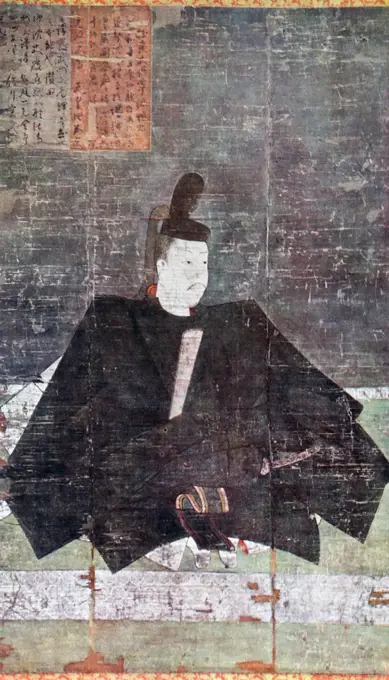
Emperor Saga (峨天皇 Saga-tennō, February 8, 785 - August 24, 842) was the 52nd emperor of Japan, according to the traditional order of succession. Saga's reign spanned the years from 809 through 823. Saga was the second son of Emperor Kanmu and Fujiwara no Otomuro. His personal name was Kamino (神野). Saga was an accomplished calligrapher, able to compose in Chinese who held the first imperial poetry competitions (naien). According to legend, he was the first Japanese emperor to drink tea. Saga is traditionally venerated at his tomb; the Imperial Household Agency designates Saganoyamanoe no Misasagi (峨山上陵, Saganoyamanoe Imperial Mausoleum), in Ukyō-ku, Kyoto, as the location of Saga's mausoleum.
6145-29250786
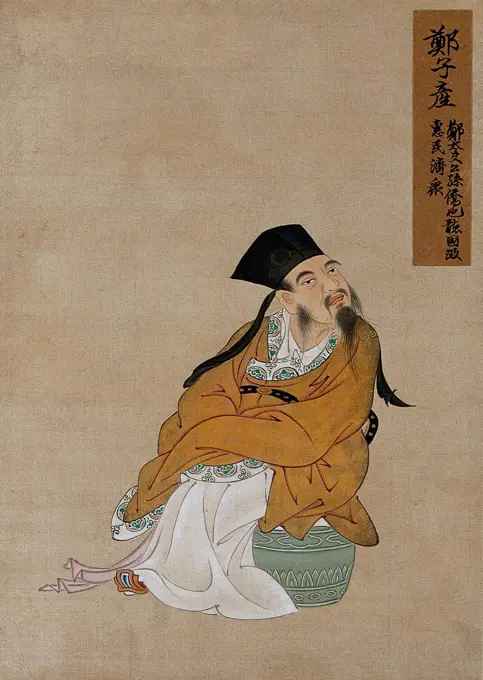
A Chinese figure, seated, wearing gold robes and black hat. Painting by a Chinese artist, ca. 1850.
4443-28728800
Portrait of a Lady, 17th century, Unknown Japanese, 19 13/16 × 13 3/4 in. (50.32 × 34.93 cm) (image)53 1/8 × 19 1/4 in. (134.94 × 48.9 cm) (mount, without rollers), Pigment and gold on paper, Japan, 17th century
1899-18711863
Emperor Guangwu (13 January 5 BCE - 29 March 57 CE), born Liu Xiu, was an emperor of the Chinese Han Dynasty, restorer of the dynasty in 25 CE and thus founder of the Later Han or Eastern Han (the restored Han Dynasty). Initially he ruled over part of China, but through the suppression and conquest of regional warlords, the whole of China was consolidated by the time of his death in 57.
6145-29288593
A Chinese seated figure with wild beard, pictured with bow and quiver of arrows. Painting by a Chinese artist, ca. 1850.
6145-29272211
A Chinese figure, seated, wearing beige robes and tall black hat. Painting by a Chinese artist, ca. 1850.
4409-17578298
'White Old Man'. Buryatia, Late 18th century. Dimensions: 37,5x27 cm. Museum: State Hermitage, St. Petersburg.
6145-29127547
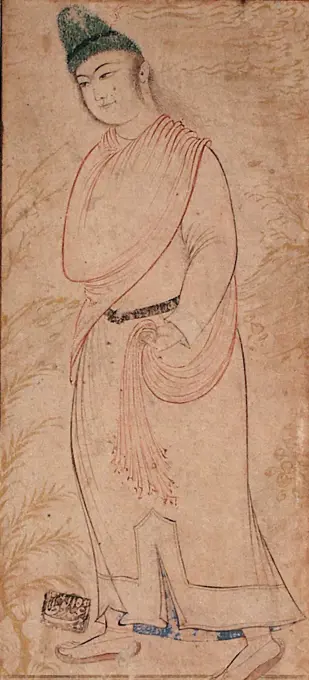
A Standing Man with a Green Hat
1899-18719018
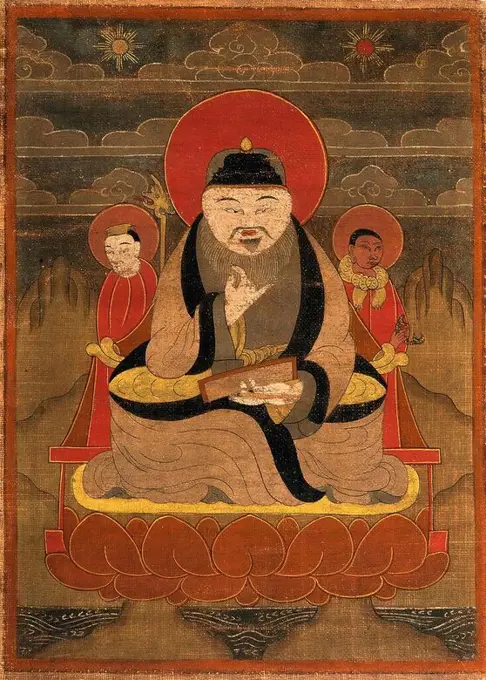
Orug Temur, aka Gulichi, khagan of the Northern Yuan Dynasty (1403-1408). Also known as Ugch Hashha Khan, he seized the throne in 1403, the black sheep year and passed away in 1408, the yellow rat year.
6145-59499886
Chinese literate civil servant in Deshima, Anonymous, c. 1800 hanging scroll. box Portrait of a Chinese dignity and literary with fan from the Chinese settlement in Deshima. The man wears a black cloak with fur. In his right hand he holds a fan painted with an orchid plant. Characteristic of the Chinese literate are also the welverzordgde long fingernails. While he pushes the mantle aside with his left hand, he points to his well -filled money pouch. The red plume with the yellow button on his headgear also points to a certain civil servants rank. The roll painting is in a cardboard box with lid. Japan Painting: Paper. Box: Cardboard   Deshima. Japan. Netherlands. China
1899-18719008
Temur Khan (October 15, 1265-February 10, 1307), also spelled Timur, was the second leader of the Yuan Dynasty between May 10, 1294 and February 10, 1307, and is considered as the sixth Great Khan of the Mongols in Mongolia. He was a son of the Crown Prince Zhenjin and the grandson of Kublai Khan. During his rule, the Tran, Pagan and Champa dynasties and western khanates of the Mongol Empire accepted his supremacy. Temur Khan,the third son of Chingem who was the eldest son of Kub lai Khan, was born in 1265, the blue cattle year. In 1294, the blue horse year, he became Emperor of the Yuan Dynasty and in 1007, the red sheep year, he passed away.
4443-75457862
Kinuginu Tsuraito, 1802, Woodcuts
6145-29070048
Portrait of an Official, 1600s-1700s. China, Ming dynasty (1368-1644) - Qing dynasty (1644-1911). Hanging scroll; ink and color on silk; painting only: 150.4 x 94.6 cm (59 3/16 x 37 1/4 in.); including mounting: 233.7 x 123.5 cm (92 x 48 5/8 in.).
1899-19188775
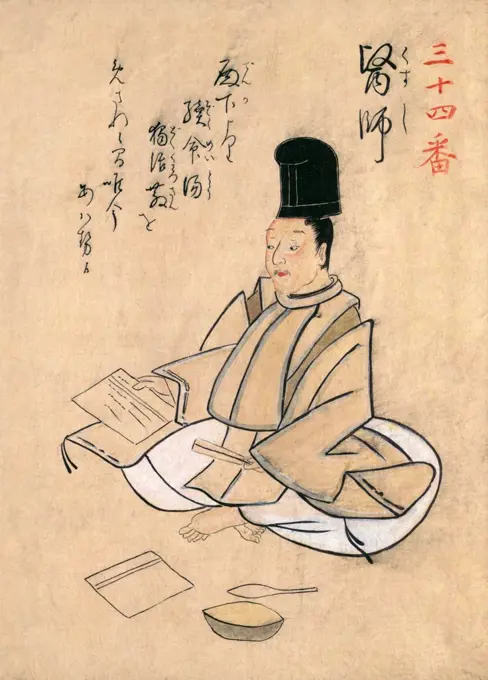
Japan: Traditional crafts and trades of the 18th century from a hand-painted album by an anonymous artist. Folio 34 (right). Hand-coloured illustration from a Japanese miscellany on traditional trades, crafts and customs in mid-18th century Japan, dated Meiwa Era (1764-1772) Year 6 (c. 1770 CE).
6145-51822005
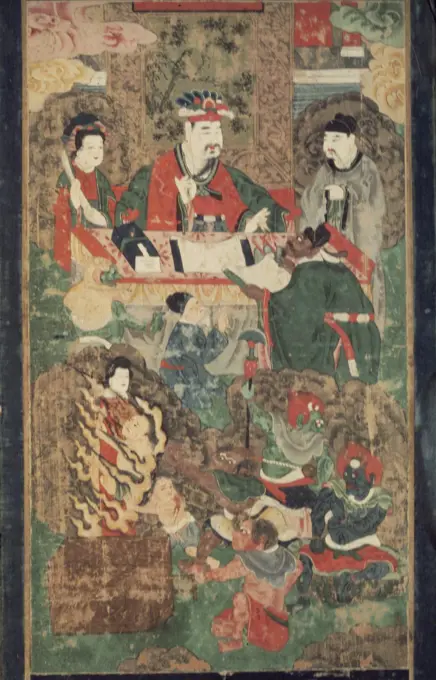
Ten Kings of the Underworld , 19th century. Ink and color on silk, 28 3/8 x 15 3/8 in. (72 x 39 cm).   Asian Art 19th century
6145-29120163
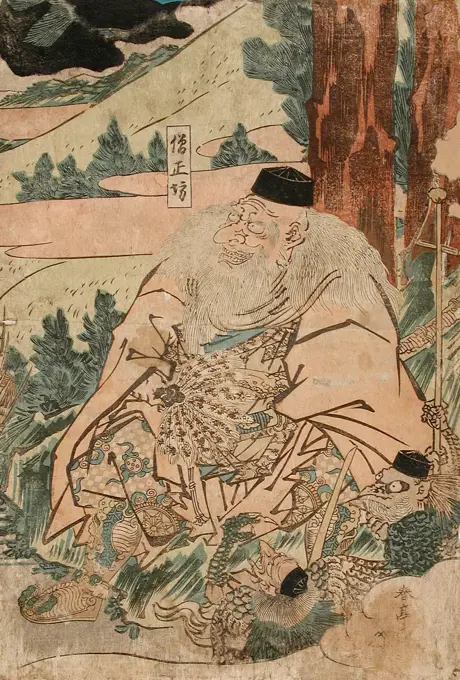
Sōjōbō: King of the Tengu. Katsukawa Shuntei (Japan, 1770-1824). Japan, late 18th-early 19th century. Prints; woodblocks. Color woodblock print
6145-29200154
Luohan, after a set attributed to Guanxiu stone carved in 1757; rubbing 18th or 19th century Unidentified Of the many luohan painters throughout Chinese history, none was more influential than the Buddhist monk Guanxiu (832-912), whose wild caricatures inspired generations of artists to depict luohans as exotic, superhuman beings. Guanxiu’s paintings were already considered rare in 1757, when the Qianlong emperor encountered what he believed to be an authentic set in a monastery in Hangzhou. To preserve their appearance, the emperor commissioned copies and had them carved in stone so that rubbings like these could be made. The original paintings are now lost, making these copies some of the most important surviving evidence of Guanxiu’s style.. Luohan, after a set attributed to Guanxiu. Unidentified artist, possibly Ding Guanpeng (active 1726-71). China. stone carved in 1757; rubbing 18th or 19th century. Ink on paper. Qing dynasty (1644-1911). Rubbing
1899-18711638
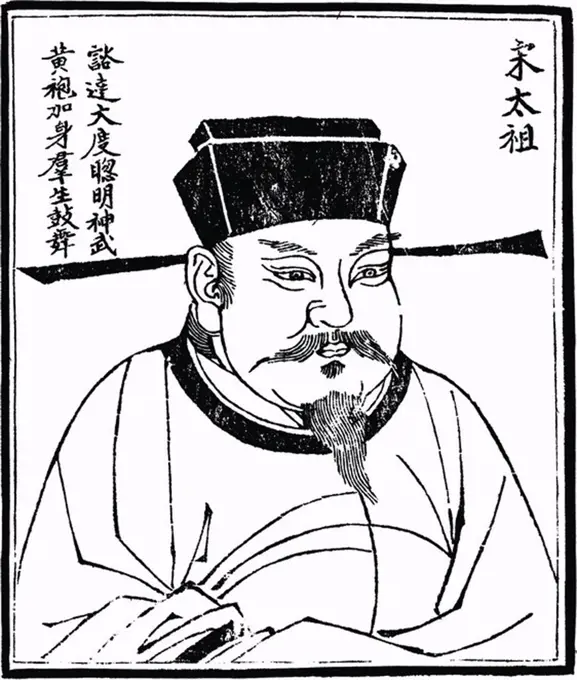
In 960, Song Taizu helped reunite most of China after the fragmentation and rebellion between the fall of the Tang dynasty in 907 and the establishment of the Song dynasty. He established the core Song Ancestor Rules and Policy for the future emperors. He was remembered for his expansion of the examination system such that most of the civil service were recruited through the exams. He also created academies that allowed a great deal of freedom of discussion and thought, which facilitated the growth of scientific advance, economic reforms as well as achievements in arts and literature.<br/><br>  The Song Dynasty (960-1279) was an imperial dynasty of China that succeeded the Five Dynasties and Ten Kingdoms Period (907-960) and preceded the Yuan Dynasty (1271-1368), which conquered the Song in 1279. Its conventional division into the Northern Song (960-1127) and Southern Song (1127-1279) periods marks the conquest of northern China by the Jin Dynasty (1115-1234) in 1127. It also distingui
1788-42169
Portrait of Cho Man-Yong (1776-1846), ink and colours on paper, 1845, signed by Yi-Han ch'ol. Korean civilization, Choson period, 19th century.
6145-59074956
Lady with a basket of flowers; Du, Heng (Fl. Ca 1800); OM XVIII/19th century (1791-00-00-1810-00-00);Flowers, painting, message (provenance), Chinese art, women's images
1899-18711660
Qinzong was the eldest son of Emperor Huizong. He ascended the throne in dramatic circumstances following his father's abdication. As the Song empire was faced with invasion by the Jurchen of the Jin Dynasty, Qinzong's father Emperor Huizong abdicated in Qinzong's favour. Uninterested in peace, the Jurchens invaded Kaifeng in January 1127 and captured 26 year old Qinzong, Grand-Emperor Huizong and the entire Song imperial family including dozens of government officials in the Jingkang Incident, thus ending the Northern Song dynasty.<br/><br>  The Song Dynasty (960-1279) was an imperial dynasty of China that succeeded the Five Dynasties and Ten Kingdoms Period (907-960) and preceded the Yuan Dynasty (1271-1368), which conquered the Song in 1279. Its conventional division into the Northern Song (960-1127) and Southern Song (1127-1279) periods marks the conquest of northern China by the Jin Dynasty (1115-1234) in 1127. It also distinguishes the subsequent shift of the Song's capital city
6145-29066057
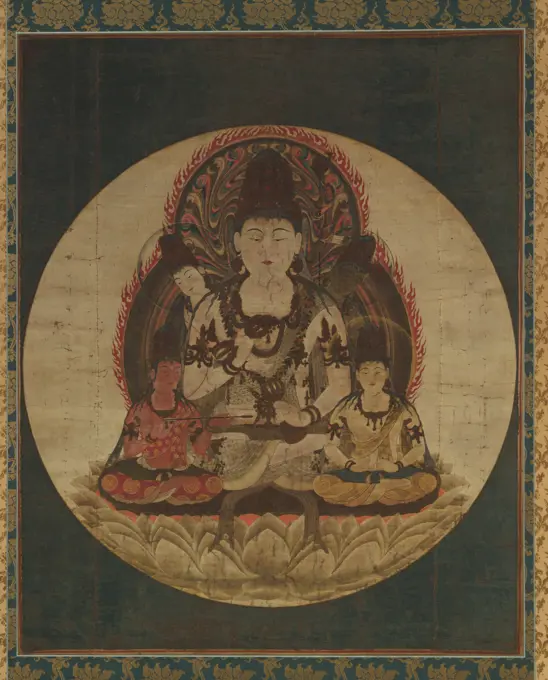
The Secret Five Bodhisattvas (Gohimitsu Bosatsu), 1200s. Japan, Kamakura period (1185-1333). Hanging scroll; ink, color, gold, and silver on silk; image: 78.1 x 63.5 cm (30 3/4 x 25 in.); overall: 163.2 x 83.8 cm (64 1/4 x 33 in.).
6145-29161614
Portrait of Yongzheng Emperor (1723-1735) 19th century Unidentified artist. Portrait of Yongzheng Emperor (1723-1735). Unidentified artist Chinese, 19th century. China. 19th century. Hanging scroll; ink and color on silk. Qing dynasty (1644-1911). Paintings
1899-19188757
Japan: Traditional crafts and trades of the 18th century from a hand-painted album by an anonymous artist. Folio 32 (left). Hand-coloured illustration from a Japanese miscellany on traditional trades, crafts and customs in mid-18th century Japan, dated Meiwa Era (1764-1772) Year 6 (c. 1770 CE).
6145-29822068
The Sixteen Luohans spurious date of 1634 Attributed to Chen Xian Chen Xian was a Buddhist monk who painted mostly religious figures. In the chaos that accompanied the fall of the Ming dynasty in 1644, many Buddhist monks left China for Japan, and some brought paintings by Chen, which found favor. For this reason, he is better known in Japan than in his native country. This album is not as accomplished as his best worksthe shading of the faces is somewhat muddyso it is likely a close copy, possibly by a Japanese admirer.. The Sixteen Luohans 36083
1899-18713788
Saigō Takamori (Takanaga, (January 23, 1828 - September 24, 1877) was one of the most influential samurai in Japanese history, living during the late Edo Period and early Meiji Era. He has been dubbed the last true samurai. Tsukioka Yoshitoshi (1839 - June 9, 1892),  also named Taiso Yoshitoshi, was a Japanese artist. He is widely recognized as the last great master of Ukiyo-e, a type of Japanese woodblock printing. He is additionally regarded as one of the form's greatest innovators. His career spanned two eras - the last years of feudal Japan, and the first years of modern Japan following the Meiji Restoration. Like many Japanese, Yoshitoshi was interested in new things from the rest of the world, but over time he became increasingly concerned with the loss of many outstanding aspects of traditional Japanese culture, among them traditional woodblock printing.
6145-59039367
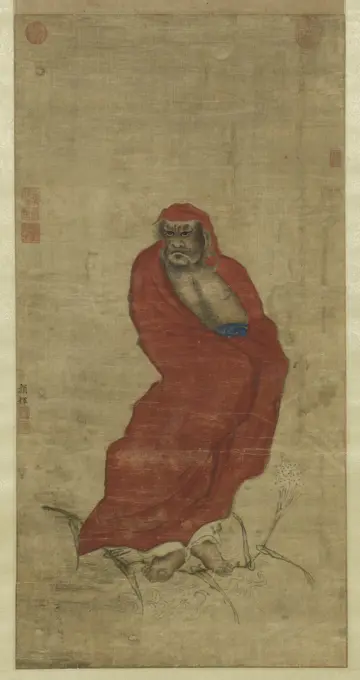
Yan Hui (active at the end of 13th century, early 14th century). "Bodhidharma crossing Yangzi". Ink and colors on silk. Paris, Cernuschi museum. 38965-7 Bodhidharma, color, yuan dynasty, ink, waves, man, active painter, silk, crossing, crossing, yangzi
1899-29973512
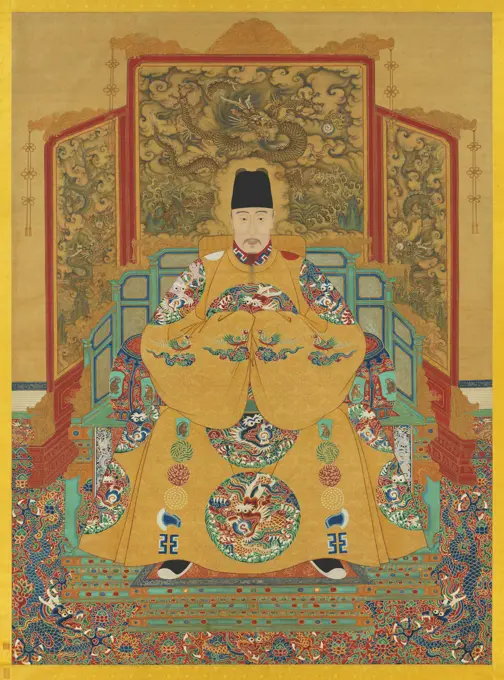
China: Emperor Jiajing (16 September 1507 - 23 January 1567), 12th ruler of the Ming Dynasty (r. 1521-1567). Hanging scroll painting, 16th-17th century.
1899-18712287
Katsuie was the retainer of Oda Nobukatsu (Oda Nobuyuki). In 1575, after gaining control of Echizen, he took command of Kitanosho Castle (Hokujo) and was ordered to conquer the Hokuriku region. In a meeting in Kiyosu to determine the successor to Nobunaga, he supported Oda Nobutaka, the third son, for whom Katsuie had performed the genpuku ritual. He allied with Oda Nobutaka and Takigawa Kazumasu to battle Toyotomi Hideyoshi. However, his domain was sealed off in the winter by snowfalls and this limited his ability. He retreated to Kitanosho castle but with the army destroyed, Katsuie had no option but to surrender. Katsuie committed seppuku and set the fire to the castle. He implored his wife Oichi to take their daughters and leave, but she decided to follow his death, while letting her daughters escape.
1899-18789529
Tani Bunchi (October 15, 1763 - January 6, 1841) was a Japanese literatus (bunjin) painter and poet. He was the son of the poet Tani Rokkoku (1729-1809). As his family were retainers of the Tayasu Family, descendents of the eighth Tokugawa shogun, Bunchi inherited samurai status and received a stipend to meet the responsibilities this entailed. In his youth he began studying the painting techniques of the Kani school under Kati Bunrei (1706-82). After Bunrei's death, Bunchi worked with masters of other schools, such as the literati painter Kitayama Kangen (1767-1801), and developed a wide stylistic range that included many Chinese, Japanese and European idioms. He rose to particular prominence as the retainer of Matsudaira Sadanobu (1759-1829), genetic son of the Tayasu who was adopted into the Matsudaira family before becoming chief senior councilor (ri ju shuza; èa¸­é¦-座) of the Tokugawa Shogunate in 1787. Bunchi is best known for his idealized landscapes in the literati style (Na
6145-29074587
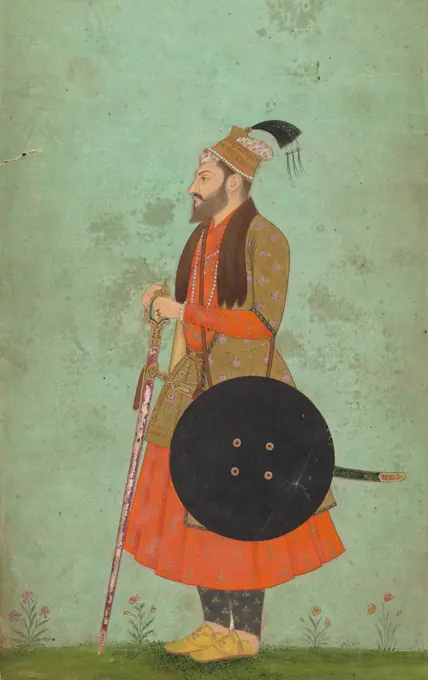
Portrait of Prince Murad Baksh, c. 1655. India, Mughal Dynasty (1526-1756). Color and gold on paper; overall: 20 x 12 cm (7 7/8 x 4 3/4 in.).
1746-445
The Warrior Minamoto No Yoshitsune on Horseback from series Famous Warrior Heroes by Utagawa Yoshimori (1830-85) published 1886. Japanese coloured woodblock
1746-21113924
Portrait of Yoritomo by Takanobu. Yoritomo was the first commander-in-chief of Japan (1192-98).
7003-69612302
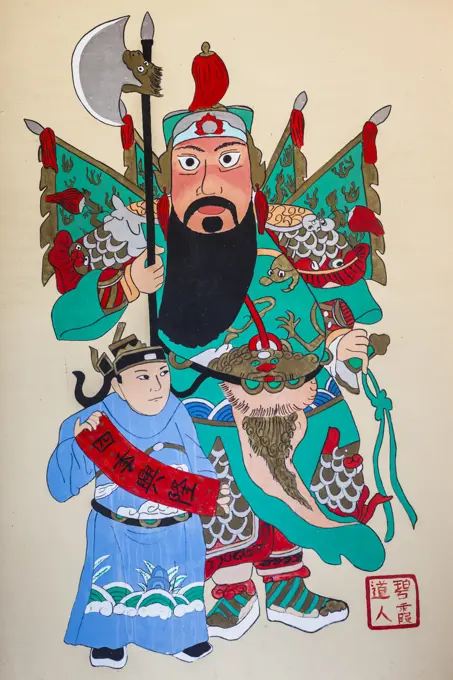
Australia, Victoria, Bendigo, Golden Dragon Museum and Gardens, museum of Chinese immigrant life, wall art
6145-58995462
Victor Hugo (1802-1885), French writer. Chinese lounge, decor from Juliette Drouet's house in Guernsey. South wall, pair of figurative panels (Chinese). Polychrome engraved wood. 1857-1864. Paris, house of Victor Hugo. 77436-19 Art craftsmanship, arts decoratives, serious wood, Chinese cabinet, chinoiserie, oriental influence, orientalism, wooden panel, character, Chinese living room, 19th 19th 19th 19th 19th 19th century, engraving
6145-51818590
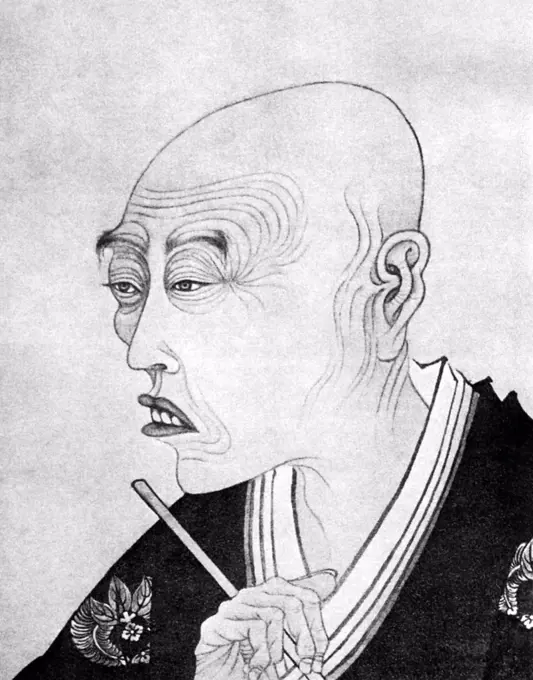
Sketch of Daruma Katsushika Hokusai (Japanese, 1760-1849). Sketch of Daruma, 1760-1849. Painting on paper, 12 7/8 x 9 1/2 in. (32.7 x 24.1 cm).   Asian Art 1760-1849
4409-17580914
'White Old Man'. China, 19th century. Dimensions: 32,5x24 cm. Museum: State Hermitage, St. Petersburg.
6145-59013061
Wall painting: Buddha head, China Epoque Ming, between 1368 and 1644. Paris, Cernuschi museum. 34984-17 Buddha, Buddhism, China, Ming dynasty, portrait, head
6188-64625176
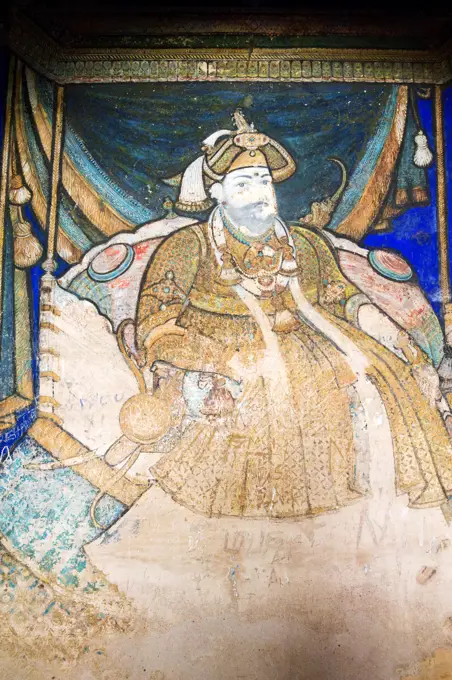
Wall painting of king at darbar hall thanjavur palace  Tamil Nadu  India Copyright: xSatishxParashar/DinodiaxPhotox
4409-17564580
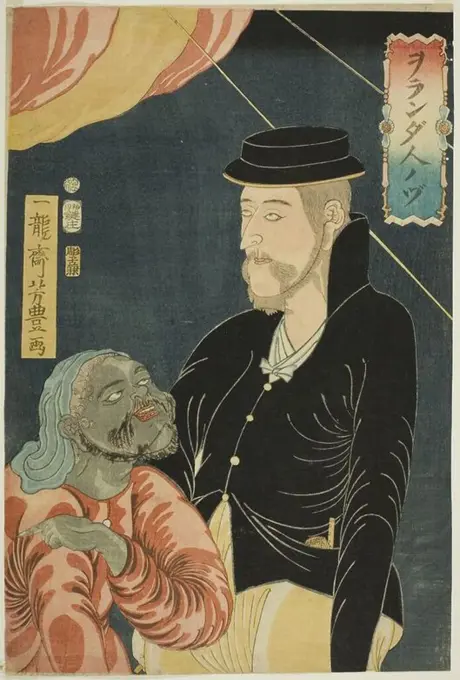
Illustration of a Dutchman (Orandajin no zu). Utagawa Yoshitoyo; Japanese, 1830-1866. Date: 1861. Dimensions: . Color woodblock print; oban. Origin: Japan. Museum: The Chicago Art Institute, Chicago, USA.
4435-3898
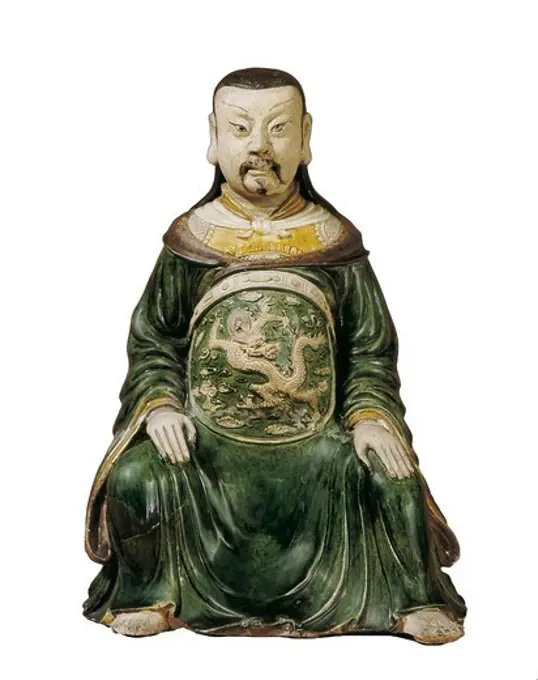
God of the North. Chinese art. Ming period. China / Porcelain. FRANCE. ëLE-DE-FRANCE. Paris. Guimet Museum.
4430-2936
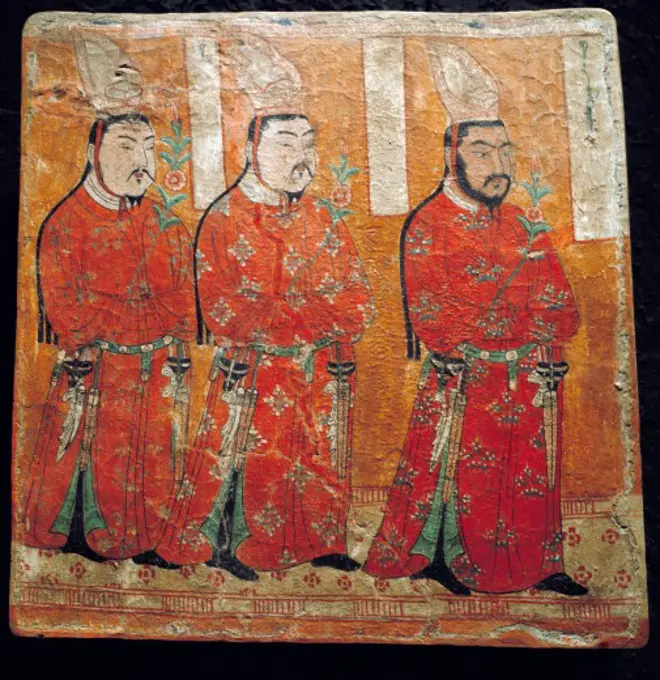
fine arts, China, Uyghur painting, Uyghur princes, fresco, Bezeklik Monastary, 8th/9th century, Museum for Asian Art, Berlin,
6145-45780443
Portrait of Edward VI of England. Edward VI of England, at the age of ten, some son and successor to Hendrik VIII. He is wearing a purple skirt and cloak, trimmed with gray-blue ermine, scarlet under-slewing, flat hat on the head. Knee piece, seen from the front, slightly to the left, for a recorded curtain, caught in edge line, inside the crowned English weapon with the order of the garter at the top right. Pendant of portrait of Hendrik VIII.
6145-59057461
God and the goddess of the Earth;  beginning of the 20th century (1901-00-00-1932-00-00);Jabłońska, Antonina (1901-1994), Jabłoński, Witold (1901-1957), Jabłoński, Witold (1901-1957)-collection, Chinese (culture), gift (provenance), Chinese art
1899-18309210
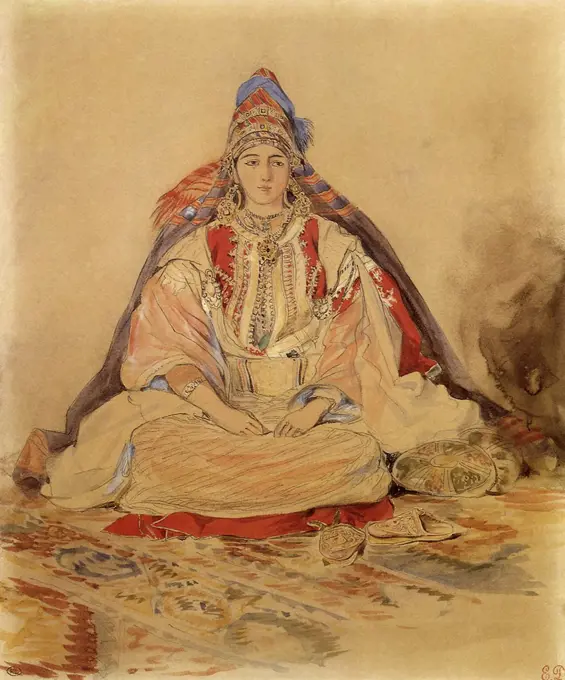
Jewish Bride of Tangier, Delacroix, Eugene
4409-21383860
MUSEO-ESTATUA EN TIERRA COCIDA DE UN CABALLERO-DETALLE CABEZA-S III A J.C. Location: MUSEO DEL EJERCITO DE QIN SHIHUANG. China.
6145-54593206
Half-length woodcut portrait by Melchior Lorch depicting a Turkish nobleman, possibly a soldier, created in the second half of the 16th century using the Clair-Obscur technique.
1848-54995224
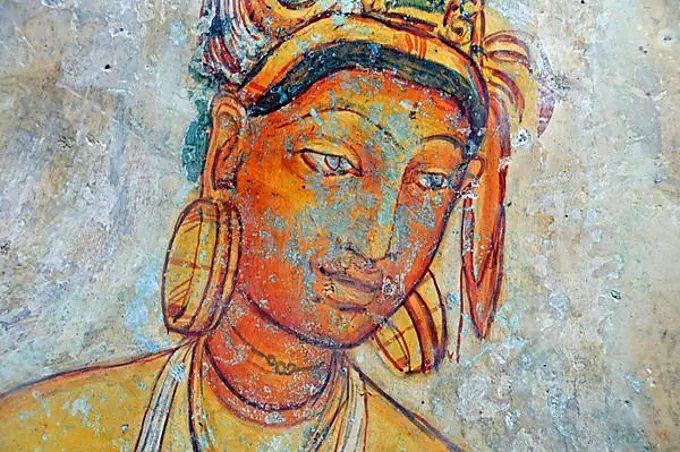
Cloud maiden, fresco on cave wall, 5th Century, Lion Rock, rock fortress, UNESCO World Heritage site, Sigiriya, Sri Lanka, Asia
6188-58173185
portrait of Ramon Llull portrait of Ramon Llull, 17th century, paintings of the corridor on the ground floor, gray techniqueSan Buenaventura Cloister, Llucmajor, Mallorca, Balearic Islands, Spain Copyright: xZoonar.com/BartomeuxBalaguerxRotgerx 21354551
1848-51747169
Museum of the Terracotta Warriors, Bust of a High-ranking Officer, Mausoleum of the first Qin Emperor, Xian, Shaanxi Province, China, Asia
6176-66087953
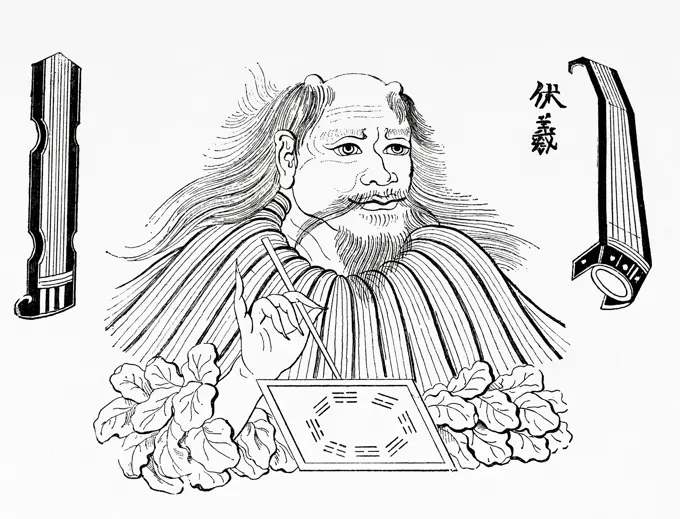
Chinese god of inventions. Fuxi and the musical instruments he invented. He was the first of the legendary San Huang. Ancient China History. Old 19th century engraved illustration from El Mundo Ilustrado 1879
6145-45525282
Painting on glass  a man with a bow and a small warrior in armor unknown
4409-17579025
'Chandrakirti'. China, 19th century. Dimensions: 65x49 cm. Museum: State Hermitage, St. Petersburg.
1890-172954
Terracotta warrior on display in the Shaanxi History Museum, Xian, China
6145-51834361
Portrait of an Emir Portrait of an Emir, 1855. Oil on canvas, 59 x 37 in. (149.9 x 94 cm).   Arts of the Islamic World 1855
4443-28737691
Seated man, Unknown Japanese, 7 x 5 3/4 x 5 in. (17.78 x 14.61 x 12.7 cm), Ceramic, Japan
6145-30301740
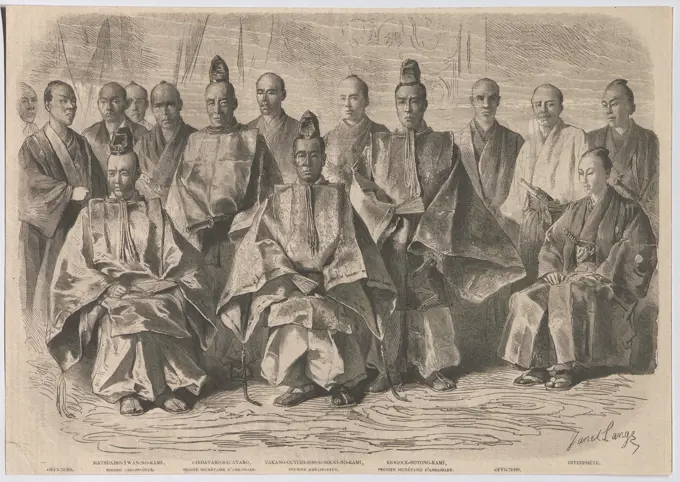
The Japanese ambassador and his delegation in Paris from L´Ichrustation, Ann-Louis Janet also Janet-Lange -, artist
6145-51821945
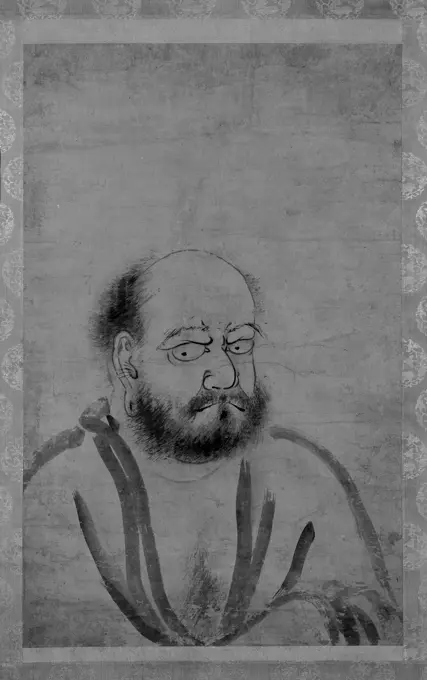
Daruma , 16th century. Hanging scroll, ink on paper, Overall: 65 x 23 1/2 in. (165.1 x 59.7 cm).   Asian Art 16th century
PREVIOUS
of 1
NEXT
2401 S. Ervay, Suite 206
Dallas, Texas 75215
United States
Browse
CategoriesGalleriesFree Research
For Creators
License Your ContentSuperStock For StudentsFrame of Mind BlogContributor PortalNew Image SpotlightLicense AI Imagery
Resources
About UsLicensingTerms & ConditionsAPI AccessPrivacyPricing
Contact
+1 866 236 0087help@superstock.com Contact form
©2026 SuperStock. All Rights Reserved. -B
This site is protected by reCAPTCHA and Google Privacy Policy and Terms of Service apply.