Fine ArtVintageFootageSubscriptionBoardsFree ResearchPricing
  • Fine Art
  • Vintage
  • Footage
  • Subscription
  • Boards
  • Free Research
  • Pricing

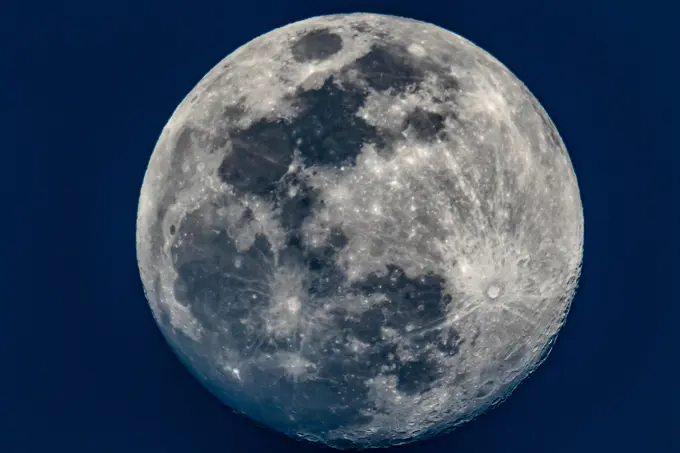
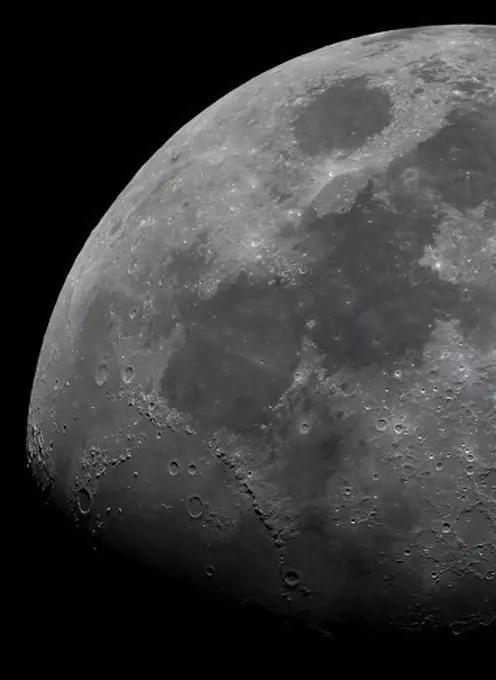
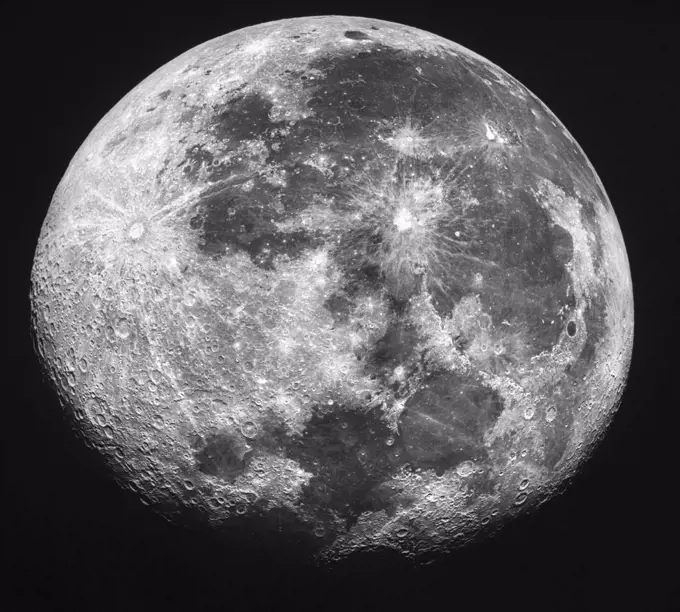
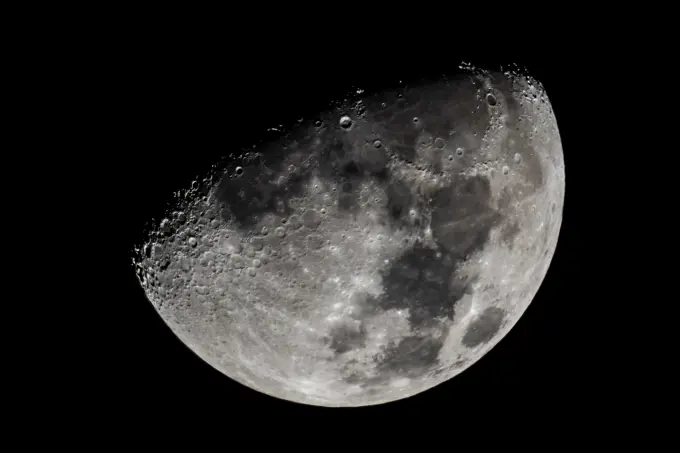
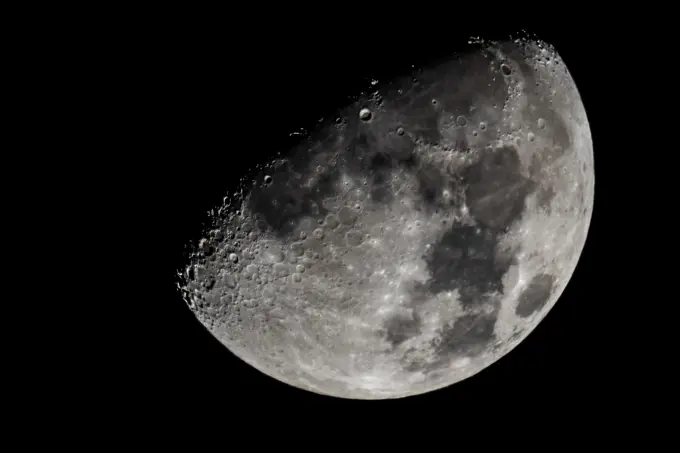
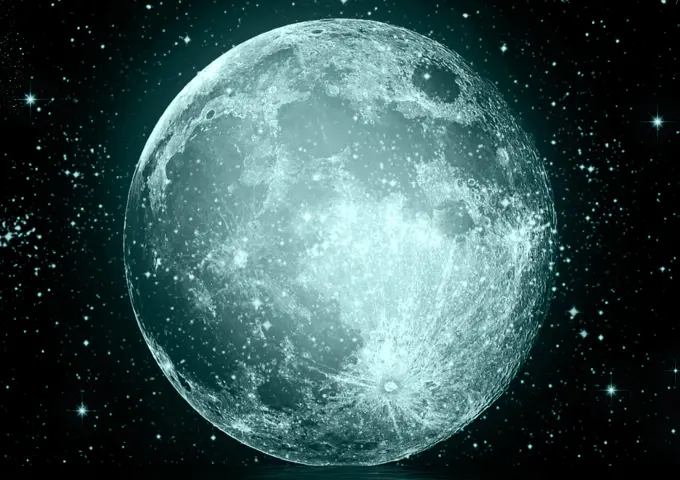
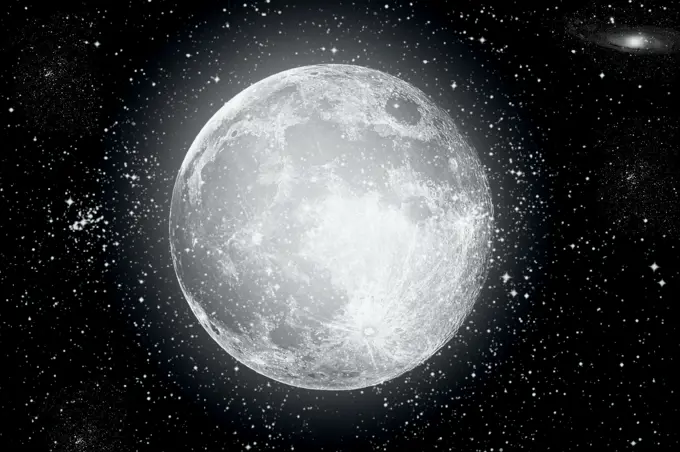
Detailed Lunar Surface

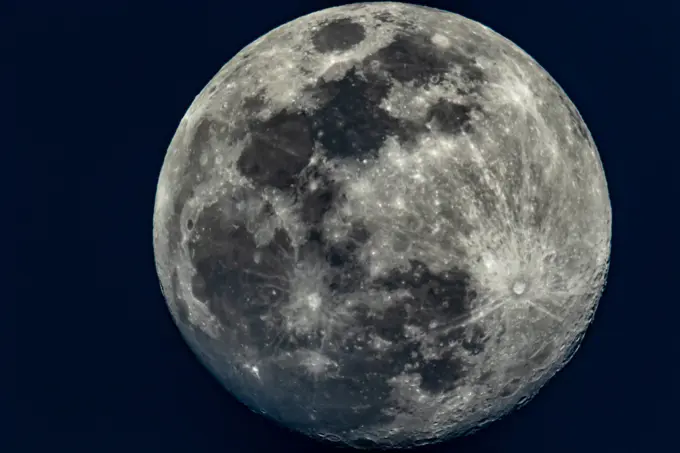
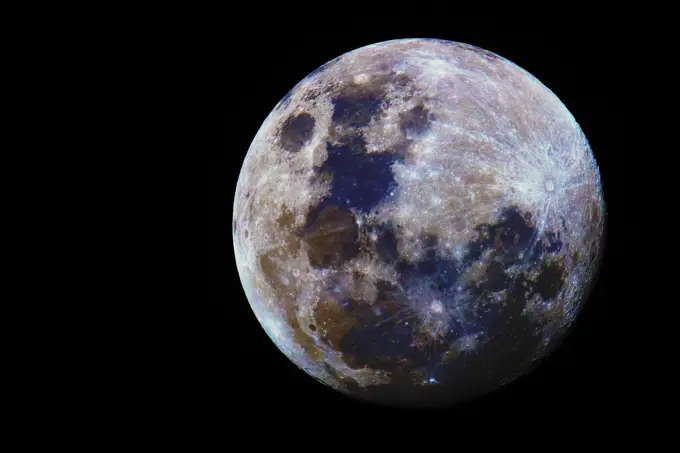
High-resolution images of the Moon showcasing its detailed surface features including craters and shadows, set against a starry backdrop.

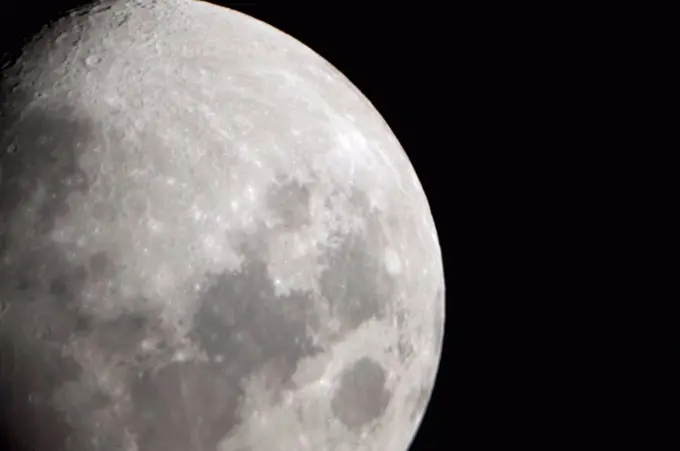
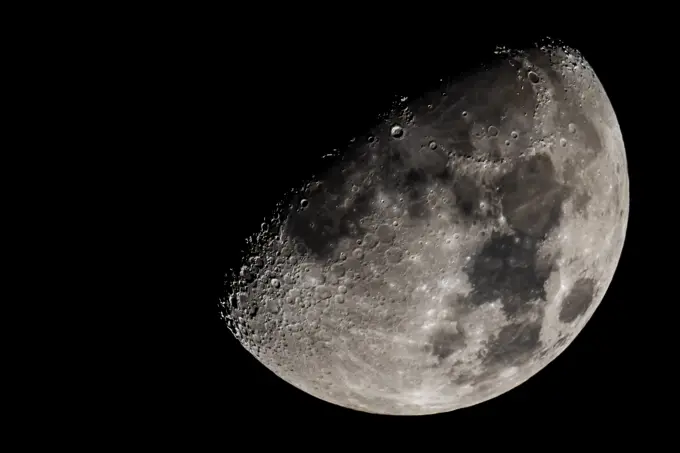
Fisrt quarter moon
Fisrt quarter moon
88 assets in this story
6188-56063150
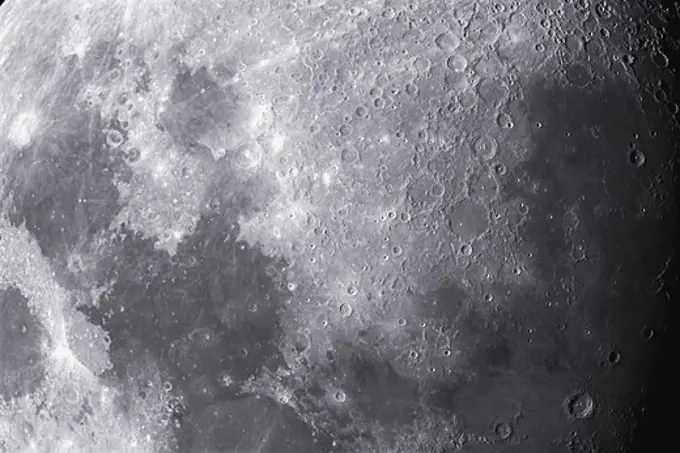
The moon, March 19, 2019 Moon closeup showing the details of the lunar surface. March 19, 2019 Copyright: xZoonar.com/DavidxAcostaxAllelyx 21207900
6188-60943151
Mond mit Schatten im Sternenhimmel. Mondoberfläche mit Kratern *** Moon with Shadows at Starry sky Lunar surface with Craters 1102805032
6145-45231895
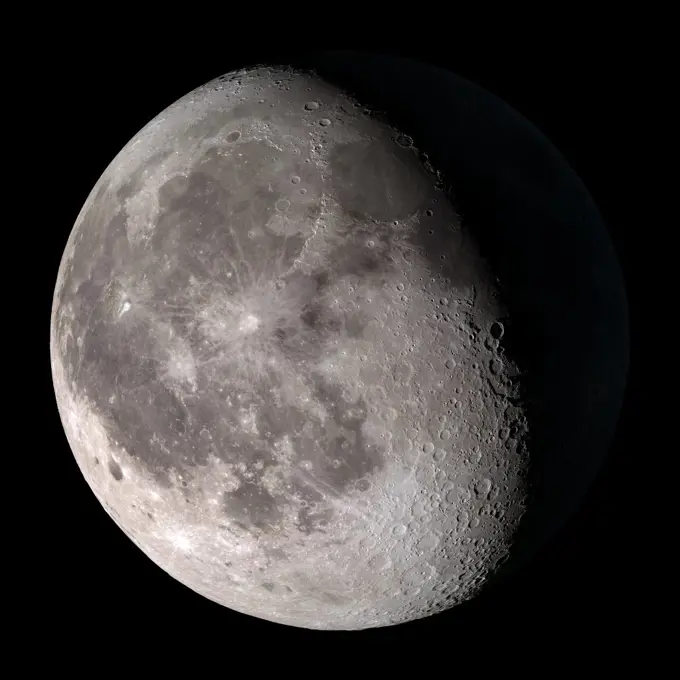
Waning gibbous. Rises after sunset, high in the sky after midnight, visible to the southwest after sunrise. NASA's Lunar Reconnaissance Orbiter (LRO) has been in orbit around the Moon since the summer of 2009. Its laser altimeter (LOLA) and camera (LROC) are recording the rugged, airless lunar terrain in exceptional detail, making it possible to visualize the Moon with unprecedented fidelity. This is especially evident in the long shadows cast near the terminator, or day-night line. The pummeled, craggy landscape thrown into high relief at the terminator would be impossible to recreate in the computer without global terrain maps like those from LRO. To download, learn more about this visualization, or to see what the Moon will look like at any hour in 2015, visit a href= http //svs.gsfc.nasa.gov/goto 4236 rel= nofollow svs.gsfc.nasa.gov/goto 4236 /a b a href= http //www.nasa.gov/audience/formedia/features/MP_Photo_Guidelines.html rel= nofollow NASA image use policy. /a /b b a href= htt
5514-28904027
Close-up of moon surface craters
6145-45258936
Waxing gibbous. Visible to the southeast in early evening, up for most of the night. NASA's Lunar Reconnaissance Orbiter (LRO) has been in orbit around the Moon since the summer of 2009. Its laser altimeter (LOLA) and camera (LROC) are recording the rugged, airless lunar terrain in exceptional detail, making it possible to visualize the Moon with unprecedented fidelity. This is especially evident in the long shadows cast near the terminator, or day-night line. The pummeled, craggy landscape thrown into high relief at the terminator would be impossible to recreate in the computer without global terrain maps like those from LRO. To download, learn more about this visualization, or to see what the Moon will look like at any hour in 2015, visit a href= http //svs.gsfc.nasa.gov/goto 4236 rel= nofollow svs.gsfc.nasa.gov/goto 4236 /a b a href= http //www.nasa.gov/audience/formedia/features/MP_Photo_Guidelines.html rel= nofollow NASA image use policy. /a /b b a href= http //www.nasa.gov/center
1889R-48504
The moon
6145-45200117
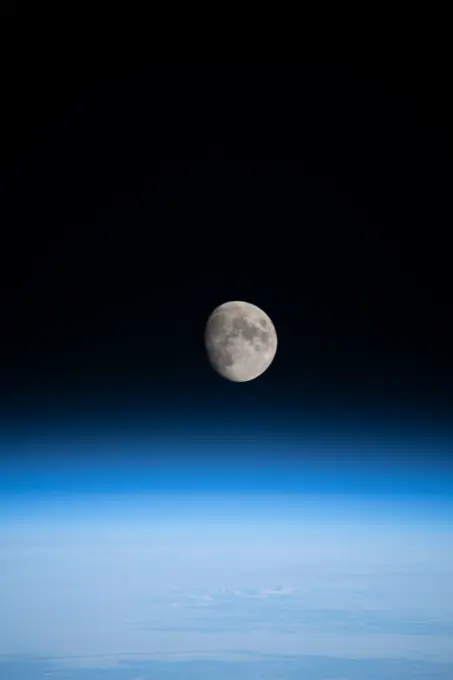
iss059e027725 (April 21, 2019) --- The moon is photographed in its waning gibbous phase just above the Earth's limb as the International Space Station orbited 258 miles above the North Atlantic Ocean just off the Canadian-American coast.
6188-56063156
The moon, March 19, 2019 Moon closeup showing the details of the lunar surface. March 19, 2019 Copyright: xZoonar.com/DavidxAcostaxAllelyx 21207938
1606-120276
Fisrt quarter moon
4239R-6050
The limb and terminator of the waxing gibbous moon.
6188-56063152
The moon, March 16, 2019 Moon closeup showing the details of the lunar surface. March 16, 2019 Copyright: xZoonar.com/DavidxAcostaxAllelyx 21207907
4239R-20480136
The Moon
4128-V58573728
6188-56063147
The moon, March 16, 2019 Moon closeup showing the details of the lunar surface. March 16, 2019 Copyright: xZoonar.com/DavidxAcostaxAllelyx 21207889
4128R-22348
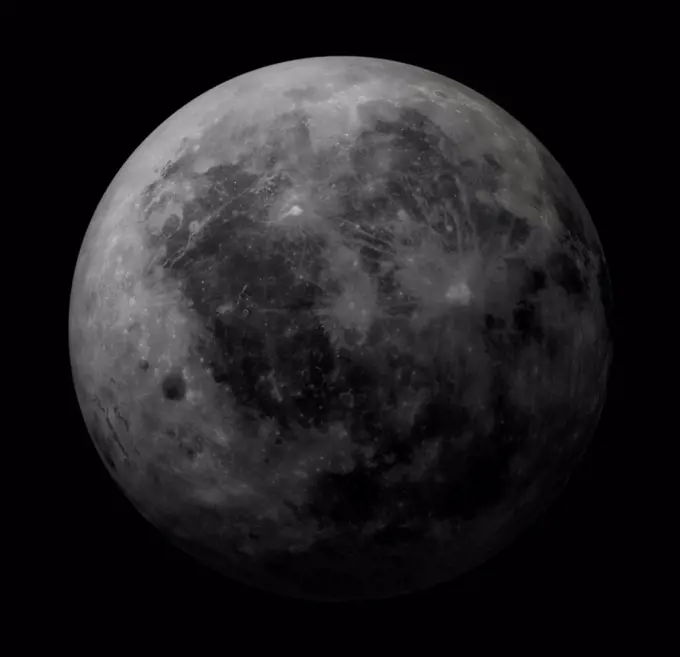
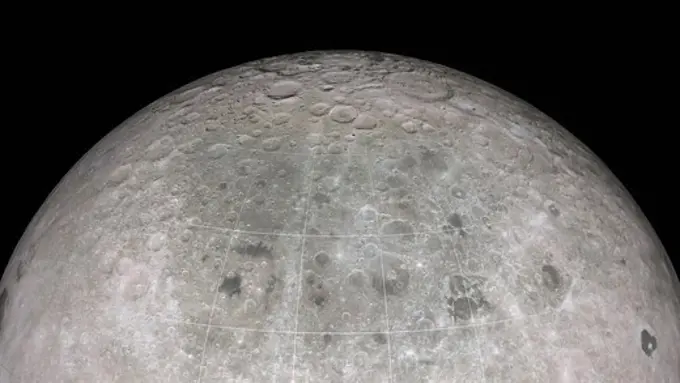
Dark side of the Moon, computer artwork.
6145-44628511
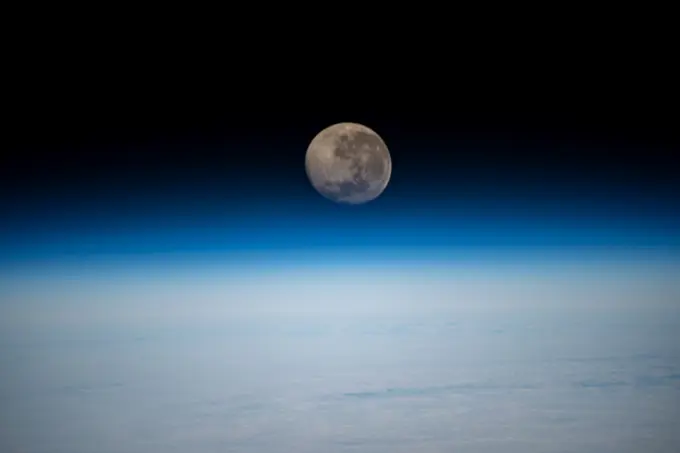
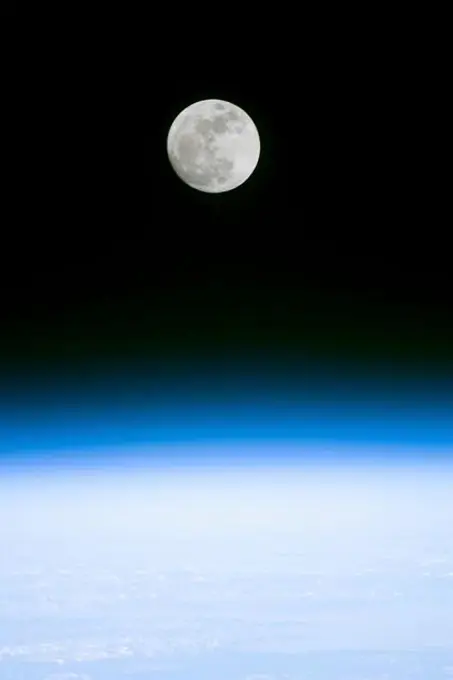
ISS010-E-18583 (24 February 2005) --- A full moon is visible in this view above Earth’s horizon and airglow, photographed by an Expedition 10 crewmember on the International Space Station.
4128R-11289014
Moon, computer artwork.
6188-60943147
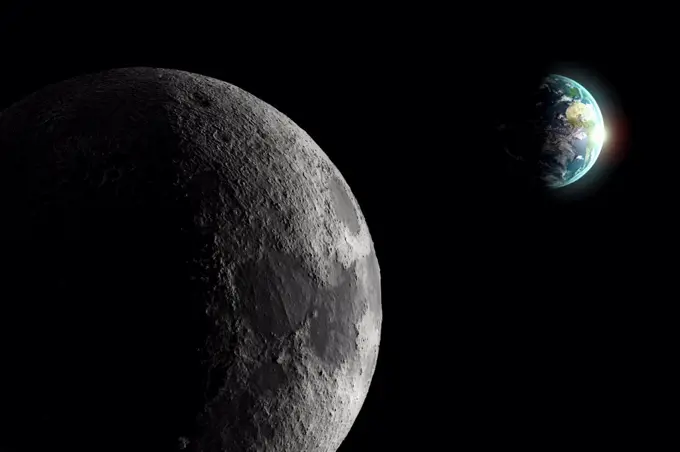
Mond mit Kratern und blauem Planeten Erde im sternenklaren Raum. Oberfläche des Mondes und Blick auf die Erde. Weltraumerkundung und Mondmission *** Moon with Craters and blue Planets Earth at starry Room Surface of Moon and View at the Earth Space exploration and Lunar mission 1102805027
6145-45291180
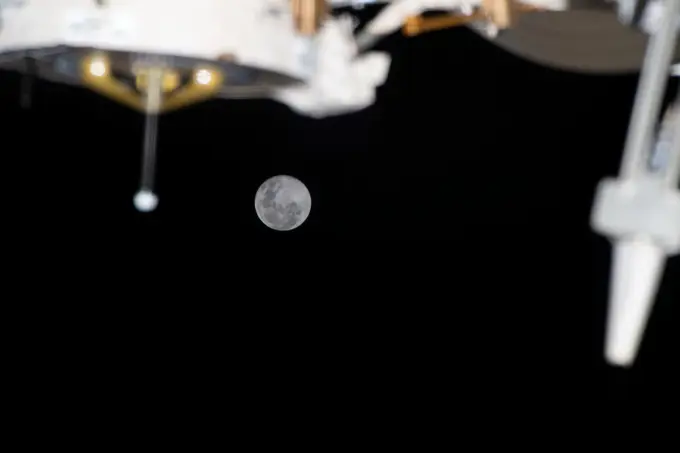
iss064e048273 (March 28, 2021) --- A Full Moon is pictured above the Earth's horizon as the International Space Station orbited 262 miles over China.
6188-56063155
The moon, March 16, 2019 Moon closeup showing the details of the lunar surface. March 16, 2019 Copyright: xZoonar.com/DavidxAcostaxAllelyx 21207928
4409-17484260
Carte photographique de la lune. Dated: 1904. Dimensions: image: 31.59 x 26.35 cm (12 7/16 x 10 3/8 in.) plate: 38.58 x 30 cm (15 3/16 x 11 13/16 in.) sheet: 48.9 x 37.94 cm (19 1/4 x 14 15/16 in.). Medium: photogravure. Museum: National Gallery of Art, Washington DC. Author: Charles le Morvan.
6188-65180764
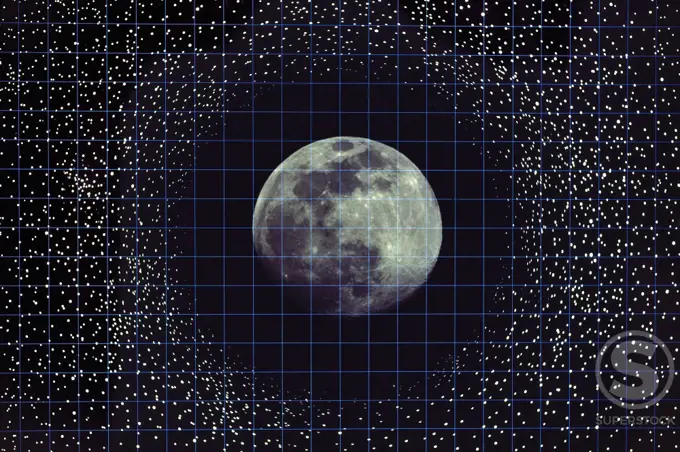
moon Full Moon in High Resolution with stars in the background Copyright: xZoonar.com/gannaxacheretx 1246952
6145-45291195
iss064e048655 (March 30, 2021) --- A waning gibbous Moon is pictured above the Earth's horizon as the International Space Station orbited 269 miles above the Atlantic Ocean off the coast of Argentina.
6188-65179827
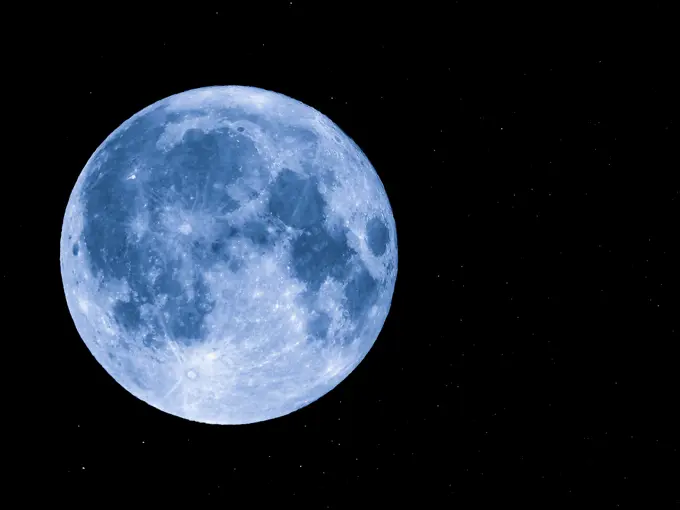
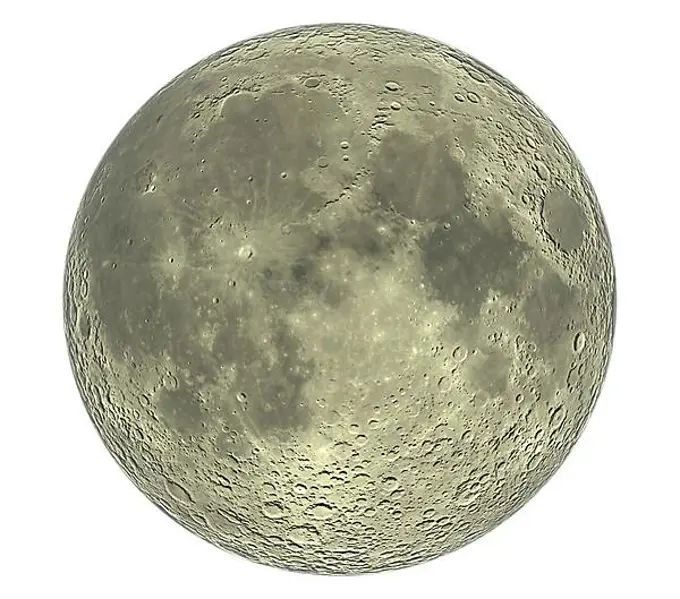
Full moon The full moon in the night sky Copyright: xZoonar.com/gannaxacheretx 4003343
4239R-6063
A saxing crescent moon in high resolution.
6145-44687740
Approaching Iapetus
6145-44499869
STS103-E-5040 (21 December 1999) --- This photo of the Moon over the airglowof Earth's atmosphere was taken by the STS-103 crew members aboard Discovery.  Time of the electronic still camera's (ESC) image was 15:15:41 GMT, Dec. 21, 1999.
6145-44662881
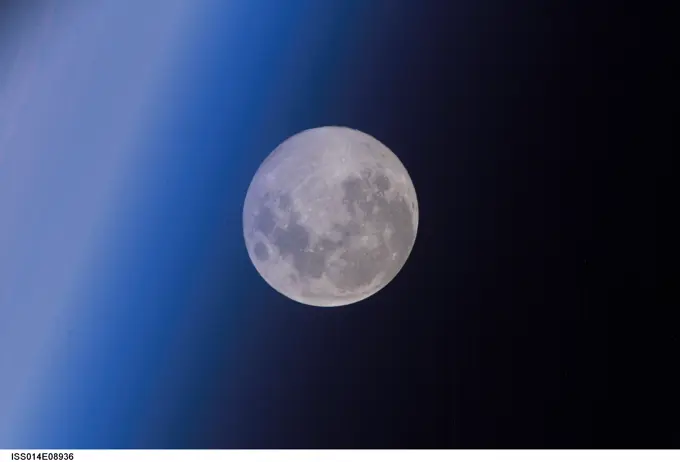
ISS014-E-08936 (4 Dec. 2006) --- This view of a full moon was photographed by an Expedition 14 crewmember onboard the International Space Station. Earth's horizon and airglow are visible at left.
6177-V53547185
250-197
4389-310
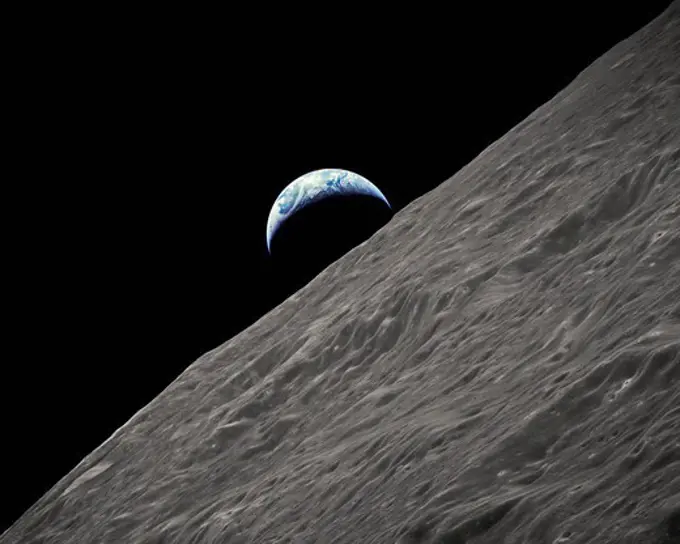
Apollo 17 - The Crescent Earth Rises
6145-45287175
iss064e026149 (Jan. 26, 2021) --- The waxing gibbous Moon is pictured from the International Space Station as it orbited 261 miles above the South China Sea.
1899-61030
The Moon As Seen From The Galileo Spacecraft.
6145-44599528
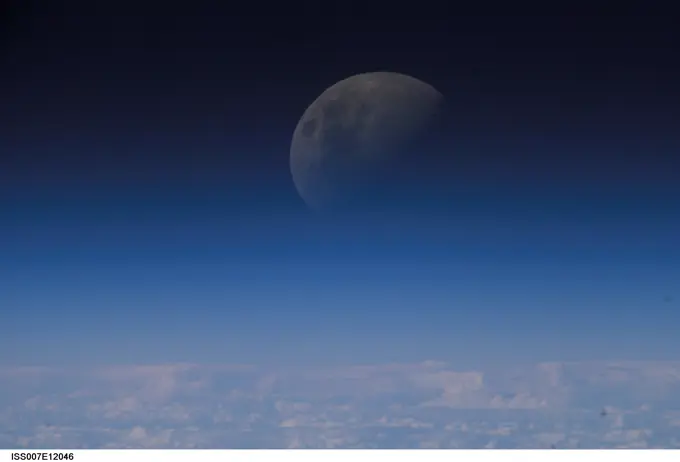
ISS007-E-12046 (5 August 2003) --- A gibbous moon is visible in this view of Earth’s horizon and airglow, photographed by an Expedition 7 crewmember onboard the International Space Station (ISS).
1746-21108119
View of Pluto, artist's impression based on 2015 NASA image.
6188-55589327
Moon and stars Full moon with stars - seen through my own telescope no NASA images used Copyright: xZoonar.com/adminx 9113586
4389-2018
Moon's South Pole-Aitken Basin
4128R-11322411
At the extreme poles of the Moon, the Sun appears so low down on the horizon that some craters have floors which are in perpetual shadow, as in this i...
6145-52961180
. iss068e026678 (Dec. 4, 2022) --- The waxing gibbous Moon is pictured above Earth's horizon from the International Space Station as it orbited 261 miles over the northern Pacific Ocean. At the time of this photograph the Orion vehicle on the Artemis I mission was almost 24,000 miles away from the Moon and approximately 222,200 miles from Earth traveling at a speed of 3,076 miles per hour.
6145-52930751
. iss068e039237 (Jan. 12, 2023) - The Full Moon is pictured from the International Space Station as it orbited 262 miles above the Indian Ocean off the coast of Madagascar.
1849-66221593
Planet earth between the sun and the moon from space
6145-44885518
Debussy (red), Debussy (green), Debussy (blue)
6145-45155628
iss055e000039 (Feb. 28, 2018) --- A waxing gibbous moon was pictured above the Earth's limb as the International Space Station orbited over the southern Indian Ocean just southwest of the African continent.
4239R-932
Close up view of the Moon
6145-45233157
AS17-152-23274 (7-19 Dec. 1972) --- The crescent Earth rises above the lunar horizon in this spectacular photograph taken from the Apollo 17 spacecraft in lunar orbit during National Aeronautics and Space Administration's
6145-44810487
089 nature moon 237
6145-45147923
The International Space Station, with a crew of six onboard, is seen in silhouette as it transits the Moon at roughly five miles per second, Saturday, Dec. 2, 2017, in Manchester Township, York County, Pennsylvania. Onboard are NASA astronauts Joe Acaba, Mark Vande Hei, and Randy Bresnik; Russian cosmonauts Alexander Misurkin and Sergey Ryanzansky; and ESA astronaut Paolo Nespoli.
5507-49029743
Moon in space in the background of the planet
1525-27022671
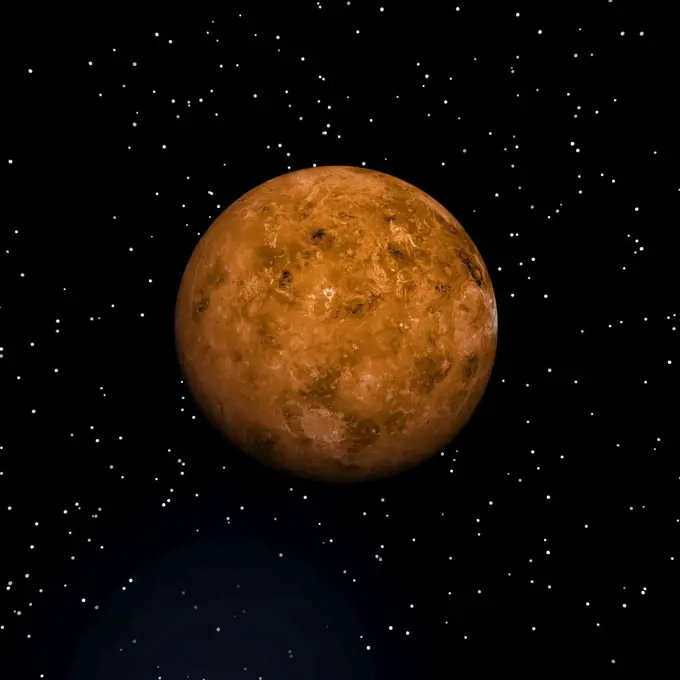
Digital Illustration of Planet Venus
6145-44546648
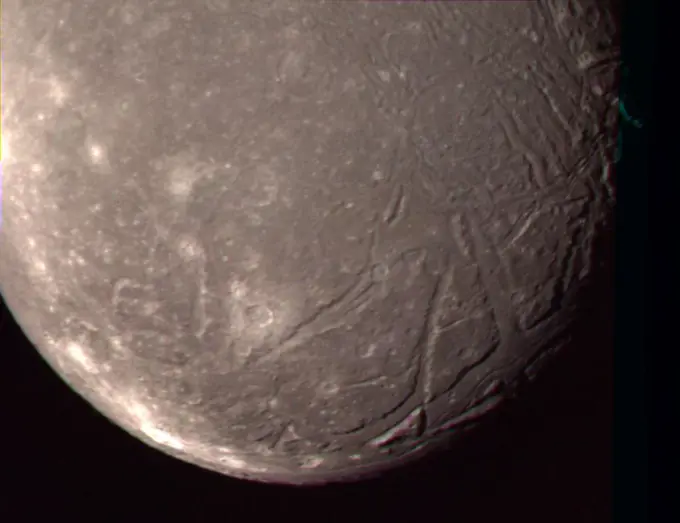
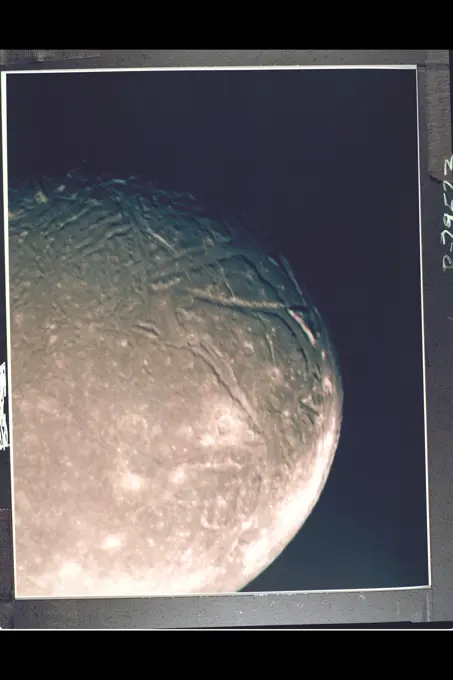
On Jan. 24, 1986, NASA's Voyager 2 obtained this color picture of the Uranian moon, Ariel. Most of the visible surface consists of relatively intensely cratered terrain transected by fault scarps and fault-bounded valleys (graben).
6145-45233146
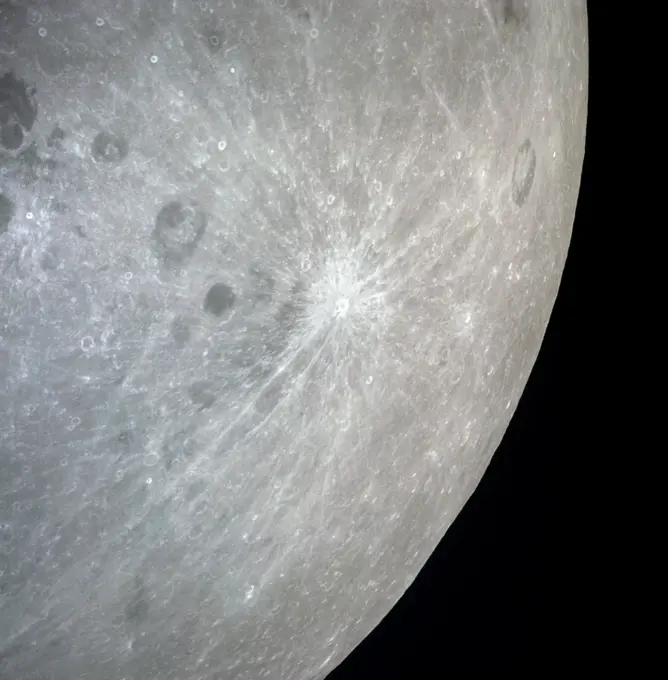
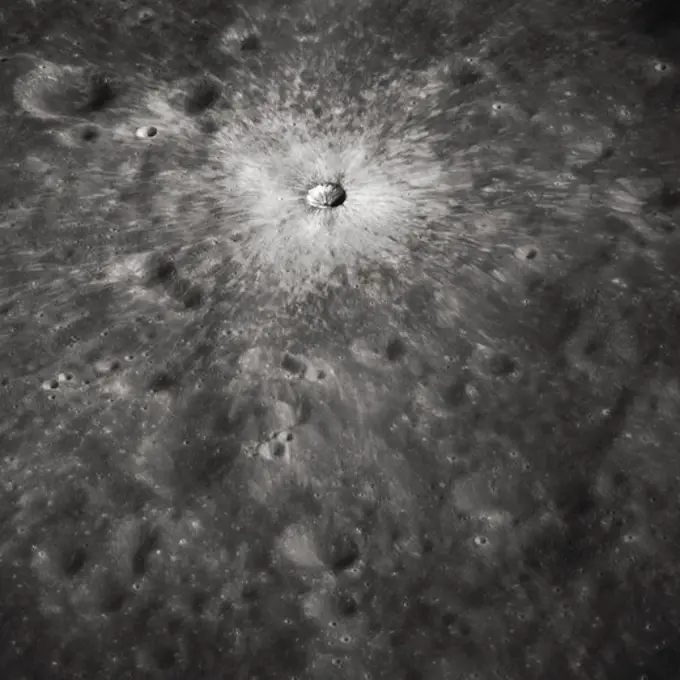
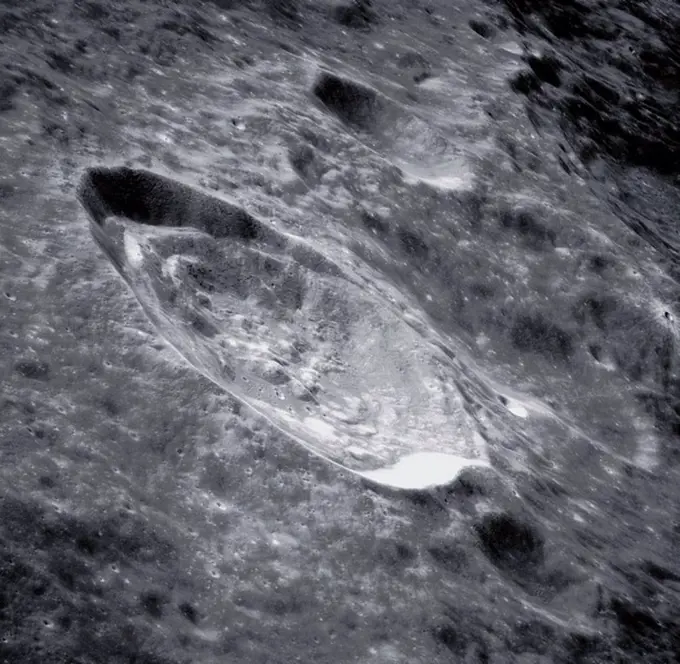
AS13-60-8675 (April 1970) --- This bright-rayed crater on the lunar farside was photographed from the Apollo 13 spacecraft during its pass around the moon. This area is northeast of Mare Marginus. The bright-rayed crater is located at about 105 degrees east longitude and 45 degrees north latitude. The crater Joliot-Curie is located between Mare Marginus and the rayed crater. This view is looking generally toward the northeast.
4378-435
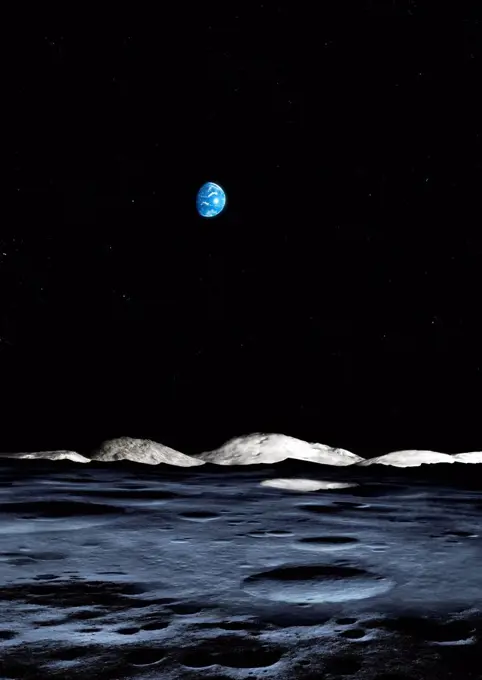
The moon with the planet earth visible in the background.
4128-15979418
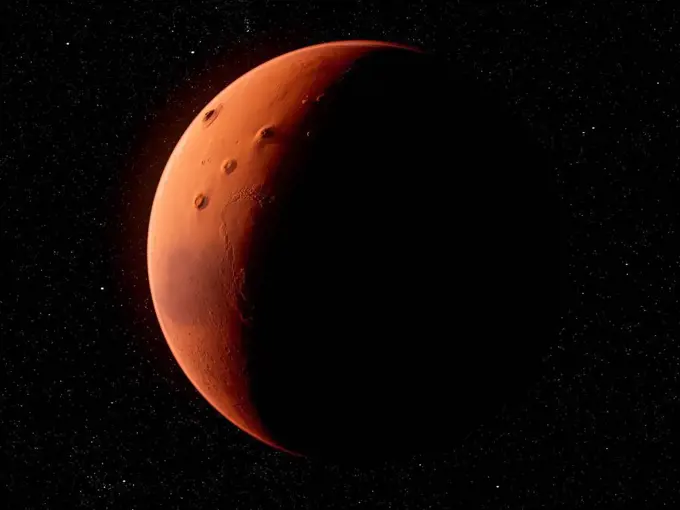
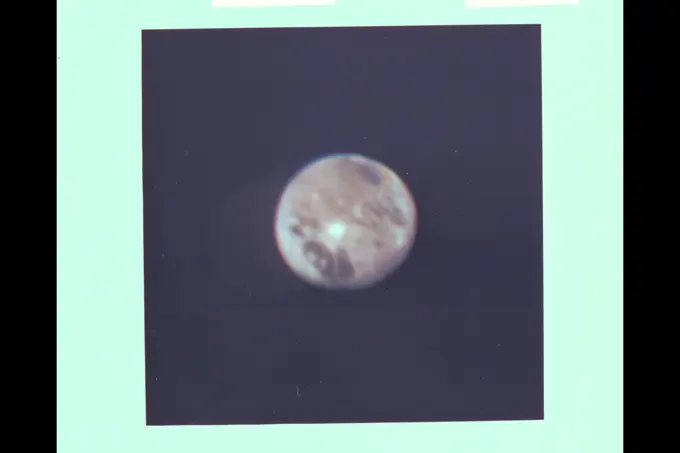
Mars, computer illustration.
40-5274A
1899-19513248
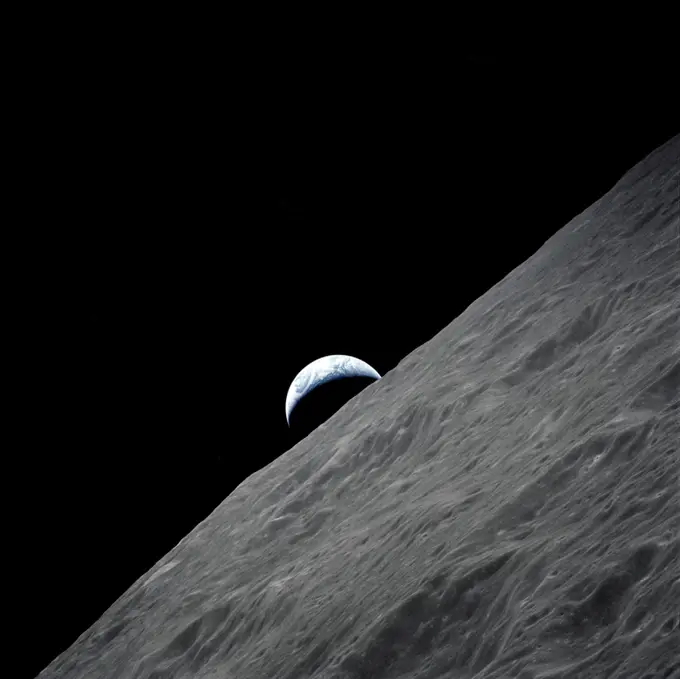
(7-19 Dec. 1972) --- The crescent Earth rises above the lunar horizon in this spectacular photograph taken from the Apollo 17 spacecraft in lunar orbit during the final lunar landing mission in the Apollo program.
1525-26793290
Earth space shot of milky way galaxy
6145-44810528
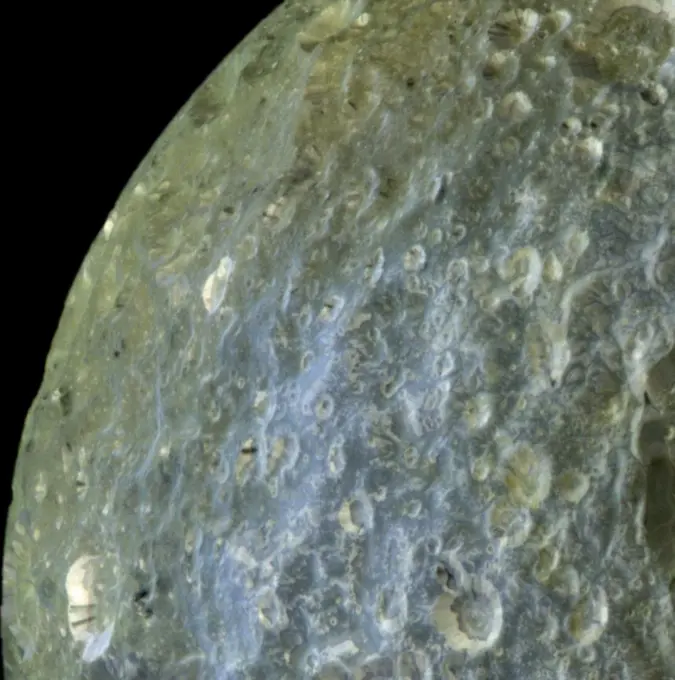
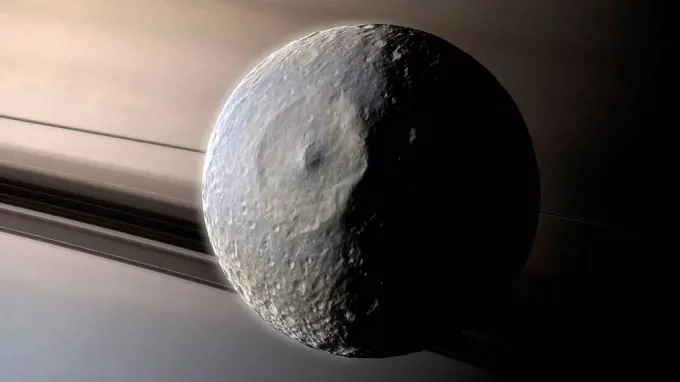
A false-color view of Saturn's moon Mimas from NASA's Cassini spacecraft accentuates terrain-dependent color differences and shows dark streaks running down the sides of some of the craters on the region of the moon that leads in its orbit around Saturn.
6145-44736943
P-21744 C Range 4.2 million kilometers (2.6 million miles) In this image of Europa acquired by Voyager 2, global scale dark streaks are becoming visible. Europa, the size of the earth's moon, is apparently covered by water ice as indicated by ground based spectrometers and its brightness. The central longitude of this view is 235° west. Bright rayed impact craters which are abundant on ancient Ganymede and Callisto would easily be visible at this range. The suggestion is that Europa's surface is young and that the streaks are reflections of currently active internal dynamic processes.
6188-66495610
The Moon Man holding the Moon in his hands. Moon image provided by NASA. Copyright: xZoonar.com/J.xSandvikx 5902147
6145-44736937
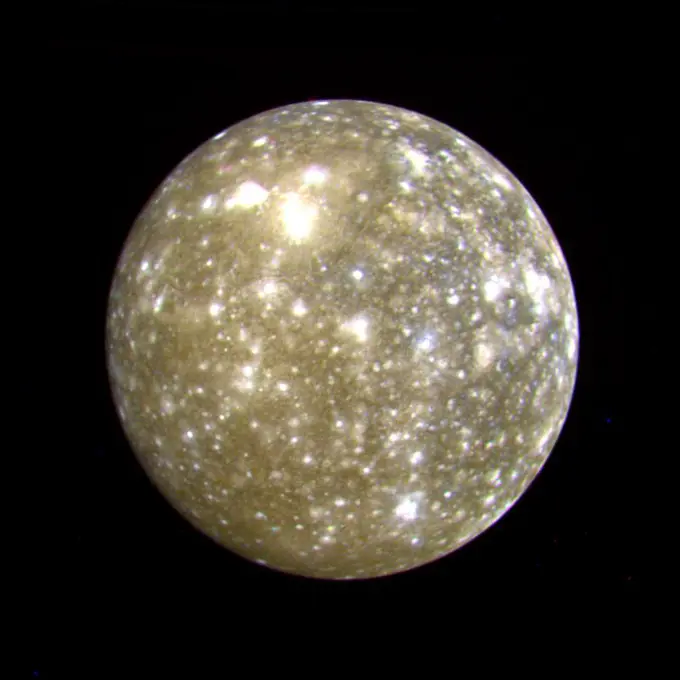
P-21740 C Range 2,318,000 kilometers (1,438,000 miles) This picture of Callisto taken by Voyager 2 shows the moon covered with bright spots which are metoerite impact craters--a fact originally discovered from the high resolution pictures taken by Voyager 1. Scientists believe that heavily cratered terrains like these on Callisto are indicative of ancient planetary surfaces. Voyager 2 mapped the side of Callisto not seen by Voyager 1. The obsure dark streaks in this area may be fault zones, but higher resolution pictures are needed for identification.
6145-44732932
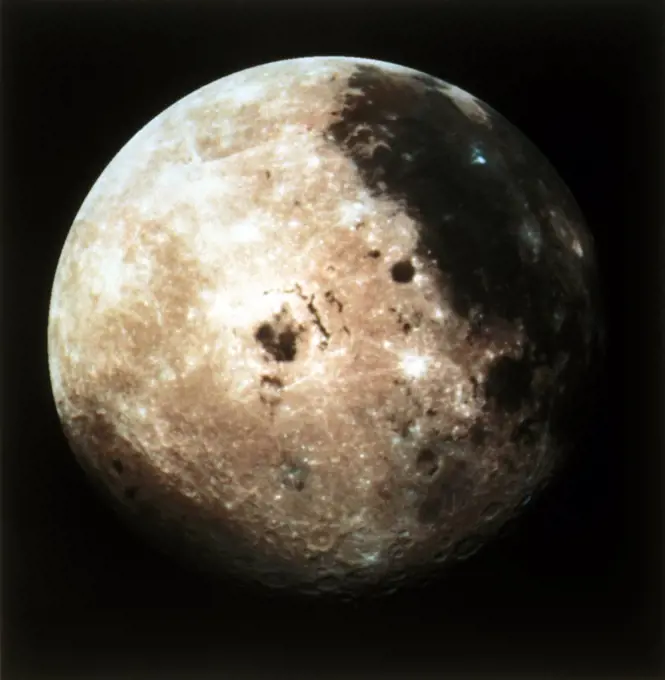
Eight days after its encounter with the Earth, the Galileo spacecraft was able to look back and capture this remarkable view of the Moon in orbit about the Earth, taken from a distance of about 6.2 million kilometers (3.9 million miles). The picture was constructed from images taken through the violet, red, and 1.0-micron infrared filters. The Moon is in the foreground, moving from left to right. The brightly-colored Earth contrasts strongly with the Moon, which reflects only about one-third as much sunlight as the Earth. Contrast and color have been computer-enhanced for both objects to improve visibility. Antarctica is visible through clouds (bottom). The Moon's far side is seen; the shadowy indentation in the dawn terminator is the south-Pole/Aitken Basin, one of the largest and oldest lunar impact features. Alternate Jet Propulsion Laboratory (JPL) number is P-41508. View appears in the Space News Roundup v32 n1 p1, 01-11-93.
1848-49377340
Telescope looking at the sky
4389-2462
Earth's Moon
4048-8629
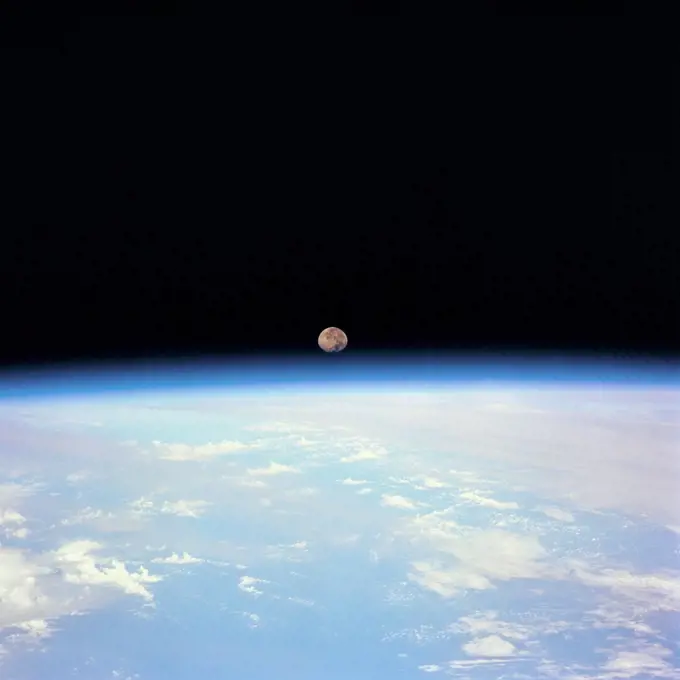
Moon set and Earth horizon taken from Space Shuttle Discovery. July 14, 1995.
6145-44514004
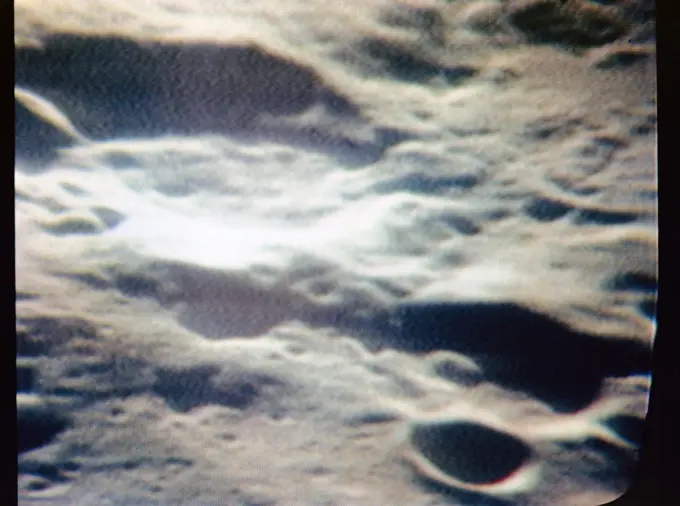
S69-34476 (21 May 1969) --- An oblique view of a group of craters just west of the Sea of Fertility (Mare Fecunditatis) on the lunar nearside is seen in this color reproduction taken from a telecast made by the color television aboard the Apollo 10 spacecraft as it orbited the moon. In this area are Gutenberg I, Capella A, Capella D, Capella E, and Capella M.
1848-50711483
Space Background With Stars And Moon
6145-45100043
Saturn's rings are so expansive that they often sneak into pictures of other bodies from NASA's Cassini spacecraft. Here, they appear with the planet in a picture taken during a close flyby of Dione.
6145-44738602
Range 170,000 km. ( 105,000 mi. ) Resolution 3 km. ( 2 mi. ) P-29523C This Voyager 2 photograph of the Uranian Moon Ariel, is the best quality to date. This view of Ariel's southern hemisphere is a composite of photographs taken through green, blue, and violet filters from the narrow angle camera. Most of the visible surface consists of relatively intensely cratered terrain transected by fault scarps and fault bounded valleys (graben). Some of the largest valleys, which can be seen near the terminator (at right), are partly filled with younger deposits that are less heavily cratered. Bright spots near the limb and toward are chiefly the rims of small craters. Most of the brightly rimmed craters are too small to be resolved here, although one about 30 km. (20 mi.) in diameter can be easily distiguished near the center. These bright-rim craters, thogh the youngest features on Ariel, probably have formed over a long span of geological tome. Although Ariel has a diameter of abou 1,200 km.
4128R-13590747
Impression of the gas giant planet Saturn, with the rings seen edge on. Sunlight filtered through the rings has stained the lower hemisphere a shade o...
6177-V54005911
6145-44733205
STS126-S-042 (14 Nov. 2008) --- The moon is seen rising above the Space Shuttle Endeavour (STS-126) on pad 39A Friday, November 14, 2008, at the Kennedy Space Center in Cape Canaveral, Fla. The Shuttle lifted off from launch pad 39A at 7:55 p.m. (EST).
4389-305
Apollo 17 - Moon Crater with Bright Ejecta
6145-44549205
Callisto False Color
6145-44736908
Range 5 million miles (8.025 million kilometers) This is a morning shot of Ganymede, largest of Jupiter's 13 satellites. It's slightly larger than Mercury with a density about twice that of water. It's believed to be made of rock and ice with a surface of water and ice. Ganymede is 4 times brighter than our Moon with the bright spot in center of photo 5 times brighter than the Moon, and may contain more ice than surrounding areas. The bright pattern around the spot seems like ray craters on the Moon and Mercury and the area may in fact be an impact crater that has exposed fresh, underlying ice. Photo taken through blue, green and orange filters.
4128R-13575783
Amalthea is a moon of Jupiter, the third closest to the planet at 181365 km away (about 2.6 Jupiter radii from the centre of the planet). At just 250 ...
1838-51330361
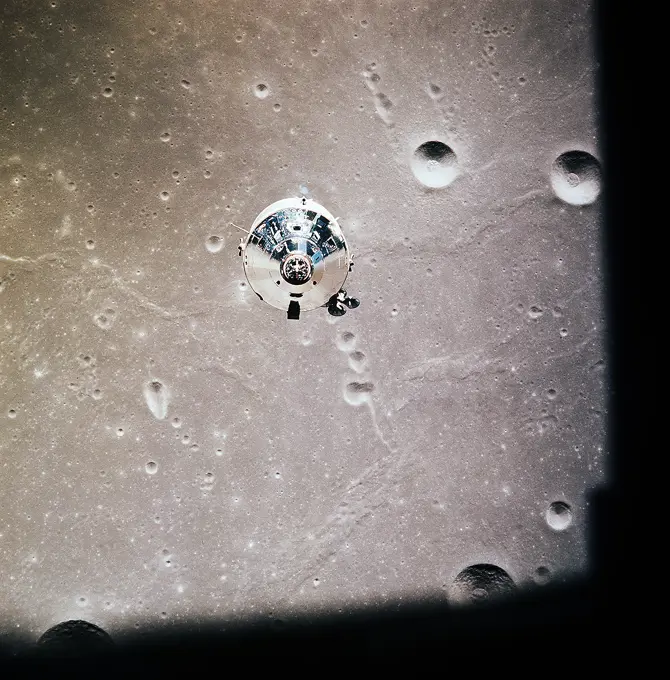
The Apollo 11 Command and Service Modules photographed from Lunar Module in lunar orbit during Apollo 11 lunar landing mission, lunar surface below is in north-central Sea of Fertility, Johnson Space Center, NASA, July 20, 1969
4239R-20483154
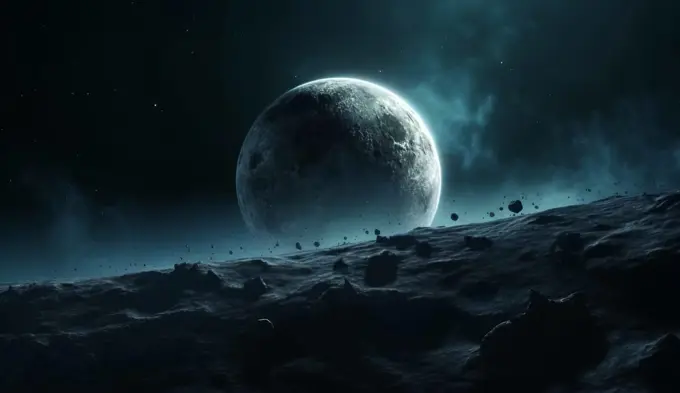
An artist's illustration of a blue moon rising over a calm alien ocean with a starry sky as a backdrop.
6145-44466860
The SpaceX Dragon Endeavour crew ship carrying four Axiom Mission 1 astronauts approaches the International Space Station less than a day after launching from NASA's Kennedy Space Center in Florida. Pictured above Endeavour is the first quarter Moon as both spaceraft were orbiting 259 miles above the Atlantic Ocean off the coast of Morocco.
6188-55587690
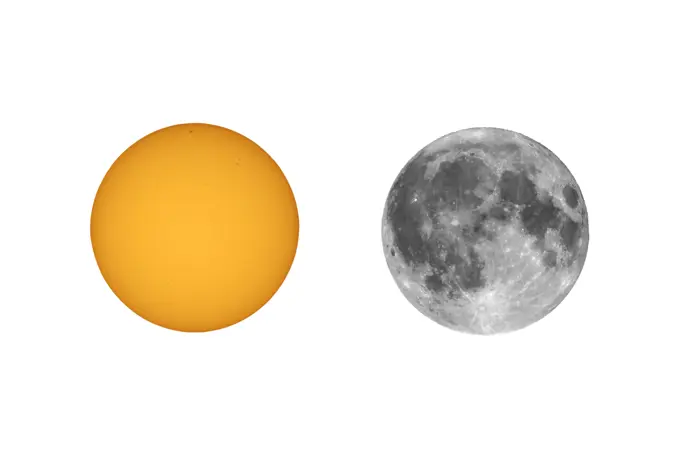
Sun with sunspots seen with telescope The Sun with sunspots and Full Moon seen with telescope from planet Earth Collage of two real photos taken with my own telescope isolated over white, no NASA images used Copyright: xZoonar.com/ClaudioxDiviziax 8654595
1848-49521928
Digitally rendered planet mercury isolated on white
4128R-616
Crater Einthoven
6145-29733930
Panorama of Moon Surface, from Apollo 16 Mission April 1972 National Aeronautics and Space Administration (NASA) American Beginning in 1968, NASA officials put great stress on the importance of creating an accurate atlas of the lunar surface by means of photography. To do so, they used extensive and technologically advanced camera equipment, most of which was designed to work with a remote human operator. This panoramic photograph was made with such equipment during the Apollo 16 mission, which launched on April 16, 1972. NASA's commitment to photography proved popular with general audiences as well as scientifically useful. In large part, that popularity reflects the widespread interest in everything connected to space exploration during the late 1960s and early 1970s, but the photographs are fascinating in their own right. Although we may be tempted to call them landscapes, the photographs are utterly unlike those of earth, exhibiting none of the traditional markers of scale, such
6188-63329127
Hands cupping holding our moon Two hands cupping the moon. Our moon is a dry orb whose surface is studded with craters and strewn with rocks and dust called regolith. The moon has no atmosphere Moon image December 7 1992. The dark areas are lava rock filled impact basins. The colour is due to the ccd being sensitive to infrared wavelengths of light beyond human vision. ,model released, Symbolfoto Copyright: xZoonar.com/Leah-AnnexThompsonx 2888270 ,model released, Symbolfoto ,property released
6188-64697428
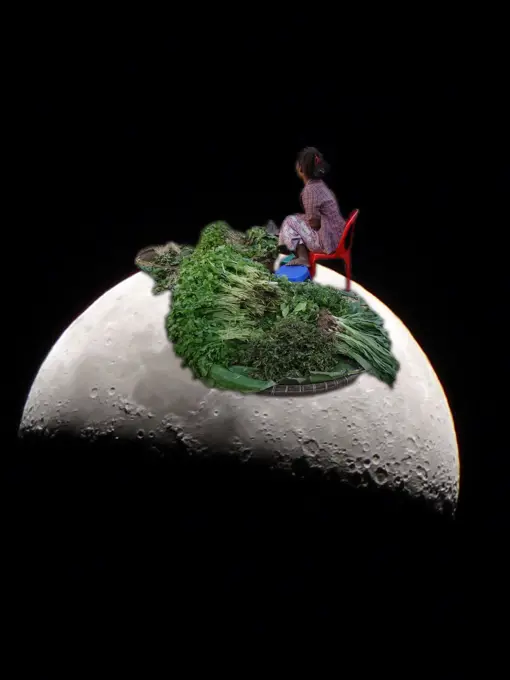
Marketplace Moon Birmesian Market Frau on the moon - Fun
6145-45095210
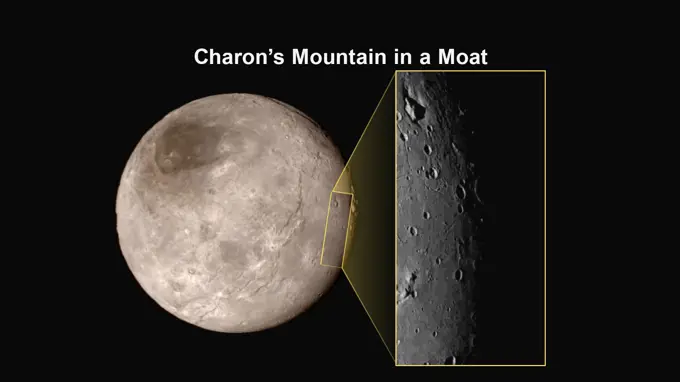
This image, taken by NASA's New Horizons, is of an area on Pluto's largest moon Charon featuring a captivating feature-a depression with a peak in the middle, shown here in the upper left corner of the inset.
6145-45270566
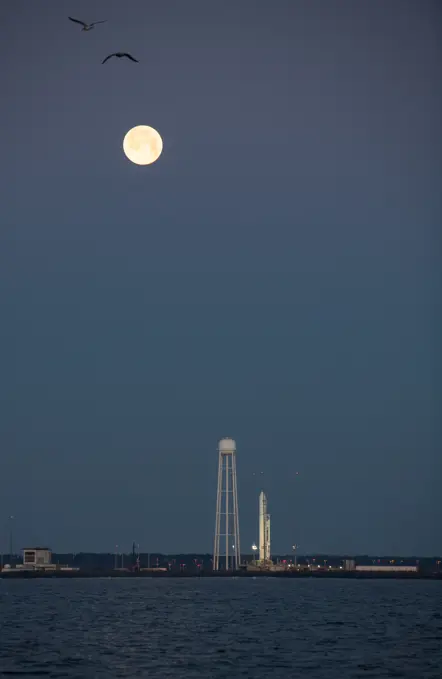
A Northrop Grumman Antares rocket carrying a Cygnus resupply spacecraft is seen early in the morning as the Moon sets on Pad-0A, Sunday, Feb. 9, 2020, at NASA's Wallops Flight Facility in Virginia. Northrop Grummans 13th contracted cargo resupply mission with NASA to the International Space Station will deliver more than 7,500 pounds of science and research, crew supplies and vehicle hardware to the orbital laboratory and its crew. The CRS-13 Cygnus spacecraft is named after the first African American astronaut, Major Robert Henry Lawrence Jr..
1848-51513084
Mirador astronomico, La Muralla, Tijarafe, La Palma, Spain, Europe
6188-56075521
Japanese Lunar Exploration Program. Planetary rover with Moon and Japanese flag. 3D rendering Japanese Lunar Exploration Program. Planetary rover with Moon and Japanese flag. 3D rendering isolated on white background Copyright: xZoonar.com/alexlmxx 21227780
PREVIOUS
of 1
NEXT
2401 S. Ervay, Suite 206
Dallas, Texas 75215
United States
Browse
CategoriesGalleriesFree Research
For Creators
License Your ContentSuperStock For StudentsFrame of Mind BlogContributor PortalNew Image SpotlightLicense AI Imagery
Resources
About UsLicensingTerms & ConditionsAPI AccessPrivacyPricing
Contact
+1 866 236 0087help@superstock.com Contact form
©2026 SuperStock. All Rights Reserved. -B
This site is protected by reCAPTCHA and Google Privacy Policy and Terms of Service apply.