Fine ArtVintageFootageSubscriptionBoardsFree ResearchPricing
  • Fine Art
  • Vintage
  • Footage
  • Subscription
  • Boards
  • Free Research
  • Pricing

Historical Battle Helmets

A selection of battle helmets from different eras, highlighting craftsmanship, design, and function for aristocratic youth in warfare, reflecting ancient armor techniques.

Hat, 13 x 13 1/2 x 13 in. (33.02 x 34.29 x 33.02 cm), Silver, China
90 assets in this story
6145-29713141
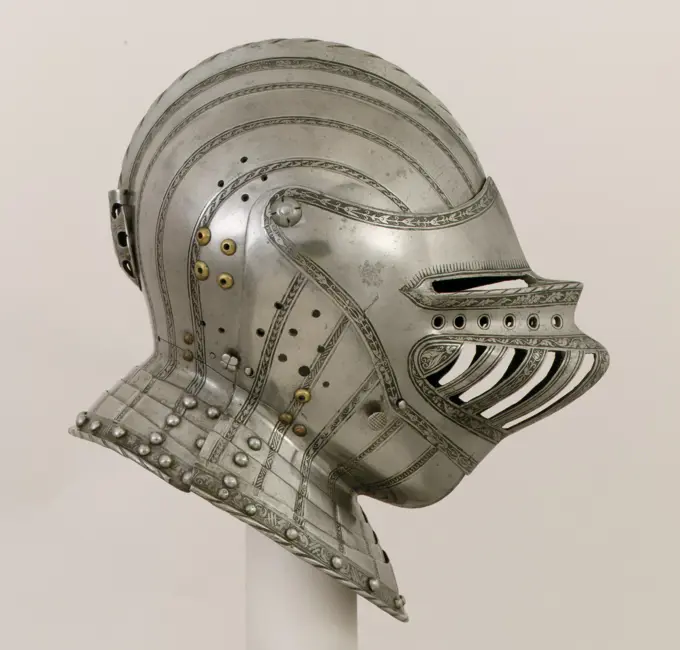
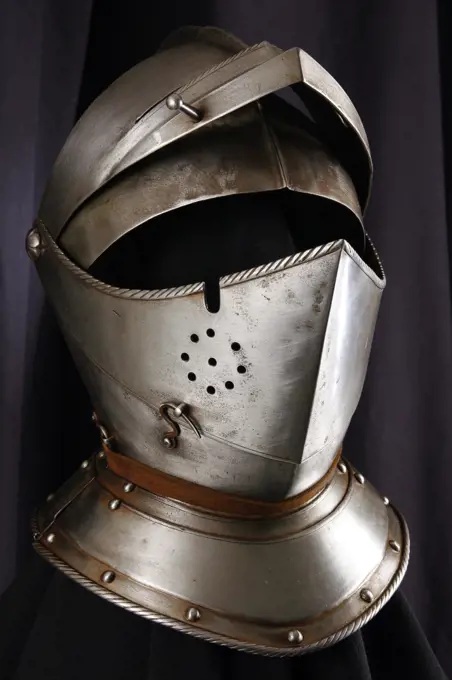
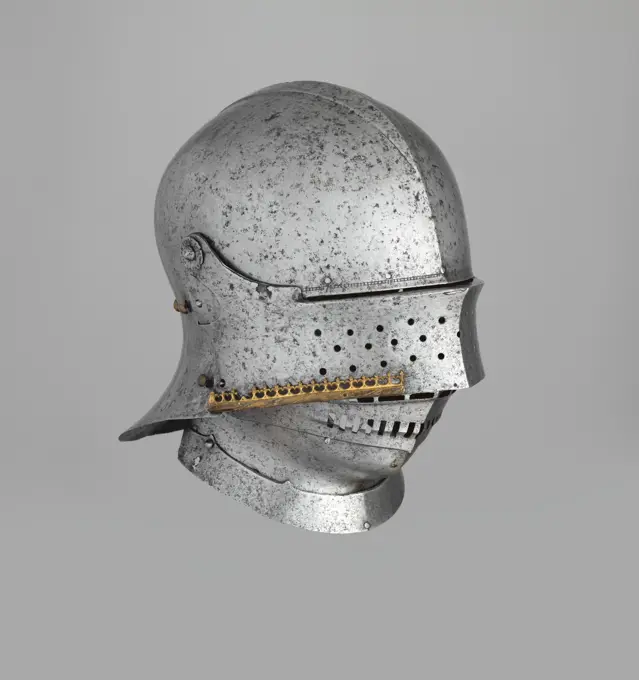
Close Helmet for a Boy ca. 1530-40 Attributed to Kolman Helmschmid German Male children of aristocratic families were traditionally trained in the arts of horsemanship and fencing and began wearing armor at an early age. This finely wrought helmet, the openwork visor of which is clearly not intended for dangerous sport, was made for a boy. The distinctive one-piece visor, with its curved profile and etched ornament in the style of Daniel Hopfer, recalls late works by Kolman Helmschmid of Augsburg.. Close Helmet for a Boy. German, Augsburg. ca. 1530-40. Steel, leather, copper alloy. Augsburg. Helmets
6145-29188087
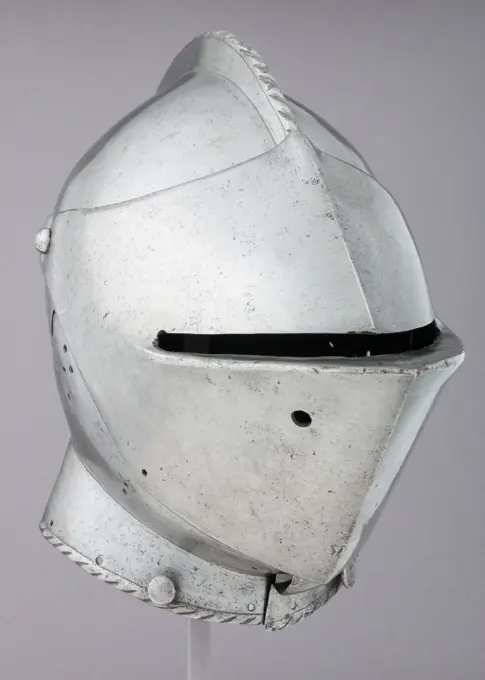
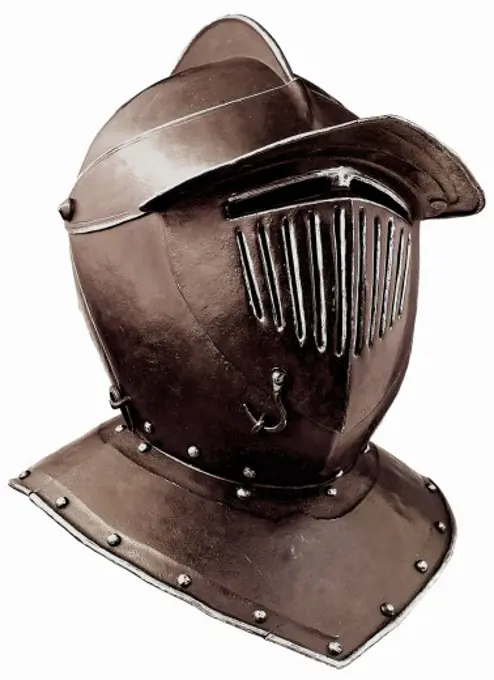
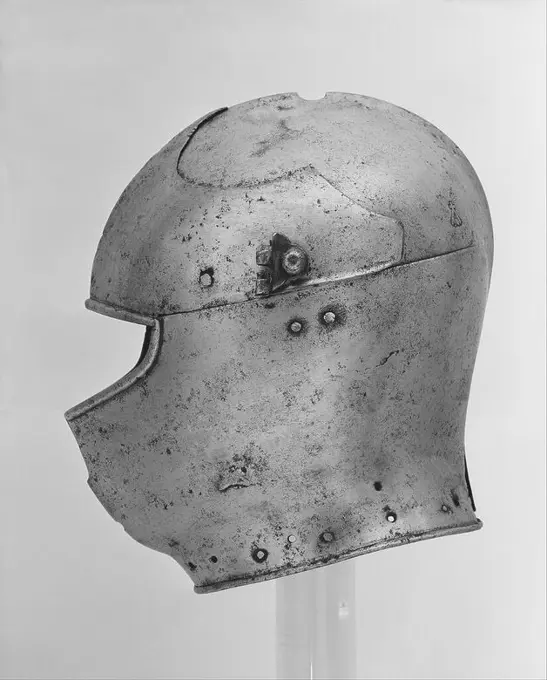
Close-Helmet for the Field ca. 1620-30 French The two-piece construction of the helmet bowl, the scalloped edges of the plates, and the distinctive snub-nosed profile of the visor recall French helmets of about 1620-30. The reinforcing shot-proof plates screwed to either side of the bowl, which add 3 pounds 10 ounces (1675 g) to the overall weight, are rare on close-hlemets for cuirassiers. Beneath the reinforces, the original smooth blue-black surface of the bowl is preserved.. Close-Helmet for the Field 26524
4409-17427352
Close Helmet. Culture: French. Dimensions: H. 21 in. (53.5 cm); W. 11 1/2 in. (29.2 cm); D. 13 in. (33 cm); Wt. 7 lb. 11 oz. (3487 g). Date: ca. 1630. Museum: Metropolitan Museum of Art, New York, USA.
6145-29714795
Armet first half 16th century French. Armet. French. first half 16th century. Steel. Helmets
6145-29744144
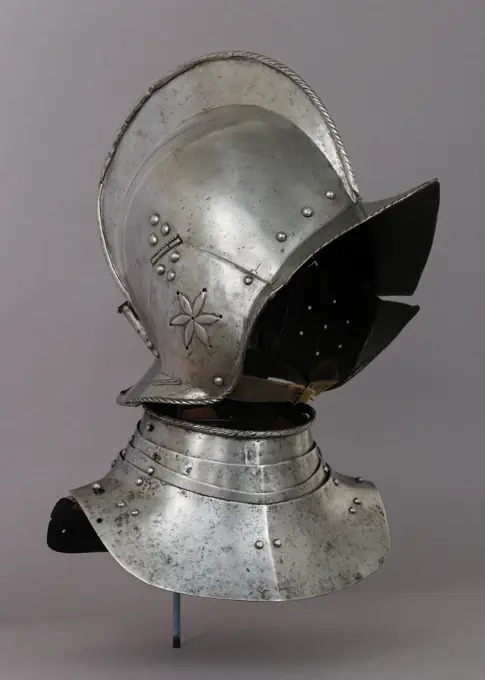
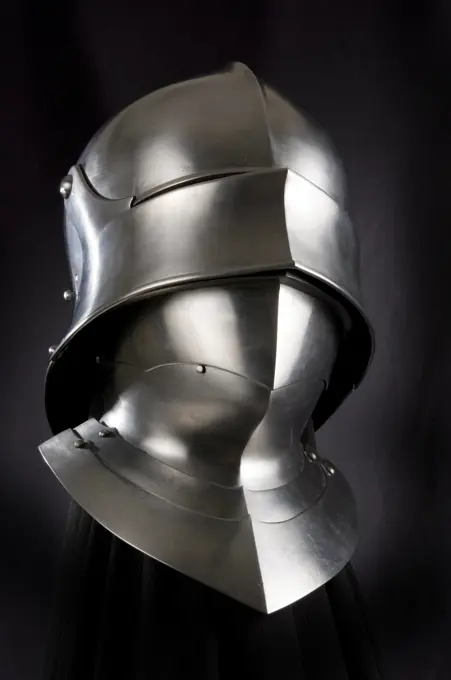
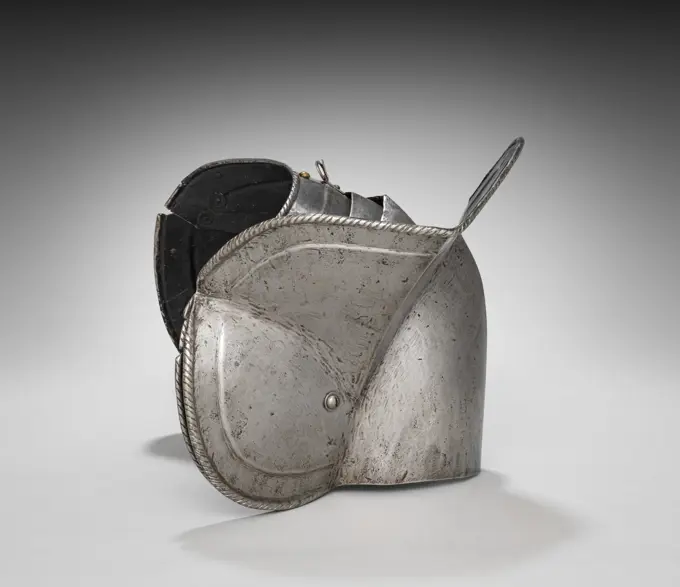
Helmet and Gorget ca. 1525-75 German. Helmet and Gorget. German. ca. 1525-75. Steel, leather, copper alloy. Armor Parts
4443-28725854
Hat, 13 x 13 1/2 x 13 in. (33.02 x 34.29 x 33.02 cm), Silver, China
1525-22481906
Armour of the medieval knight. Metal protection of the soldier against the weapon of the opponent
4409-17389620
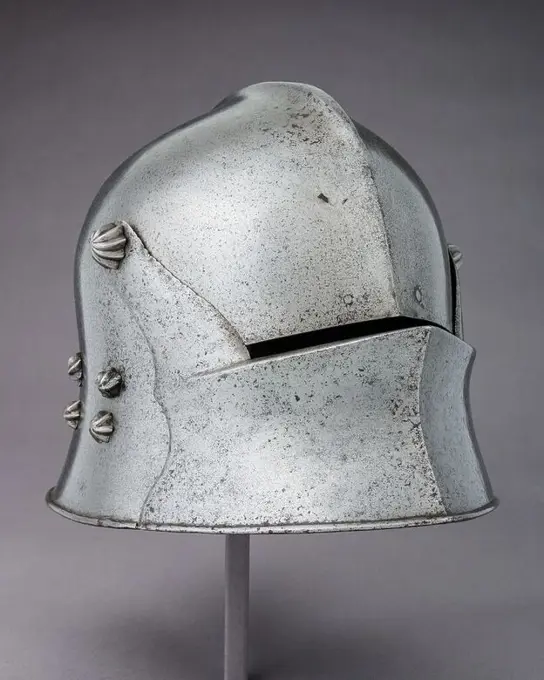
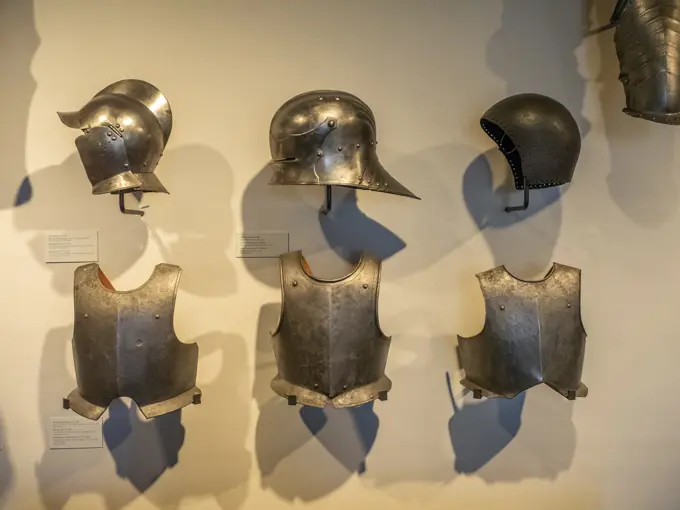
Sallet. Culture: German. Dimensions: H. 10 1/2 in. (26.7 cm); W. 9 1/4 in. (23.5 cm); D. 15 1/4 in. (38.7 cm); Wt. 7 lb. 2.1 oz. (3234.7 g). Date: 1475. Museum: Metropolitan Museum of Art, New York, USA.
1525-19887218
Iron helmet of the medieval knight. Very heavy headdress
6145-29165908
Breastplate third quarter 16th century North German, possibly Brunswick. Breastplate 22996
6145-29187978
Helmet 18th-19th century Indian. Helmet 32130
6188-63816259
Armour Armour of the medieval knight. Metal protection of the soldier against the weapon of the opponent Copyright: xZoonar.com/ValeryxxSibrikovx 2425277
6145-29165907
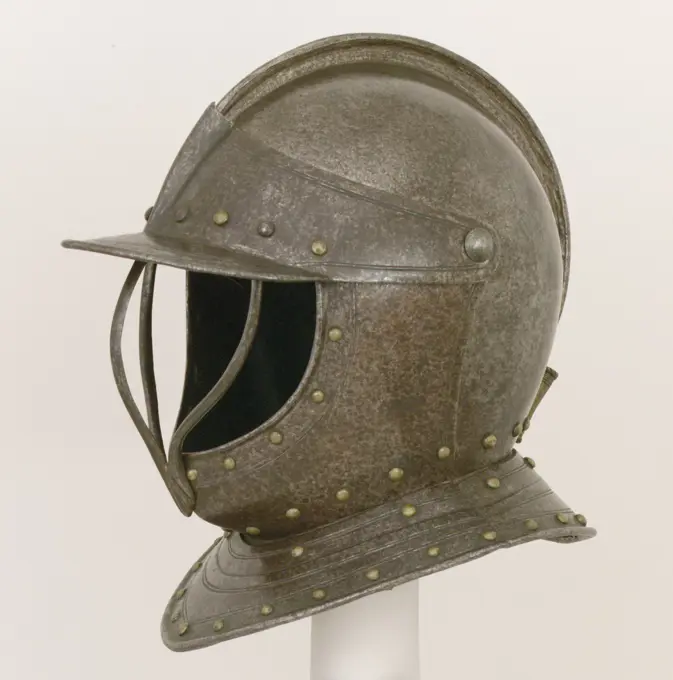
Closed Burgonet ca. 1620-30 Dutch This simple but handsome example was originally blued or blackened; the barred face defense and pivot hooks on the right side are gilt. The triple-barred visor and the single collar lame at the front and back, each shaped and engraved to suggest several articulated lames, are features frequently found on Dutch armors of the period.. Closed Burgonet. Dutch. ca. 1620-30. Steel, gold, brass. Helmets
6188-63816255
Armour Armour of the medieval knight. Metal protection of the soldier against the weapon of the opponent Copyright: xZoonar.com/ValeryxxSibrikovx 2425272
6145-45558115
Przeszo Przyszoci unknown
4409-17391537
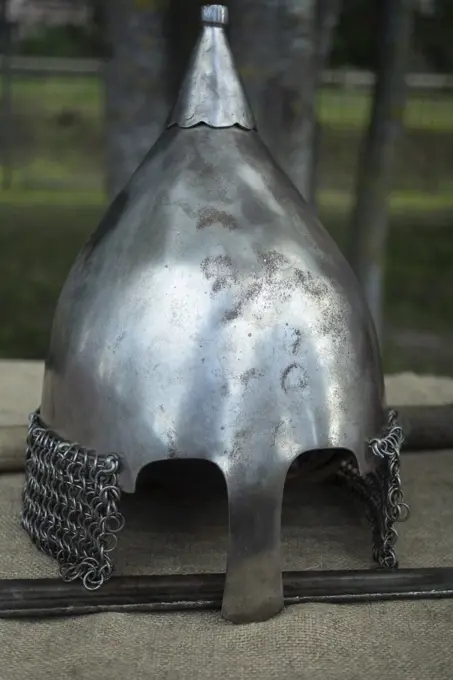
Helmet (Khula Khud). Culture: Persian, Qajar. Dimensions: H. including mail 25 in. (63.5 cm); H. including nasal 15 1/4 in. (38.7 cm); H. excluding mail and nasal 10 1/2 in. (26.7 cm); Diam. 7 1/2 in. (19.1 cm); Wt. 3 lbs. 14.8 oz. (1780.4 g). Date: 19th century. Museum: Metropolitan Museum of Art, New York, USA.
6145-45331879
Miniature model of pseudo Renaissance armour
1525-21019915
Iron helmet of the medieval knight. Very heavy headdress
4409-17547042
Bevor with two Gorget Plates. Spanish. Date: 1450-1550. Dimensions: . Steel. Origin: Spain. Museum: The Chicago Art Institute, Chicago, USA.
4409-17416530
Sallet. Armorer: Kaspar Riederer (Austrian, Innsbruck and Mühlau, active 1455-99). Culture: Austrian, Innsbruck or Mühlau. Dimensions: H. 9 1/2 in. (24.13 cm); W. 9 in. (22.86 cm); D. 14 7/8 in. (37.77 cm); Wt. 6 lb. 8 oz. (2948 g). Date: ca. 1480. Museum: Metropolitan Museum of Art, New York, USA.
4409-17419924
Siege Helmet. Culture: French. Dimensions: H. including nasal 12 1/4 in. (31.1 cm); H. excluding nasal 11 1/4 in. (28.6 cm); W. 10 in. (25.4 cm); D. 13 9/16 in. (34.4 cm); Wt. 23 lb. (10.43 kg). Date: 17th century. Museum: Metropolitan Museum of Art, New York, USA.
4430-10108
weapons helmets visor helmet for cuirassiers German circa 1620,
6188-63816665
Iron helmet Iron helmet of the medieval knight. Very heavy headdress Copyright: xZoonar.com/ValeryxxSibrikovx 2476899
6145-59063739
Hence the bridge;  IV-III century BC (-400-00-00--201-00-00);Guttmann's deposit
6188-63839050
Iron helmet Iron helmet of the medieval knight. Very heavy headdress Copyright: xZoonar.com/VALERY-SIBRIKOVx 7138873
4409-17400331
Helmet. Culture: Indian, Deccan, probably Bijapur (Vijayapur). Dimensions: H. including nasal 12 in. (30.5 cm); H. including nape defense 10 in. (25.4 cm); H. excluding nasal and nape defense 5 1/2 in. (14 cm); W. 8 3/4 in. (22.2 cm); D. 11 in. (27.9 cm); Wt. 3 lb. 14.1 oz. (1760.5 g). Date: 17th century.The helmet is shaped in the form of a cloth turban. A steel plaque riveted at the top is inscribed in Arabic: "There is no hero like Ali and no sword like dhu'l-faqar." This refers to the son-in-law and cousin of the Prophet Muhammad and to the Prophet's sword, which he gave to Ali. Museum: Metropolitan Museum of Art, New York, USA.
1525-21379750
Tuscany, Italy. Detail of an original Medieval armour
6145-59504263
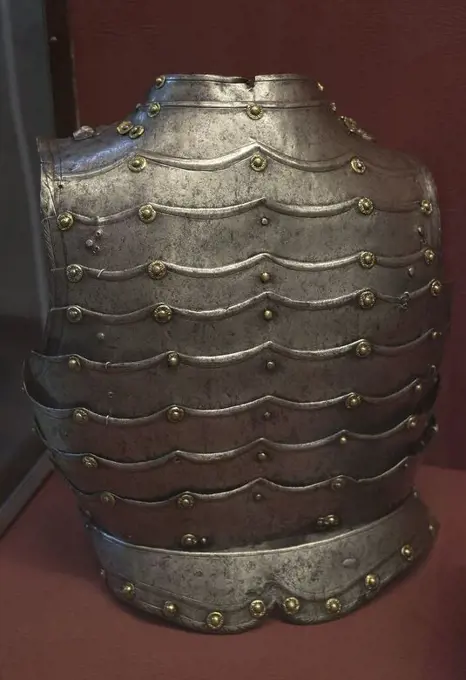
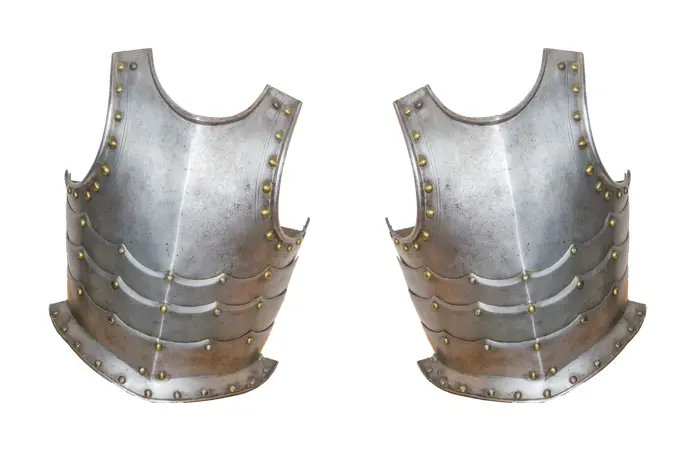
Back plate of Harquebusiers harness for a young man, c. 1610 - c. 1620  Harquebusiers's back plate for a young man. See Description Bestpiece  iron (metal)
6188-63816508
Iron helmet Iron helmet of the medieval knight. Very heavy headdress Copyright: xZoonar.com/ValeryxxSibrikovx 2454281
6145-29062573
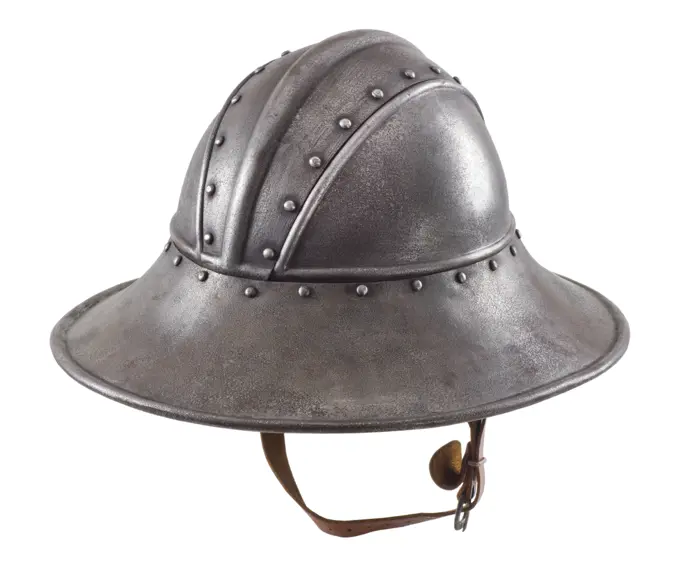
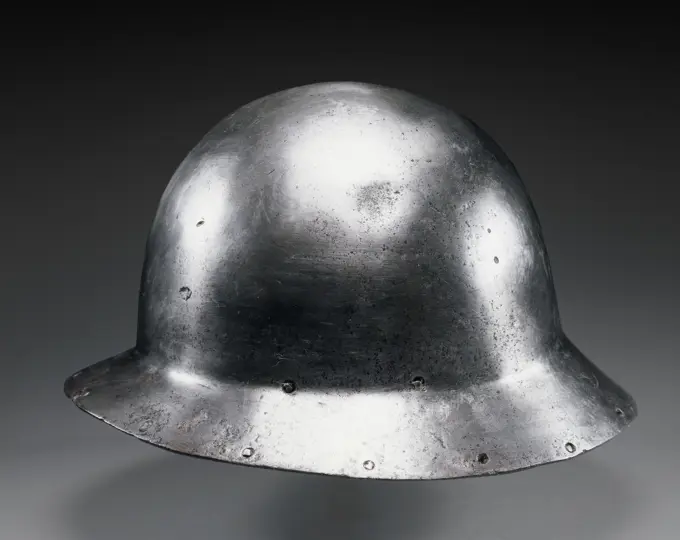
Kettle Hat (War Hat), c. 1460. Italy, 15th century. Steel; overall: 30.3 x 25.9 x 17.5 cm (11 15/16 x 10 3/16 x 6 7/8 in.). Open helmets like this one were used by medieval infantries. The helmet weighs 12-1/2 pounds. This unusual weight was required for siege purposessuch helmets were worn by the men who attempted to scale the walls of an armed town. The rivet holes along the ridge were for the attachment of the liner.
4409-63010463
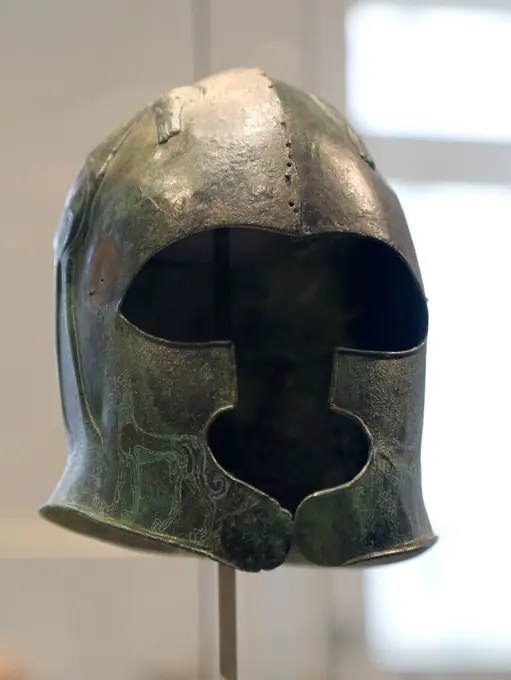
Bronze helmet. Cretan, late 7th century B.C. Greece. The Met. NY, USA.
1525-19895634
Iron helmet of the medieval knight. Very heavy headdress
6188-63816469
Iron helmet of the medieval knight. Very heavy headdress. Iron helmet of the medieval knight. Very heavy headdress. Copyright: xZoonar.com/ValeryxxSibrikovx 2449656
6145-30188783
Burgonet with Falling Buffe possibly from an Armor of William Herbert, Earl of Pembroke Made 1550-1560 Greenwich. Steel, gilding, and leather .
1746-19669955
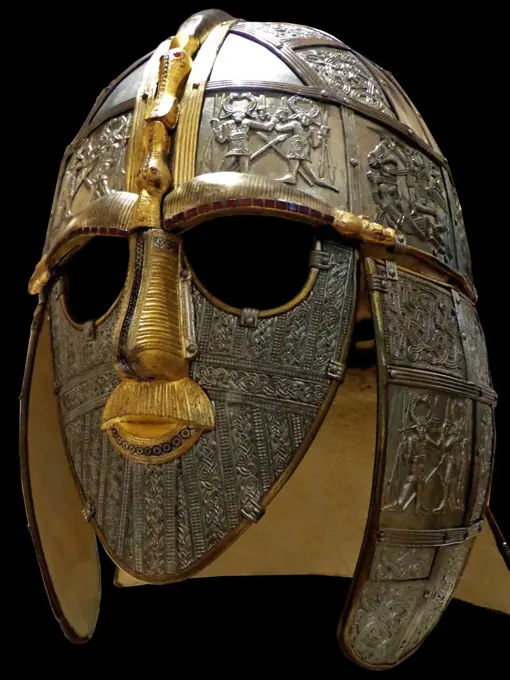
Replica of the Sutton Hoo helmet. Produced in the 1970's by the Royal Armouries. Features decorated panels as the original would have, before it corroded.
6145-30189056
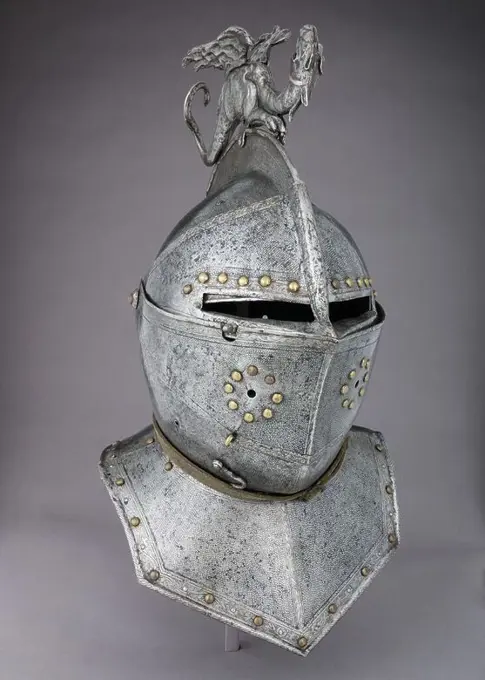
Close Helmet Made 1600-1630 Dutch. During its conflict with the Spanish Habsburgs during the first half of the 17th century, the Netherlands experienced a flowering of the armorís art. Once part of a heavy cavalry armor, this helmet with rounded forms and crisp lines exemplifies the best of Dutch workmanship.. Steel and gilding .
6145-29801056
Sallet of Emperor Maximilian I (1459-1519) ca. 1490-95 Attributed to Lorenz Helmschmid German This sallet was a new type probably invented by Lorenz Helmschmid for Emperor Maximilian I (1459-1519) around the time he became head of the Holy Roman Empire in 1493. Its construction, with the falling buffe (chin defense) pivoting on the same points as the visor, anticipates the development of close helmets around 1510. The gilt fleur-de-lis trim, which originally bordered the entire helmet, is a typical late Gothic decoration on armors of high quality and is found on several that belonged to Maximilian and other members of the Habsburg court.. Sallet of Emperor Maximilian I (1459-1519). German, Augsburg. ca. 1490-95. Steel, copper alloy, gold. Augsburg. Helmets
6145-30191261
Close Helmet Made 1500-1525 Milan. Steel . Domenico dei Barini, called Negroli
4409-17357189
Anime, articulated armour. Hungarian type. Italian, ca.1580. Back. Armoury. Grandmaster Palace. Valletta. Malta.
6188-63816566
Armour Armour of the medieval knight. Metal protection of the soldier against the weapon of the opponent Copyright: xZoonar.com/ValeryxxSibrikovx 2459411
6188-63833631
Armour Armour of the medieval knight. Metal protection of the soldier against the weapon of the opponent Copyright: xZoonar.com/ValeryxxSibrikovx 5722331
4409-17430316
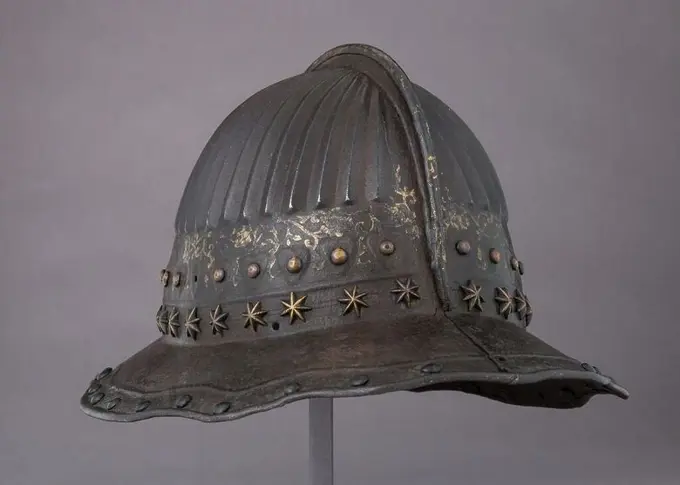
Pikeman's Pot. Culture: Dutch or Flemish, later modified in Japan. Dimensions: H. 8 1/2 in. (21.6 cm); W. 11 1/4 in. (28.6 cm); D. 14 3/4 in. (37.5 cm); Wt. 3 lb. 14 oz. (1769 g). Date: ca. 1610-20, later modified in Japan.The introduction of firearms into Japan in the sixteenth century resulted in the limited adoption of European helmets and breastplates, which provided more effective protection against gunfire than traditional Japanese armor. This finely made Dutch helmet, a type called a pot, was adapted for reuse in Japan during the mid- to late seventeenth century by the addition of a Japanese-style brow plate and lacquering of the interior and exterior surfaces. It was exhibited at the Metropolitan Museum in 1903 as part of Bashford Dean's private collection, which the Museum purchased in 1904. Museum: Metropolitan Museum of Art, New York, USA.
6145-29062794
Pauldron (proper left) and Grandguard, c. 1560-1580. South Germany, 16th century. Steel, leather straps, brass rivets; part 1: 28.5 x 27.5 cm (11 1/4 x 10 13/16 in.); part 2: 29 x 29.2 cm (11 7/16 x 11 1/2 in.). This armor was developed for the joust--a sporting combat between two mounted contestants. Although all of the elements of this armor date from the same period, they are not all from the same suit. This armor is thus called "composed." It also shows the asymmetry of jousting armor. The participants rode along a wall-like barrier known as a "tilt" with their left sides facing one another. Consequently, armor on that side of the body had to be thicker. Note the large plate (grandguard) over the left shoulder for extra protection. Also, the breathing holes in the helmet were placed on the right side (farthest from an opponent's lance) to avoid injuries from splinters. The bracket attached to the right breastplate is called the lance-rest, a shock-absorbing support designed to acc
6145-29721460
Helmet ca. 1560 Turkish, probably Istanbul This helmet was forged from watered steel and decorated in gold with arabesques and Koranic inscriptions. It is very similar to one now in the Kunsthistorisches Museum, Vienna, made about 1560 for a grand vizier of the Ottoman sultan Süleyman the Magnificent (reigned 1520-66). Both helmets presumably were made in one of the imperial workshops, possibly in Istanbul. Although this helmet is a practical military object, judging from its fine materials and ornamentation, it must have been created primarily as part of a parade armor and as a symbol of rank.. Helmet. Turkish, probably Istanbul. ca. 1560. Steel, iron, gold, silver, copper alloy. probably Istanbul. Helmets
6145-46463446
Breastplate of a Harquebusiers harness for a young man. Breastplate of a Harquebusiers harness for a young man. Probably a Dutch harness with a stadfront background. Typical Dutch elements are the decorated rivets of the swivel hooks and the flattened surface of other rivets, as well as the 'striped' edges of the neck and armholes. The brace-shaped lines on the breastplate and the light kink in the middle of the collar are also characteristics that can often be seen on Dutch harnesses. The rosette-shaped decoration surrounding the rivets still shows traces of gildings in a number of places. No remains of black paint are visible. Unclear or and when the paint is removed. Such harnesses were usually black in the seventeenth century. This happened by heating or by applying a black paint layer. Collar is missing.
4409-17350056
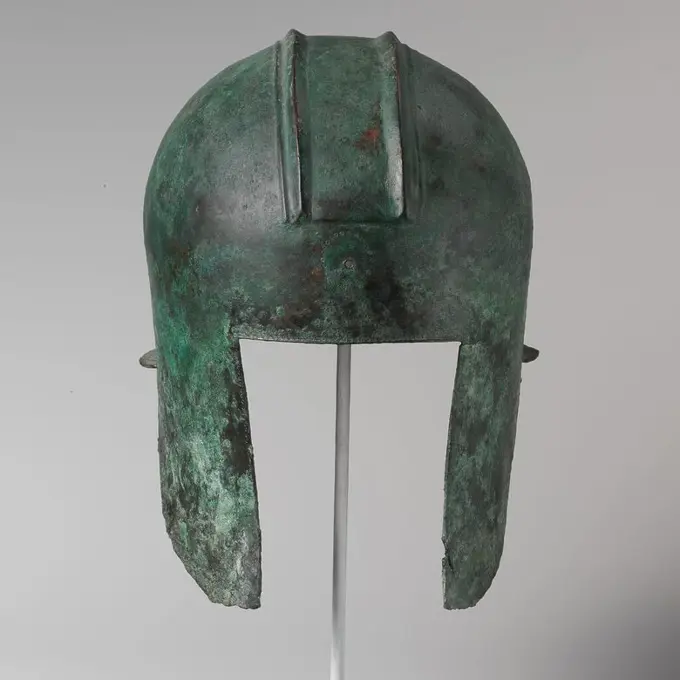
Bronze helmet of Illyrian type. Culture: Greek. Dimensions: H. 10 1/2 in. (26.7 cm)Width: 7 3/4 in. (19.7 cm)Depth: 9 1/2 in. (24.1 cm). Date: early 5th century B.C..The borders of the helmet around the face are embellished with lightly traced circles. Museum: Metropolitan Museum of Art, New York, USA.
6188-63833628
Armour Armour of the medieval knight. Metal protection of the soldier against the weapon of the opponent Copyright: xZoonar.com/ValeryxxSibrikovx 5722315
6188-63307475
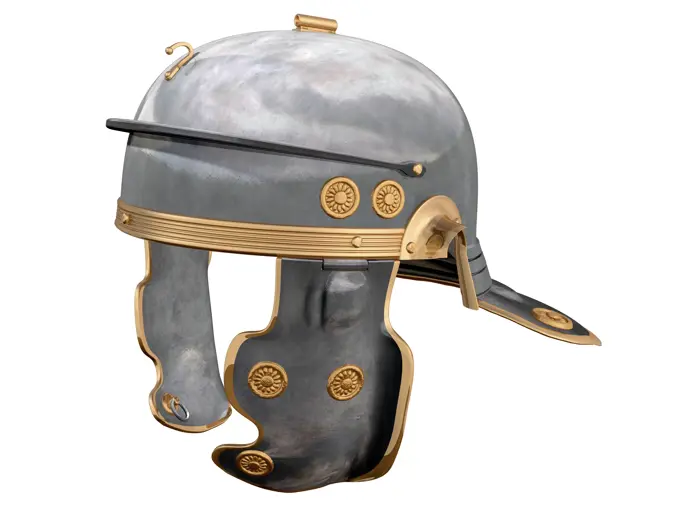
Roman Helmet Isolated illustration of a First Century Roman Helmet Copyright: xZoonar.com/PaulxFleetx 2427918
6145-45392863
French helmet wz. 15 Adrian
6145-29747675
Armor of Sir James Scudamore (1558-1619) ca. 1595-96; restored and completed, 1915 Made under the direction of Jacob Halder British Sir James Scudamore (1558-1619) was a prominent Elizabethan soldier and courtier. Also an enthusiastic jouster, he was praised in Edmund Spensers Faerie Queene (published 1596) as an example of chivalry personified.This armor was part of a large garniture, which probably had exchange pieces to adapt it for cavalry, infantry, and possibly also tournament use. It was made in the royal workshops at Greenwich about 1595-96, perhaps in anticipation of Scudamores participation in the 1596 naval attack on Cadiz, Spain. Scudamores portrait, still in the possession of his descendants, shows him wearing this armor.The remains of this and the earlier Scudamore armor (Metropolitan Museum of Art, accession number 11.128.1)were found, badly damaged and incomplete, in 1909, in Holme Lacy, the ancestral home of the Scudamores. The armors were restored and completed in
1788-18539
France, bronze helmet found in Saone river
4409-17262190
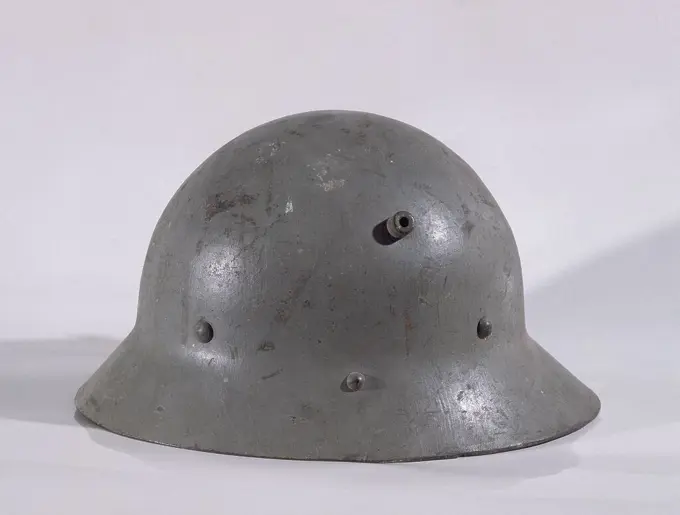
CASCO DE ACERO ORIGEN CHECO. Location: EXPOSICION DE LA GUERRA CIVIL ESPAÑOLA. MADRID. SPAIN.
6145-29809575
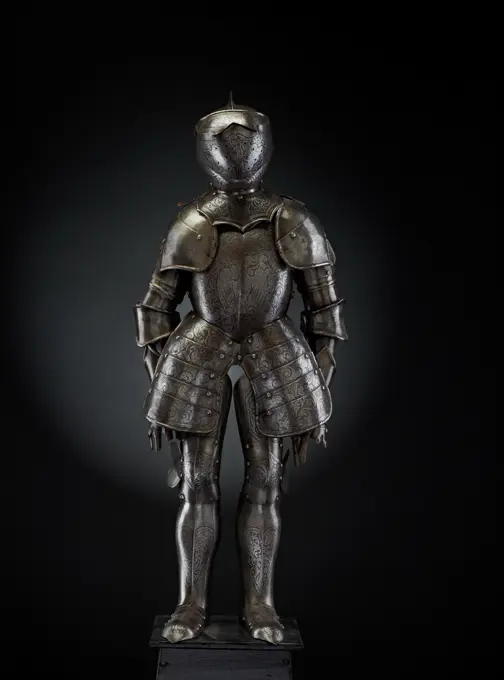
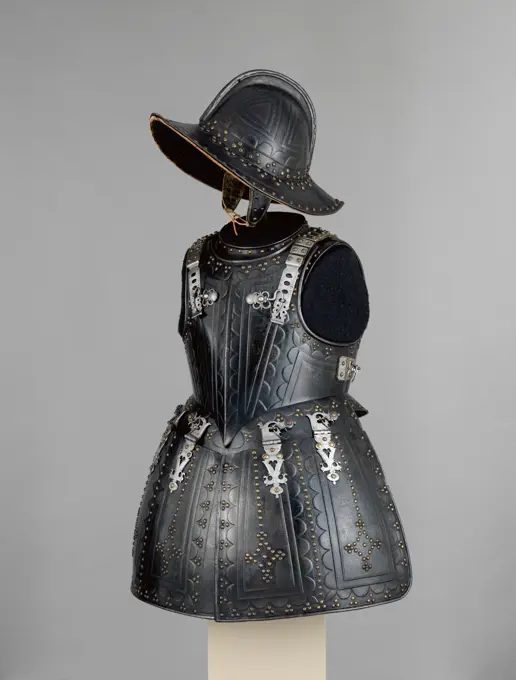
Pikemans Armor ca. 1620-30 British, probably Greenwich or London In battle formation, pikemen stood together in tight ranks and used their pikes to defend unarmored musketeers. The latter were deployed on the flanks of the pikemen and retreated behind them to reload after firing a volley. The pike is a steel-tipped spear up to eighteen feet long with which the pikemen fended off attacking cavalry. This tandem use of “shot and pike” was the fundamental principle governing infantry tactics for much of the seventeenth century.The quality of this armor and its decoration suggest that it was worn by an officer and that it may be a late product of the royal armor workshops at Greenwich, which closed in 1637 after 120 years of activity.. Pikemans Armor. British, probably Greenwich or London. ca. 1620-30. Steel, brass. probably Greenwich or London. Armor for Man
1746-21118396
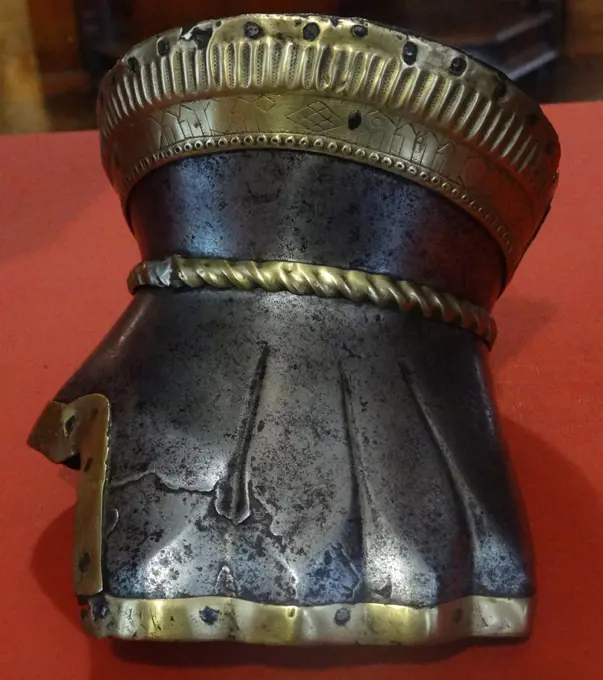
Steel and brass gauntlet. Northern Italy. Dated 14th Century
6145-29062564
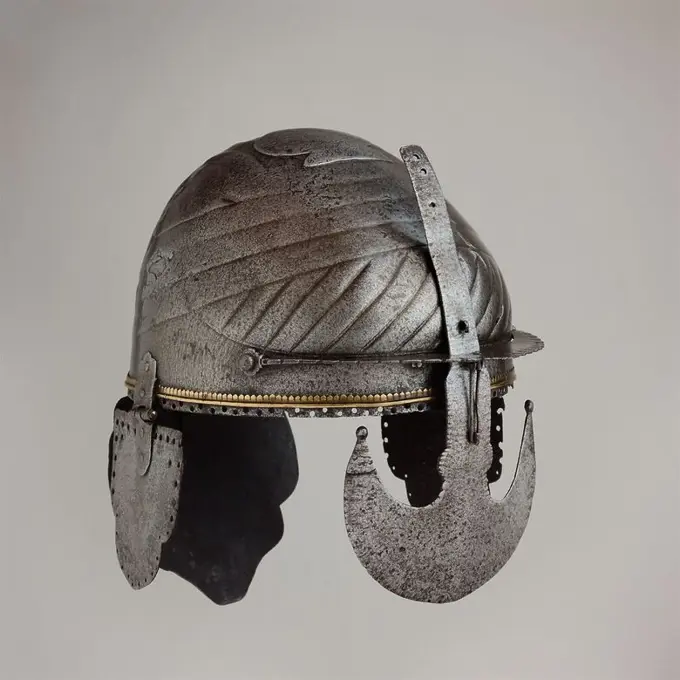
Close Helmet in Maximilian Style, c. 1520. Germany, 16th century. Steel and brass; overall: 30.5 x 21.8 x 32 cm (12 x 8 9/16 x 12 5/8 in.). The regular fluting of this helmet is a style known as "Maximilian," named after Maximilian I, Holy Roman Emperor (1493-1519). Besides being decorative the fluting is a strengthening device that works similar to corrugated metal. This decoration would have been costly as it was time consuming to produce and required precise work. It would have only been available to the wealthiest of clients.
6188-56032786
Antique European Knight Armor An antique European knight armor isolated against white background. Copyright: xZoonar.com/JFsPic Thielemannx 9704635
3030-601868
Italian ArmourAntiques-Misc.
6188-63816696
Armour Armour of the medieval knight. Metal protection of the soldier against the weapon of the opponent Copyright: xZoonar.com/ValeryxxSibrikovx 2479215
6145-29188585
Helmet and Shield 19th century Persian. Helmet and Shield 32119
4409-17545796
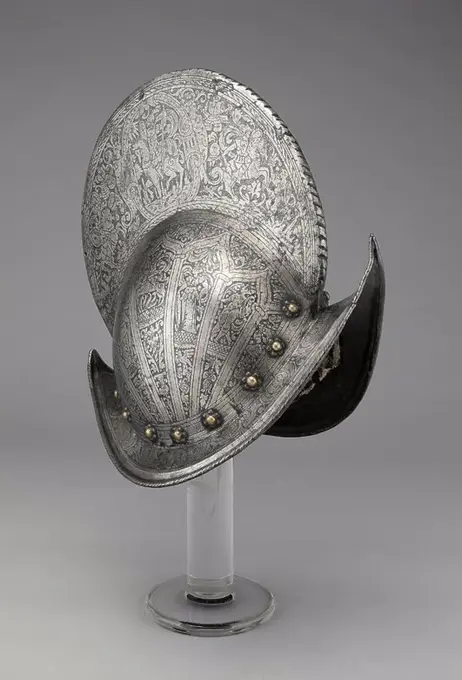
Comb Morion. Northern Italian, probably Brescia. Date: 1570-1600. Dimensions: H. 34.3 cm (13 1/2 in.) Comb H. 12.1 cm (4 3/4 in.) Wt. 4 lb. 4 oz. Steel, brass, and leather. Origin: Brescia. Museum: The Chicago Art Institute, Chicago, USA.
4409-17501963
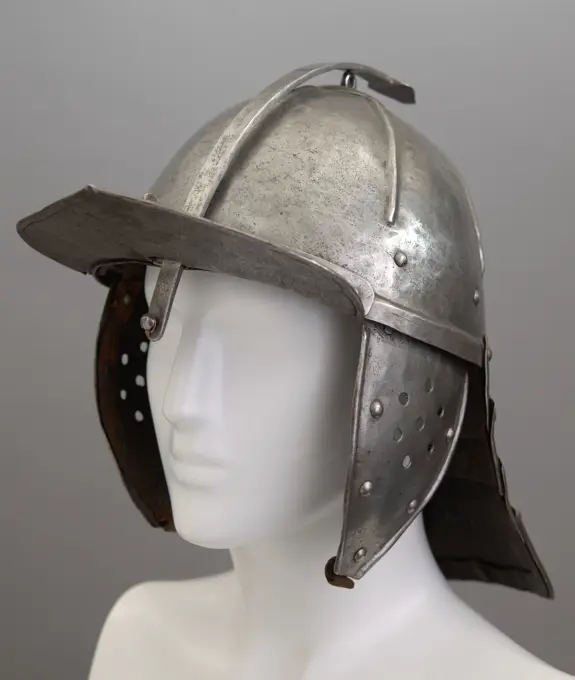
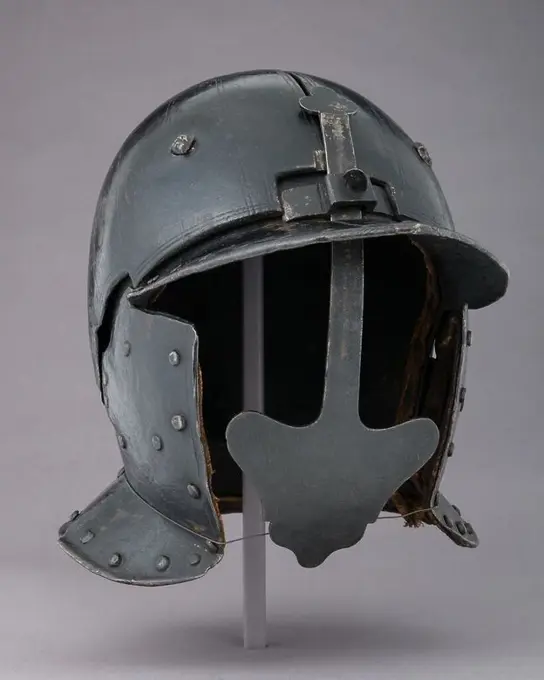
War Hat. Culture: Western European. Dimensions: H. 6 3/4 in. (17.1 cm); W. 12 in. (30.5 cm); D. 13 in. (33 cm); Wt. 9 lb. 13 oz. (4451 g). Date: probably 17th century. Museum: Metropolitan Museum of Art, New York, USA.
1848-55048347
Knights' armours, weapons and art museum in the Veste Coburg castle, Coburg, Upper Franconia, Franconia, Bavaria, Germany, Europe
1525-20569466
Iron Knight helmet with eye slits and cross
1746-28969082
Steel and brass gauntlet. Northern Italy. Dated 14th Century
6145-45306808
Persian szyszak
4409-17389198
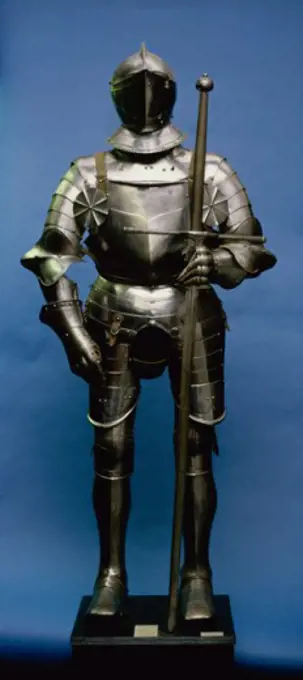
Armor for a Member of the Barberini Family. Culture: Italian, Milan. Dimensions: Wt. 34 lb. 8 oz. (15.65 kg); Wt. of helmet 5 lb. 3 oz. (2350 g). Date: ca. 1623-30.This armor is a deluxe version of a typical cuirassier's armor, worn by heavy cavalry armed with sword and pistols. Its rich ornament and light weight, however, indicate that it was designed primarily for ceremonial wear and as a symbol of martial status.The punched and chiseled decoration is characteristic of elaborate Milanese armor of the early seventeenth century. The designs include numerous crowned ovals enclosing bees, the badge of the Barberini, one of Rome's most powerful families. The Barberini rose to prominence, wealth, and power with the election of Maffeo Barberini as Pope Urban VIII in 1623. Presumably, this armor was made for the ranking secular member of the family, either Carlo (1562-1630) or his son Tadeo (1603-1647). The pope's brother, Carlo was general of the papal armies and duke of Monterotondo from
6145-29185224
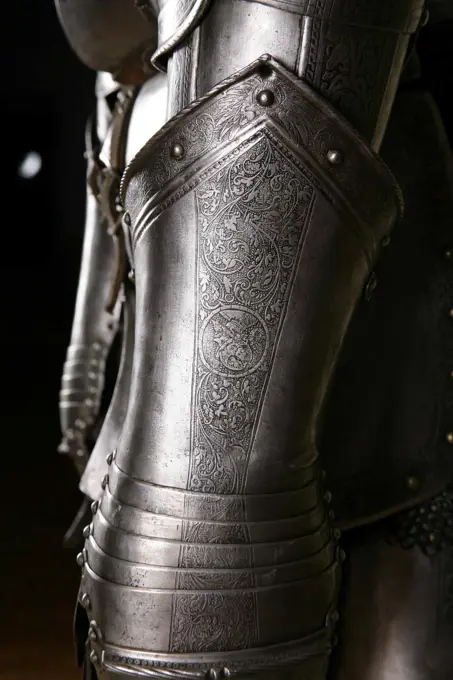
Half Armor ca. 1500 and 19th century German. Half Armor 22262
4409-17415417
Armet. Culture: Italian, Milan. Dimensions: H. 11 1/2 in. (29.2 cm); W. 8 1/2 in. (21.6 cm); D. 11 1/4 in. (28.6 cm); Wt. 6 lb. 1 oz. (2749 g). Date: ca. 1460.The armet is stamped with the marks of the Missaglia workshop, the leading Milanese armorers in the fifteenth century. Originally, it would have been fitted with a visor. Museum: Metropolitan Museum of Art, New York, USA.
6145-58997884
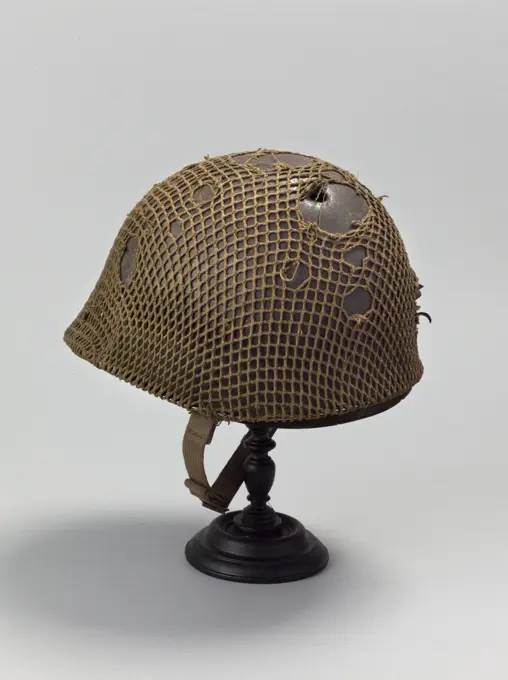
Helmet. Marche regiment of Chad (impact of a projectile). "Helmet Steel, M1". Steel (and stainless steel), painting, canvas sewn mechanically, synthetic original material, 1941-1944. General Leclerc Museum of Hauteclocque and the Liberation of Paris, Jean Moulin Museum. 2nd db, helmet, ffl, free French forces, 1939-1945 war, war 39-45, Warm Warning Regiment, Second World War
7004-69582268
Switzerland, Bern Canton, Spiez, Spiez Castle, helmets and breast plates
6019-65772144
Knights helmet. Medieval lats. Good.
6145-30174132
Pair of Mitten Gauntlets Made 1490-1530 Flanders. Steel, leather, and copper alloy .
4409-65868190
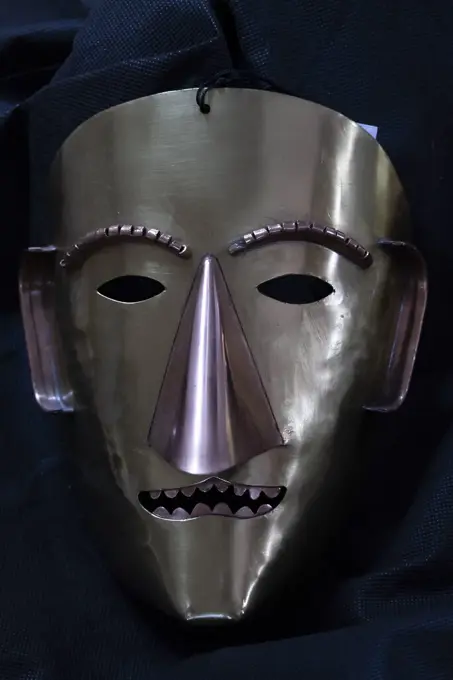
Typical artisan mask for traditional masquerade celebration, Iberian Museum of Masks and Costume, Braganza (Bragança),Trás-os-Montes and Alto Douro, Portugal.
1525-22095390
Iron helmet of the medieval knight. Very heavy headdress
1746-21125679
Model horse with armour used during the 16th Century
1788-111195814
Armor collection, Hochosterwitz Castle, Carinthia
7002-69576784
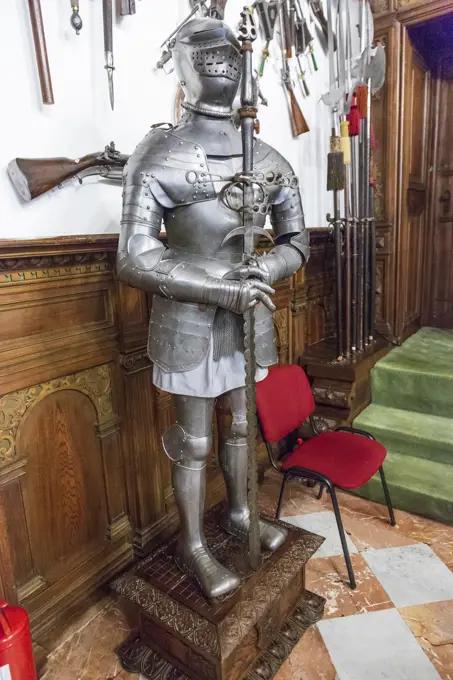
Romania, Carpathian Mountains, Prahova County, Sinaia. Peles Castle, Castelul Peles. Neo-Renaissance castle. Period Armor.
4409-59179849
Barcella , XII century, Sineu, Mallorca, balearic islands, spain, europe.
6145-45524290
Tournament knight's armour
7012-69878963
Spain, Pamplona (aka Iruna). Typical souvenir store. (Editorial Usage Only)
4409-17387106
Trunk Hose. Culture: Bohemian. Date: 1580. Museum: Metropolitan Museum of Art, New York, USA.
1525-25325065
acupuncture needles with chinese antique soldier
1746-21111848
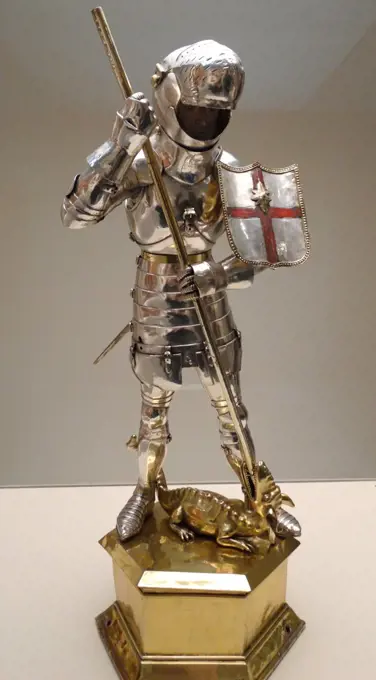
Silver plated statuette of St. George slaying the dragon, from the chapel of St. George Palace of the Generalitat of Catalonia. Dated 15th Century
4409-63827
Gothic field armour. Landshut, 1470. Iron. Germany. The German Historical Museum. Berlin. Germany.
6188-63876499
christmas decorations golden brown christmass balls on decoration with white background Copyright: xZoonar.com/chrisxwilllemsenx 7984199
6145-29710351
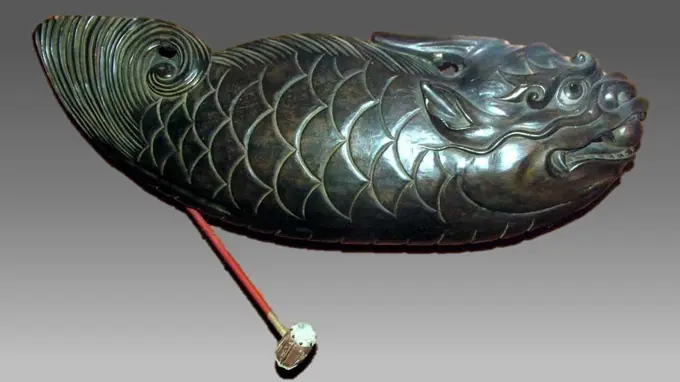
Mokugyo () ca. 1800-1889 Japanese Small hand-held mokugyos (slit drums), and large ones resting on cushions, are used to accompany chants (sutras) in Taoist and Buddhist ceremonies. Some possess handles and are in the form stylized fish, which hold in their mouths a ball, symbol of the universe. Having no eyelids, the fish symbolizes wakeful attention and vigilance in devotion. This less abstracted version is meant to be suspended.. Mokugyo (). Japanese. ca. 1800-1889. Wood. Japan. Idiophone-Struck-slit drum
4282-21280205
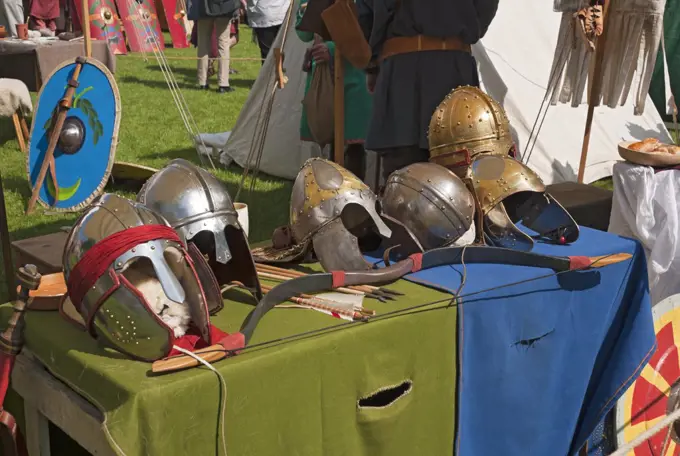
Display of replica helmets at the Eboracum Roman Festival in York.
1525-76022714
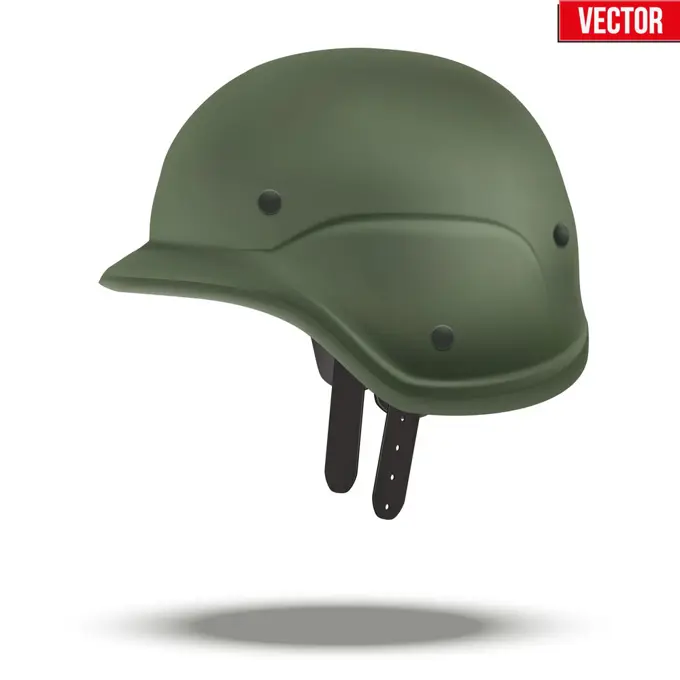
Military tactical helmet green color vector image
4409-11179
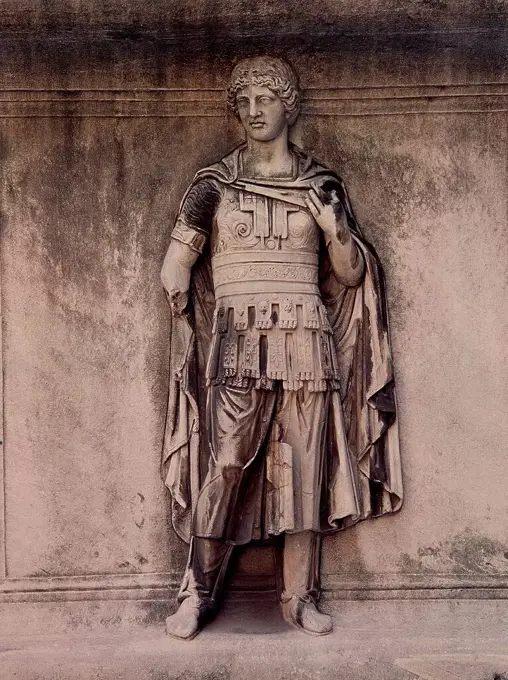
RELIEVE REPRESENTA PROVINCIA SUJETA A ROMA. Location: GALERIA NACIONAL DE ARTE ANTIGUO-PALACIO BARBERINI. Rome. ITALIA.
1848-51183002
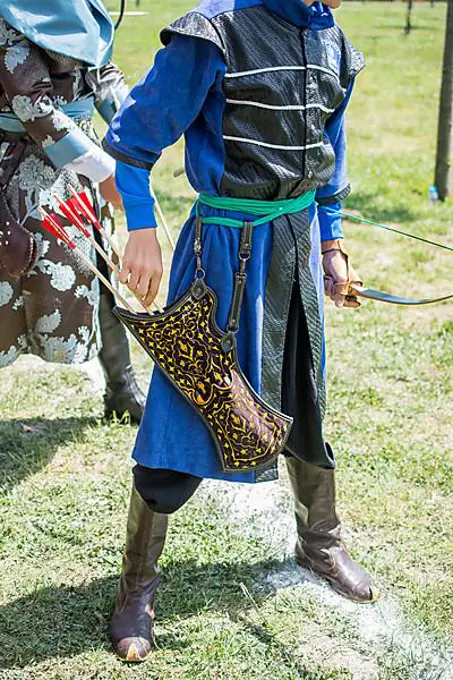
Old style wooden arrows in the case of an archer
PREVIOUS
of 1
NEXT
2401 S. Ervay, Suite 206
Dallas, Texas 75215
United States
Browse
CategoriesGalleriesFree Research
For Creators
License Your ContentSuperStock For StudentsFrame of Mind BlogContributor PortalNew Image SpotlightLicense AI Imagery
Resources
About UsLicensingTerms & ConditionsAPI AccessPrivacyPricing
Contact
+1 866 236 0087help@superstock.com Contact form
©2026 SuperStock. All Rights Reserved. -A
This site is protected by reCAPTCHA and Google Privacy Policy and Terms of Service apply.