Fine ArtVintageFootageSubscriptionBoardsFree ResearchPricing
  • Fine Art
  • Vintage
  • Footage
  • Subscription
  • Boards
  • Free Research
  • Pricing

Historical Musical Instruments

A collection of various musical instruments, including violins, viols, and indigenous instruments, showcasing different materials and designs from various eras.
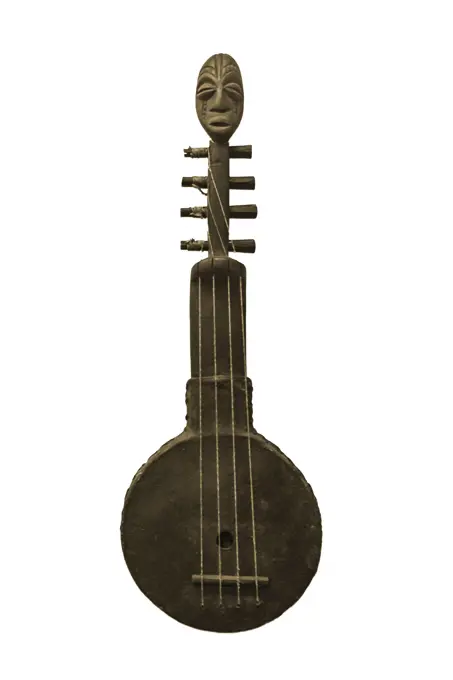
Indigenous Music Instrument at Museum Indigenous music instrument isolated on white background photo Copyright: xZoonar.com/DanielxFerreira-LeitesxCiccarinox 16524402
74 assets in this story
6188-55463516
Indigenous Music Instrument at Museum Indigenous music instrument isolated on white background photo Copyright: xZoonar.com/DanielxFerreira-LeitesxCiccarinox 16524402
6145-58864424
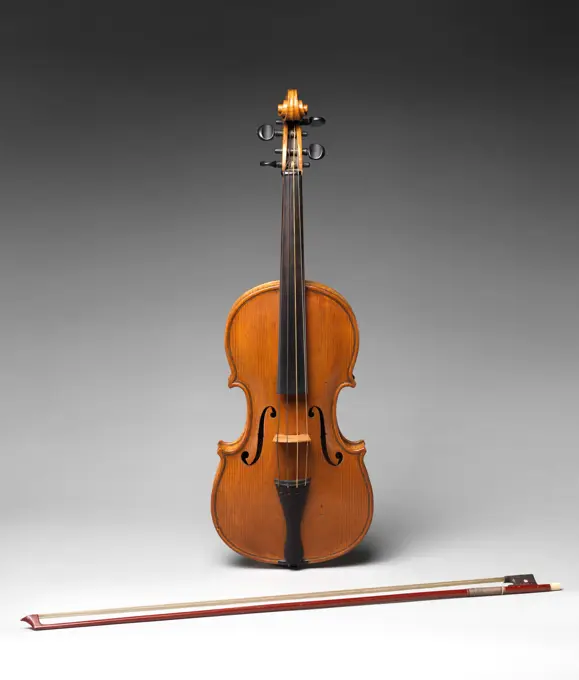
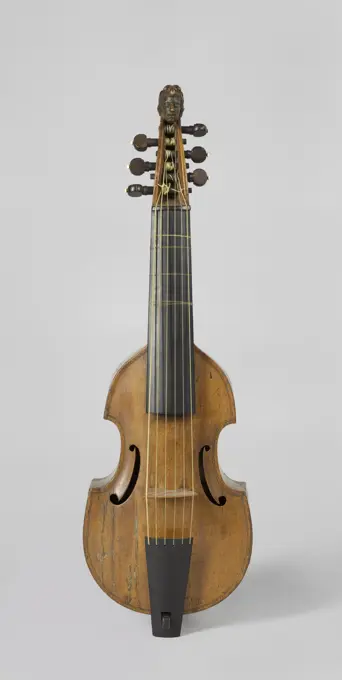
Violin, Johannes Theodorus Cuypers, 1791 Label: Johannes Cuijpers/ Fecit S Hage 1791 The Hague wood (plant material). maple (wood). ebony (wood). metal Label: Johannes Cuijpers/ Fecit S Hage 1791 The Hague wood (plant material). maple (wood). ebony (wood). metal
6145-58866781
Overcoat, c. 1730 - C. 1750 Zessnarige over the above. Paris softwood. Maple (Wood). Ebony (Wood). Beech (Wood). Ivory. strings:. strings: Metal Zessnarige over the above. Paris softwood. Maple (Wood). Ebony (Wood). Beech (Wood). Ivory. strings:. strings: Metal
4409-17424650
Division Viol. Culture: British. Maker: Henry Smith (British, London active 1623-ca. 1637). Date: 1629. Museum: Metropolitan Museum of Art, New York, USA.
6145-46610944
Bass Viol and Bow. The bass viol was commonly used as a solo instrument or to provide the bass line in chamber music ensembles. Its six strings are played with a bow held underhand and, like the lute, the viol has gut frets tied around the neck. This instrument was made by Hendrik Jacobs, one of the most important 17th-century Dutch violin makers.
6145-29171995
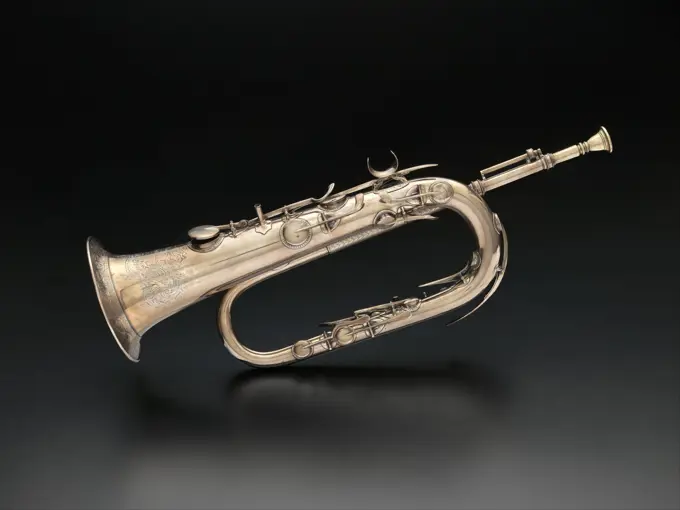
Keyed Bugle 1854 Elbridge G. Wright American. Keyed Bugle 503810
6145-30133433
Bastrompet. Copper Bastrompet.
1525-25106374
Images of the classical contrabass. Isolated on white background
6145-29707588
Viola 1884 John C. Harris American John C. Harris taught music and performed as a clarinetist, violinist, and band leader in Albany, New York. He was also a violin maker and was listed in city directories between 1871 and 1881. The printed label indicates that this was his sixtfh viola (the violas are numbered separately from his violins). This viola was presented to the Museum by his widow in 1906. Description: Softwood front with f holes, two-piece back of maple, crudely done purfling; ebony pegs and tailpiece; with bow.. Viola. American. 1884. Wood, ebony. Albany, NY, United States. Chordophone-Lute-bowed-unfretted
6145-29808082
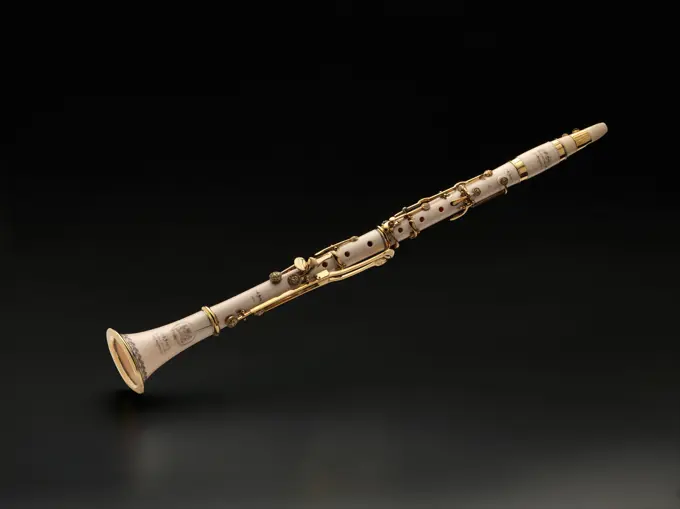
Clarinet in B-flat 1830 Charles Joseph Sax Belgian The ivory body of this clarinet and its ornate gold plated keys suggest that it was a special commission or presentation piece. Its bell proclaims Saxs status as musical instrument maker to the court of the Kingdom of the Netherlands. This instrument is also distinguished by its early use of Ivan Müllers improved thirteen-key system, which became the preferred choice of most clarinet players until the beginning of the twentieth century.. Clarinet in B-flat. Belgian. 1830. Ivory, brass, gold-plated silver. Brussels, Belgium. Aerophone-Reed Vibrated-single reed cylindrical
1848-55423935
Violins with strings, F-Holes, tailpiece and chinrest
6145-58864570
Oboe, Guerin, c. 1860 - c. 1899 Hobo van Ebony with twelve valves. Marked on the cup: Lier / Guerin / * Breveté * / Marseille in an oval. Marseille Ebony (Wood). Nickel (Metal). Keys: Silver (Metal). Tests: Leather Hobo van Ebony with twelve valves. Marked on the cup: Lier / Guerin / * Breveté * / Marseille in an oval. Marseille Ebony (Wood). Nickel (Metal). Keys: Silver (Metal). Tests: Leather
6145-58997898
Gautrot Marquet. Cornet with civil piston. Chromed copper, around 1875. General Leclerc Museum of Hauteclocque and the Liberation of Paris, Jean Moulin Museum.
6145-29812990
Soprano ophicleide in B-flat mid-19th century Adolphe (Antoine Joseph) Sax Belgian, active France The ophicleide is a low brass instument that was used in bands and orchestras during the nineteenth century. It was replaced by the tuba.In seeking to create a loud, low woodwind instrument, Adolphe Sax experimented with placing a bass clarinet mouthpiece on an ophicleide. This idea spawned the first saxophone.. Soprano ophicleide in B-flat. French. mid-19th century. Brass. France. Aerophone-Lip Vibrated
6145-29217761
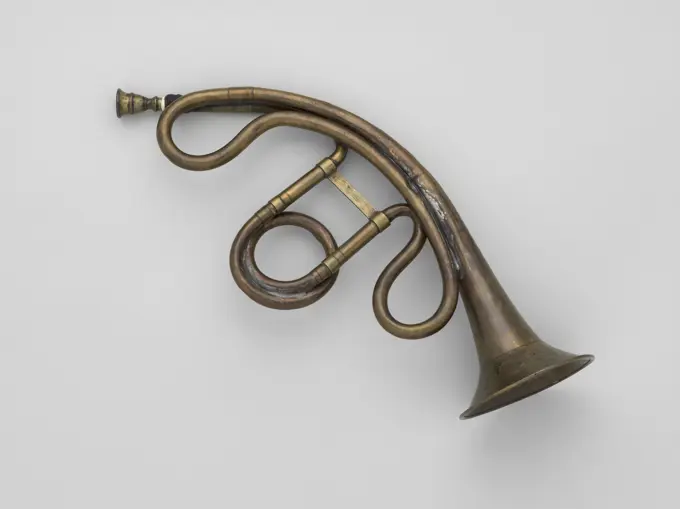
Trompette Demilune ca. 1810 German The curved form of this natural trumpet enabled the player to insert fingers into the bell and, by closing it off to varying degrees, alter the notes of the harmonic series to produce a scale. This stopping technique is similar to that used by hand horn players, but the smaller size of the trumpets bell made it less effective.. Trompette Demilune. German. ca. 1810. Brass. Markneukirchen, Germany. Aerophone-Lip Vibrated
1570R-115636
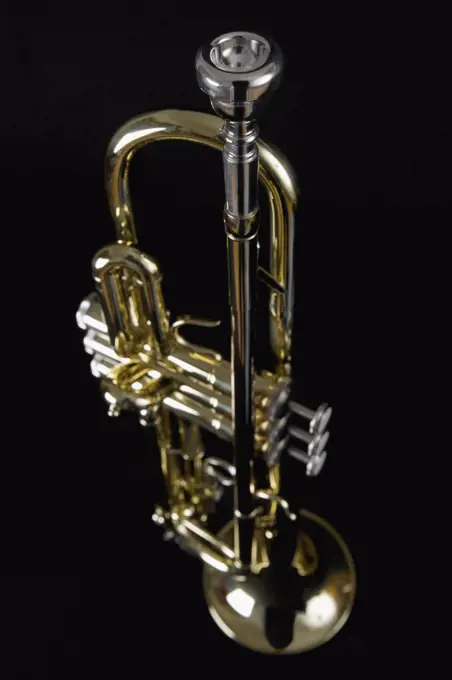
Trumpet
6145-30133439
Copper horn.copper horn (relief type)
4409-20886609
INSTRUMENTOS MUSICALES. VIOLIN. MUSICA. FONDO BLANCO PARA SILUETEAR.
4409-17503030
Pedal Harp. Culture: American. Dimensions: Height: 70 1/16 in. (178 cm)Depth: 37 in. (94 cm). Maker: Lyon & Healy (American, Chicago, Illinois). Date: 1891-95.The harp is the firm's model 23, which was introduced in 1895 and was produced in this style by about 1913. It is one of the earliest items made of this model and the 115th harp the company had built since 1889. It is a semi-grand harp with seven double action pedals and an eights pedal to control a swell at the back of the soundboard to manipulate the volume. The harp has forty-five strings for a compass from CC to e"" (second position). Later the company resumed the production of model 23 with forty-seven strings and different decoration.The pedals can be set in three positions and the associated double action raises the basic pitch of a string by one or by two half steps by means of a twin forked disk mechanism. If the pedals rest in the top position, no mechanical action takes place and the seven strings per octave deliver
5507-47656135
Violin contour from black lines isolated on white background. Front view. Vector illustration
6145-29181456
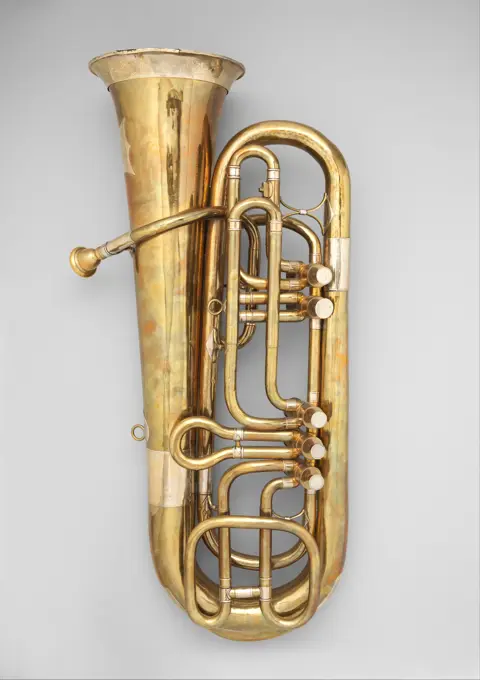
Tuba ca. 1855 attr. C.W. Moritz The overall design of the instrument and configuration of its valves is similar to the early tubas made by Johann Gottfried Moritz in Berlin. It has five Berlin valves (bottom-sprung with a single guide slot) and each valve loop has a tuning slide. The bell garland is engraved with a flower, oak leaf and acorn motif. The white metal plaque affixed to the bell bears no makers description but is decorated in the same style as the bell garland. The motif and the style of execution is typical of instruments made in Markneukirchen during the mid-nineteenth century.. Tuba. German. ca. 1855. Brass. Berlin, Germany. Aerophone-Lip Vibrated
6145-58870719
Clarinet, G. Schüster, c. 1825 B Palmhout clarinet with nine valves. Marked: G. Schüster. Neukirchen boxwood (hardwood). ivory. brass (alloy) B Palmhout clarinet with nine valves. Marked: G. Schüster. Neukirchen boxwood (hardwood). ivory. brass (alloy)
6145-29730186
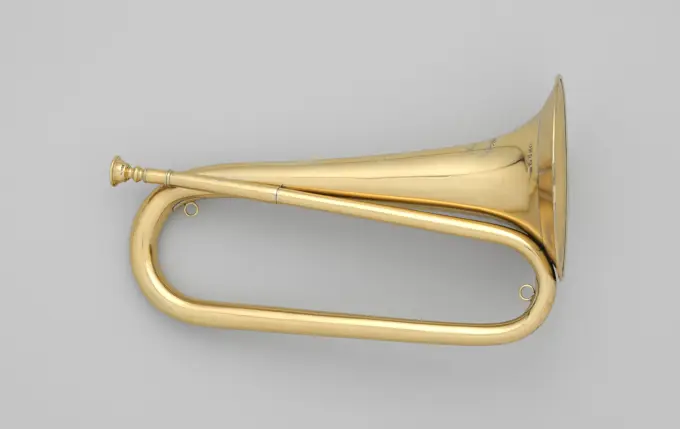
Bugle in C 1811 Thomas Key British Engravings on the bell indicate that the bugle was made in the year 1811 (represented by the letter Q) by the silversmith William Trayls (initials WT). Other marks represent the sterling standard (lion passant), the London Assay Office (leopard head), and the excise duty mark (sovereign's head). Also engraved on the bell is the name Major Drummond of the 104th Regiment, who presumably was the first owner of the instrument.. Bugle in C. British. 1811. Silver-gilt. London, England, United Kingdom. Aerophone-Lip Vibrated
6145-29805624
Pochette Bow early 19th century possibly French. Pochette Bow 501577
4409-17375005
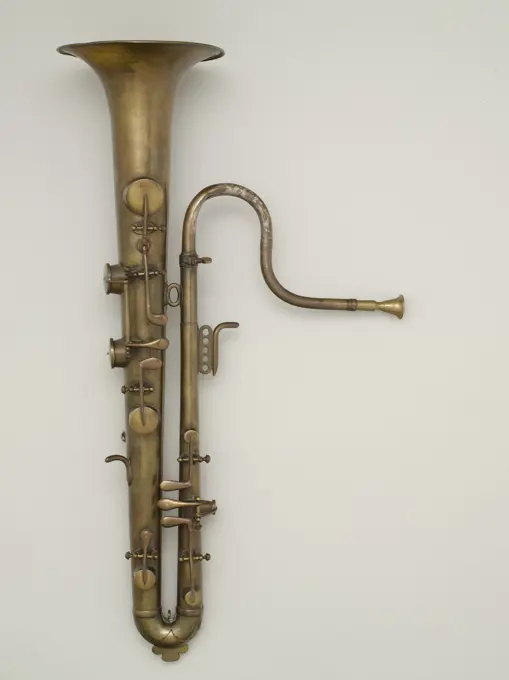
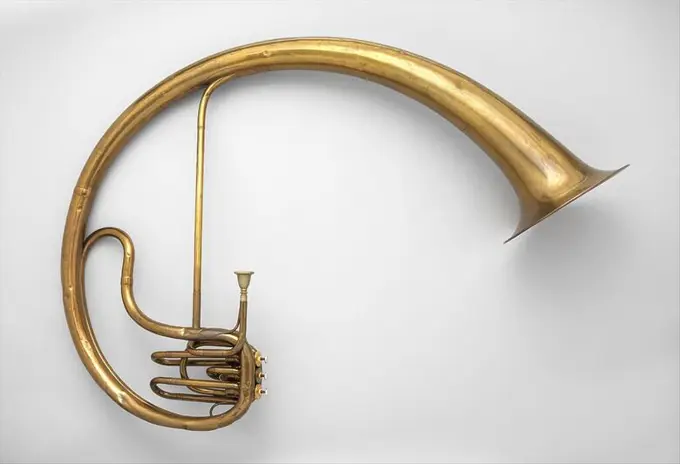
Bass saxtuba in E-flat. Culture: French. Dimensions: 51 × 36 1/2 × 12 1/2 in. (129.5 × 92.7 × 31.8 cm). Maker: Adolphe (Antoine Joseph) Sax (Belgian, Dinant, Belgium 1814-1894 Paris). Date: 1855.Saxtubas were built as a family with instruments ranging from B-flat sopranino to B-flat contrabass. This bass in E-flat was the second largest size. The striking appearance of the larger sax tubas was inspired by the Roman cornu as depicted on Trajan's Column. Saxtubas were first used in 1852 in the premiere performance of Halevy's opera Le juif errant in the Paris Academie Nationale de Musique, where they featured in a 15-piece stage ensemble. They also appeared in a military and national ceremony in Paris on the Champ de Mars later in 1852. This instrument and a B-flat tenor held in the Trompetenmuseum in Bad Saeckingen, Germany are the only saxtubas known to survive. Museum: Metropolitan Museum of Art, New York, USA.
6145-29220385
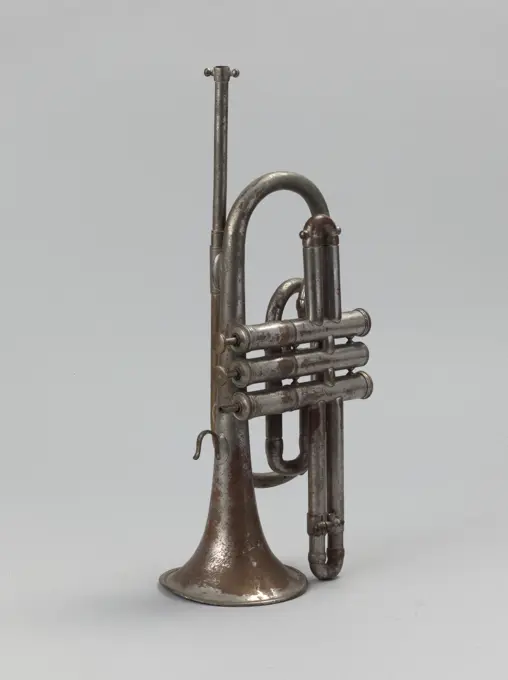
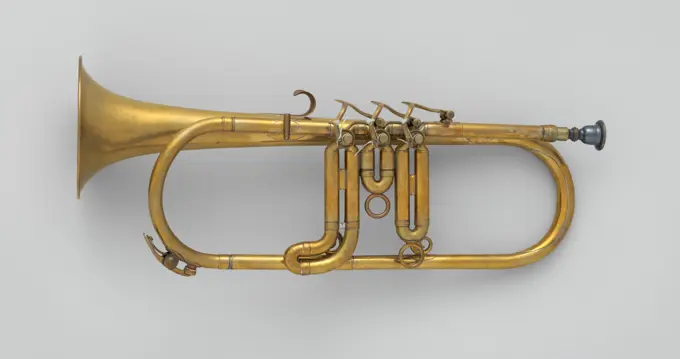
Valve Trumpet in B-flat 1862-65 David C. Hall American. Valve Trumpet in B-flat. American. 1862-65. Brass. Boston, Massachusetts, United States. Aerophone-Lip Vibrated-trumpet / trombone
6145-52956108
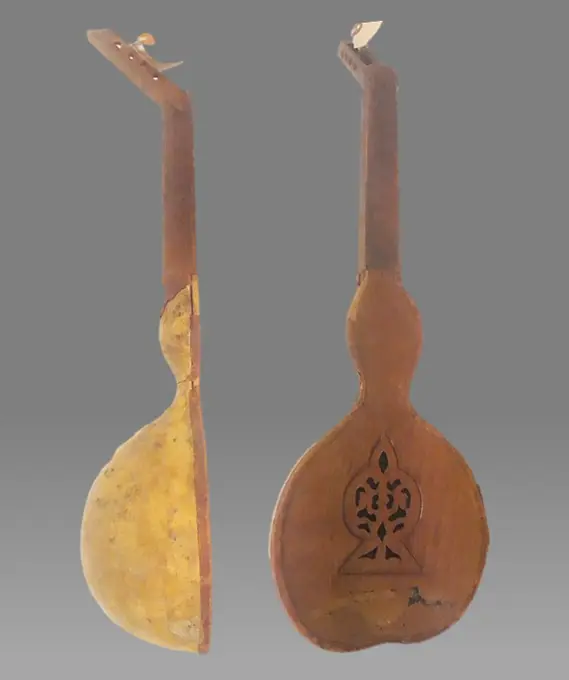
Stringed Instrument Melanesian (New Guinea) late 19th century
6145-58870735
Oboe, anonymous, c. 1830 Hobo of boxwood wood. Germany (possibly) boxwood (hardwood) Hobo of boxwood wood. Germany (possibly) boxwood (hardwood)
1540-111833749
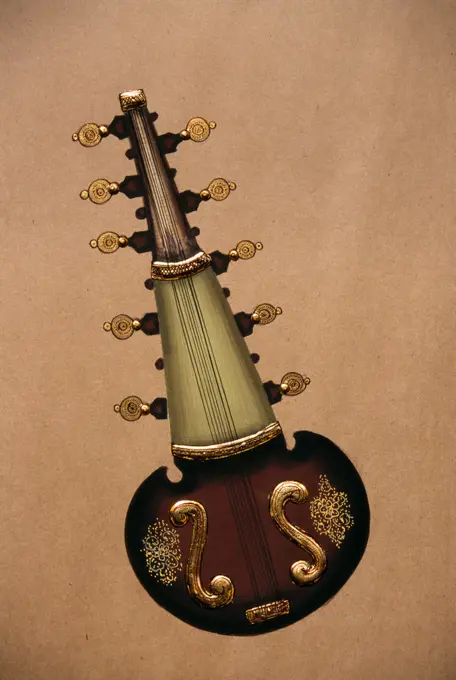
Miniature Painting On Paper Indian classical Musical Instrument
1525-24730185
Musical instrument of bass guitar vector or color illustration
4220-21886278
The CORNET-A-PISTONS - usually  known simply as the Cornet,  has a tube half the length of  the trumpet, and consequently  plays an octave higher.      Date: 1897
6145-29228942
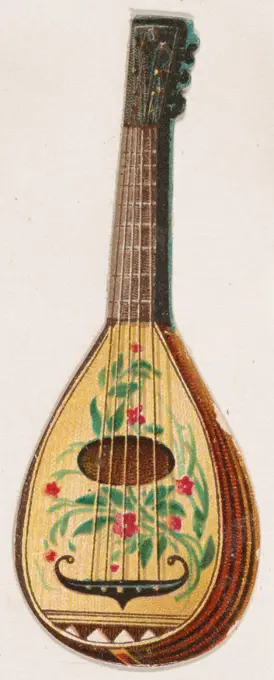
Mandolin, from the Novelties series (N228, Type 3) issued by Kinney Bros. 1889 Issued by Kinney Brothers Tobacco Company Trade cards from the "Novelties" series (N228), issued in 1889 to promote Kinney Tobacco Company. There are five types of card within the series. Type 1 cards are round. Type 2 cards are round with colored borders. Type 3 cards are die cut to the shape of a novelty item. Type 4 are also die cut with embossing. Type 5 depict novelties on a rectangular card. Finally, Type 6 are die cut in the shape of an egg.. Mandolin, from the Novelties series (N228, Type 3) issued by Kinney Bros.. 1889. Commercial color lithograph. Issued by Kinney Brothers Tobacco Company
6145-29788518
Violoncello 18th century German Description: Molded half-back. Yellowish varnish. Two F sound-holes. The peg-box terminates in a scroll, fitted with 4 pegs, turned by patent screws and thumb-pieces at the back. Four strings.. Violoncello 502455
6145-29727260
Pochette 18th Century German. Pochette. German. 18th Century. wood, ivory. Germany. Chordophone-Lute-bowed-unfretted
6188-55642688
Pedalharfe Computergenerierte 3D Illustration mit einer Pedalharfe Copyright: xZoonar.com/MichaelxRosskothenx 20195074
6145-29785112
Sitar mid-19th century Indian Six-stringed sitar with no sympathetic strings. The hexagonal, ivory inlaid wood body has a flat back and frets similar to the surbahar (bass sitar).. Sitar 500750
1848-54933982
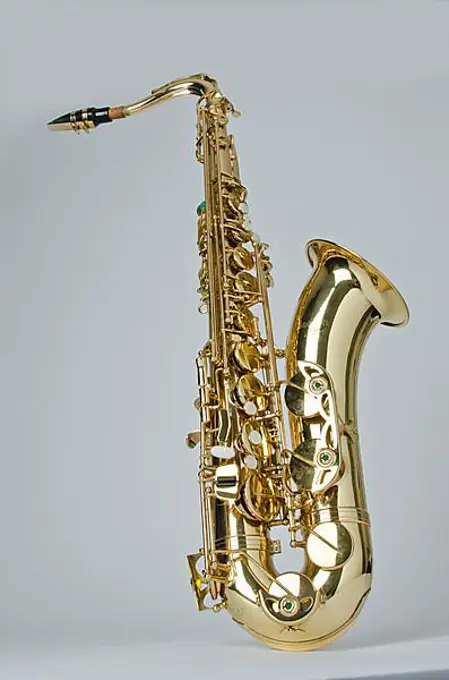
Used tenor saxophone, Boston
6145-29232332
Banjo ca. 1884 Hercules McCord American Hercules McCord, a banjo maker from St. Louis, MO, produced this banjo in 1884. The neck design is conventional. However, the rim assembly, which incorporates three of McCords four patent innovations, ingeniously addresses several technical challenges related to rim design and head tightening assemblies. The 1880s saw major innovations in banjo design and technology. 75 patents related to banjos were registered with the U. S. Patent Office during that decade. Many of these patents focused on either the mechanisms used to tighten the skin head or the design of the banjo rim itself. One challenge was to minimize the work it took to tighten the head. The second addressed the design and location of the tightening mechanisms to minimize the likelihood of causing discomfort to the player. This often was accomplished by either enclosing the mechanisms in a specially designed rim or designing the mechanisms as an integral part of the rim. McCords all-m
6188-55483149
steel door key steel door key isolated on white background Copyright: xZoonar.com/ValeryxVoennyyx 5660546
4409-10462
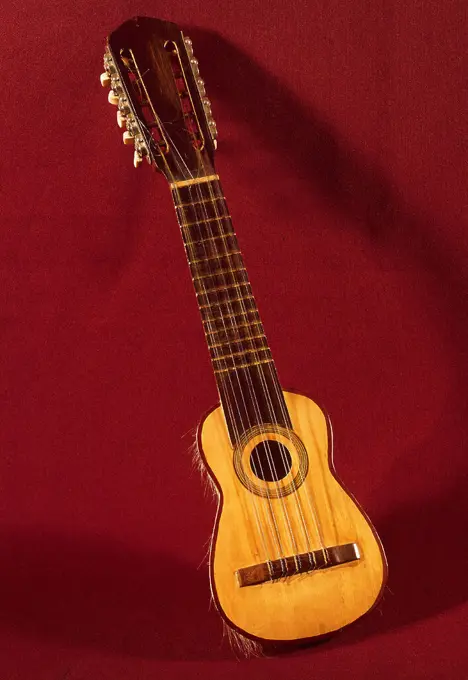
INSTRUMENTO MUSICAL ARGENTINO-CHARANGO.
6145-29152504
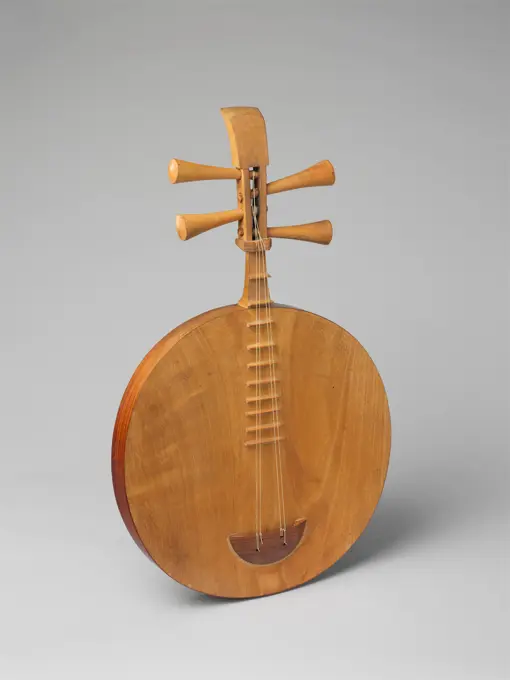
Yueqin (琴) 19th century Chinese The resemblance of this round lute to the full moon (yue) gave it its name. The yueqin developed from a much larger long-necked lute that appeared in the Qin and Han dynasties. Its four strings are tuned in pairs, a fifth apart. Like the sanxian, it encloses a vibrating plate. Found in popular ensembles and the Beijing opera and used to accompany song, the yueqin has not been fully embraced by the modern Chinese orchestra. The player presses the strings between the high frets making chord playing difficult but giving increased control over the timbre and intonation. Strings are plucked with fingernails or a pick using up- and down-strokes and tremolo techniques that sustain and give color to a tone. Listen to experts illuminate this artwork's story Listen Play or pause #9354. Yueqin Supported by Bloomberg Philanthropies We're sorry, the transcript for this audio track is not available at this time. We are working to make it available as soon as possible
5507-37961708
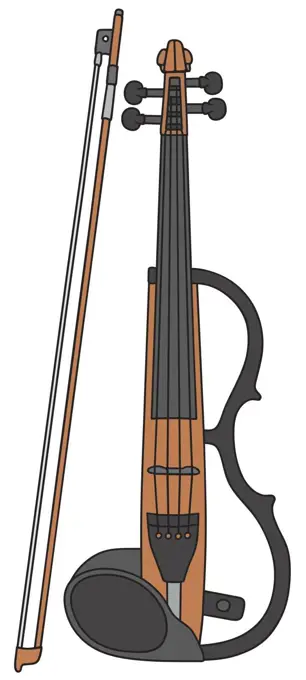
Electric violin
6145-29741842
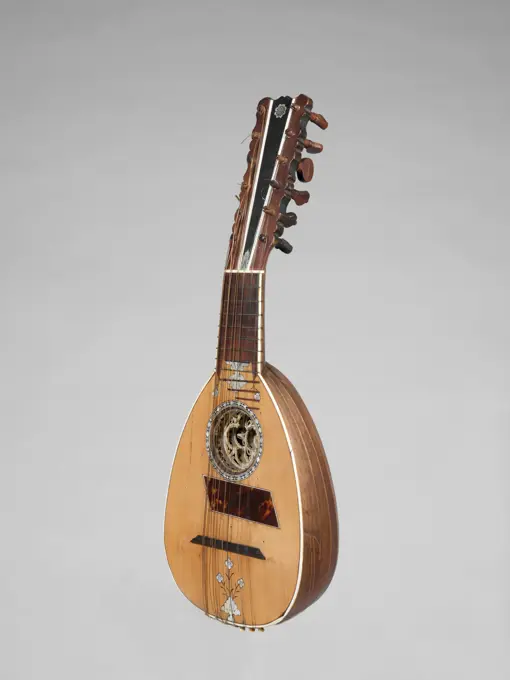
Mandolin 18th century Christian Nonnemacker Known as a mandola o mandolino alla Genovese”, this mandoline has six pairs of gut strings, fifteen rosewood ribs, and mother-of-pearl and tortoiseshell inlays. It differs from other gut-strung mandolins in being tuned an octave higher than the modern guitar (e, a, d’, g’ b-natural, e”) and having a guitar-like peg block.. Mandolin. Italian. 18th century. Wood, various materials. Italy. Chordophone-Lute-plucked-fretted
6145-29755387
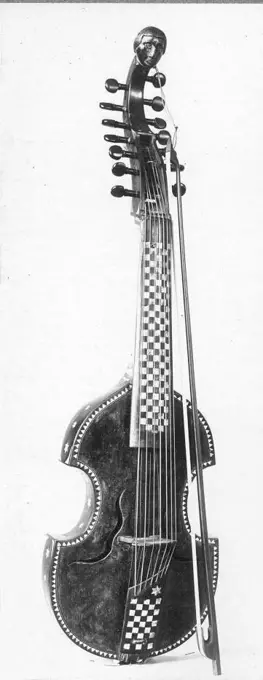
Viola d'Amore 18th century French The viola d'amore, or viola "of love," is a bowed stringed instrument which gained great popularity in the eighteenth century. Much of its history, including the derivation of its name, is unknown. It has many characteristics of the viol family such as a flat back, ribs that are flush with the top and back, and a rosette in addition to soundholes. Yet, like a violin, it is unfretted and held under the chin while played. Violas d'amore typically have seven playing strings, though instruments with other numbers of strings are not unusual. Perhaps the most distinguishable characteristic of the eighteenth-century viola d'amore is the presence of sympathetic strings, which are not played but located behind the bowed strings and vibrate "in sympathy." The sympathetic strings contribute to produce a tone that is clear and often described as "silvery," as well as creating a more resonant sound with a longer decay. Sympathetic strings are found on several Europ
1525-25584566
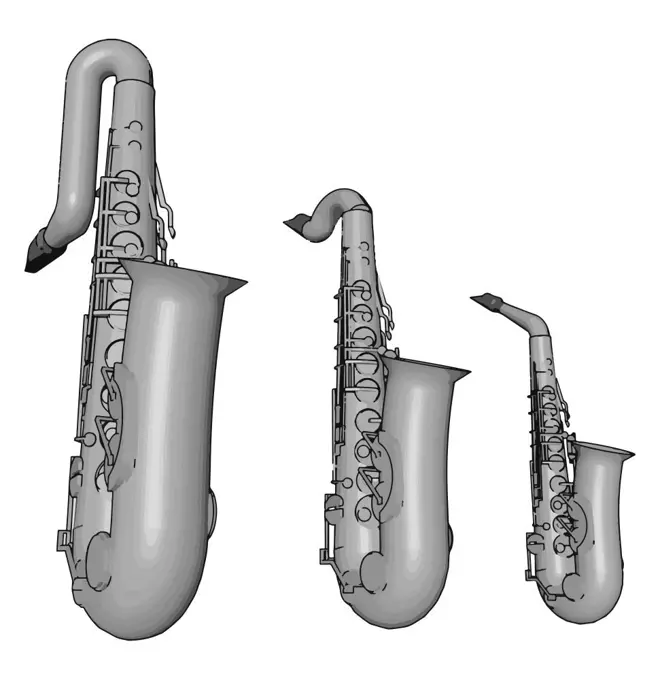
The saxophone (also referred to as the sax) is a conical-bored transposing musical instrument that is a member of the woodwind family. Saxophones are usually made of brass and played with a single-reed mouthpiece similar to that of the clarinet.
1899-20226498
Pedal Harp.
4409-17391852
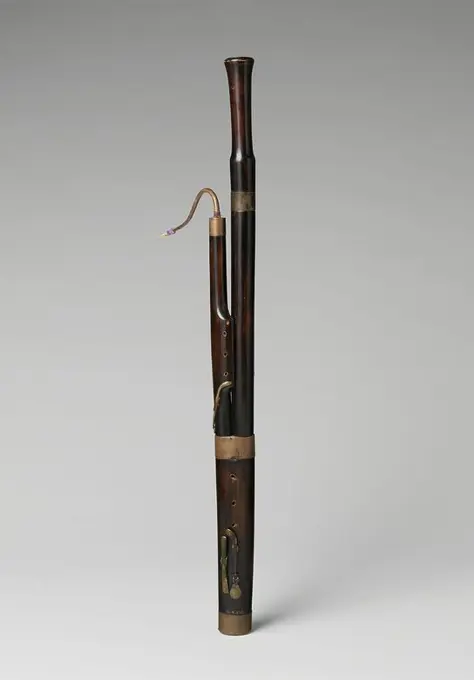
Tenoroon (Tenor Bassoon) in F. Culture: British. Dimensions: Length: 90.2cm (35 1/2in.) Length of tube, approx. 174.5cm (68 11/16in.). Date: ca. 1820. Museum: Metropolitan Museum of Art, New York, USA.
6145-29756097
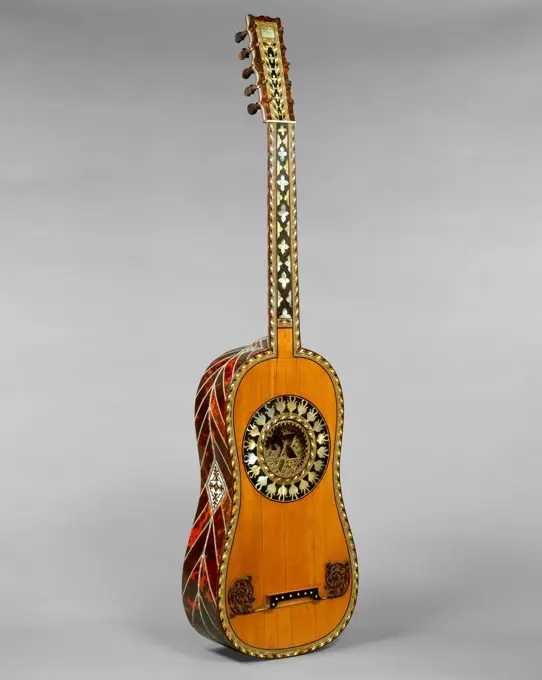
Guitar 1697 attributed to Jean-Baptiste Voboam The back, sides, neck, and peghead of this guitar are overlaid with tortoiseshell, ebony, and ivory chevrons with framed scrollwork, lozenges, and geometric banding and edging. The top has a gilded rosette bordered by a band of mother-of-pearl ornaments. Originally strung with five pairs of strings, this instrument was converted in the late eighteenth or early nineteenth century to six single courses.. Guitar. French. 1697. Spruce, tortoiseshell, mother-of-pearl, ivory, ebony. France. Chordophone-Lute-plucked-fretted
6145-29728200
Quwaytara late 19th century African (North). Quwaytara 501112
6145-29812665
Ūd late 19th century possibly Syrian. Ūd 501000
6145-29741505
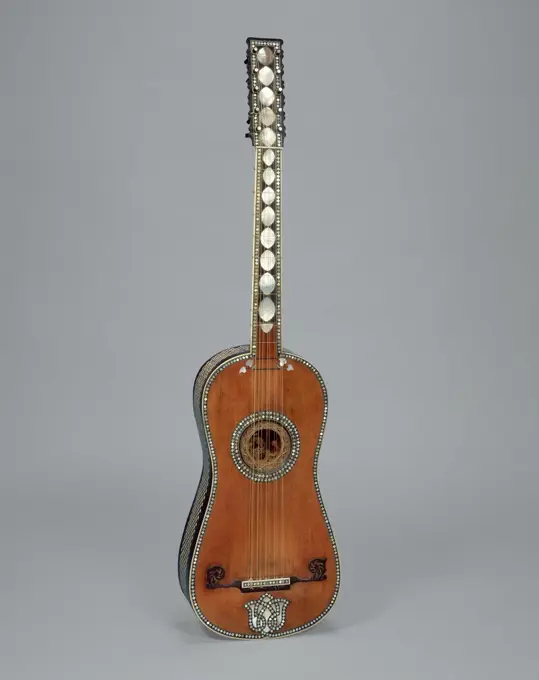
Guitar late 17th century Attributed to Giacomo (Jacob) Ertel German This highly ornate instrument is the product of German craftsmen resident in Rome. The instrument is quite extravagant, having a complex mosaic of bone, ebony and mahogany on the back and sides, whilst the fingerboard is decorated with mother-of-pearl and ebony. This elaborate design featuring costly materials is beautifully executed, indicating that the workshop of Ertel was probably well known and highly esteemed in the first decades of the eighteenth century. The attribution of this guitar is based on a similar instrument at the Ferdinandeum Museum in Innsbruck, Austria. (Daniel Wheeldon, 2016)Technical description: Ten-string guitar (five double courses); Two-piece pine soundboard with artificial ivory binding (originally bone) and purfling (inside binding) of b/w/mother-of-pearl diamonds in mastic/w/b; soundhole diameter of 78.78 mm with binding (from inside out) of ebony/w/b/w/mother-of-pearl diamonds in mastic/w
1525-22862794
red rose and old note notes trumpet love music white background
4220-20433948
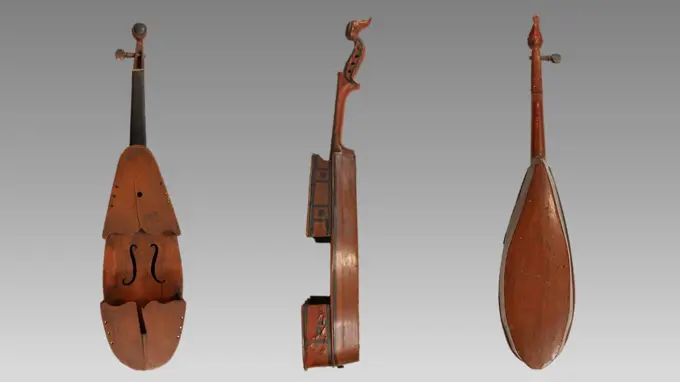
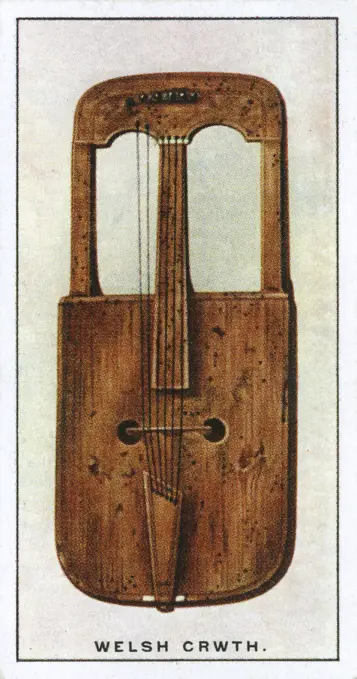
Welsh Crwth - a very rare musical instrument - this example is held in a private collection on Anglesey. Hollowed out of a single block of wood, with the soundboard glued on. Mounted with six strings, four played with a bow and two as finger strings twanged by the players thumb.     Date: 1929
6145-46243427
Pianoforte. King Louis Napoleon ordered this sumptuous piano for his musical wife Hortense, who also played the harp and the harpsichord. It was intended for the concert hall at the Royal Palace in Amsterdam. The instrument was also a showpiece, made of many costly materials and decorated with gilt-bronze ornament (ormolu). When Louis Napoleon abdicated in 1810, he left the piano in the blue salon at the palace.
1525-25076422
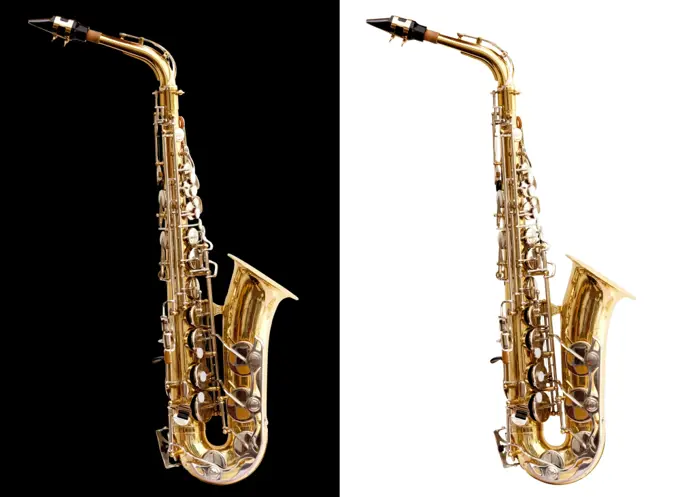
Isolated saxophone with clipping path on black and white for easy use
1848-57221566
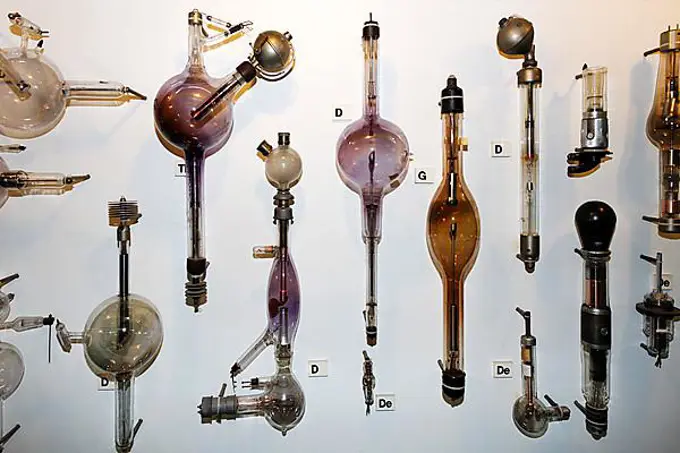
Historic x-ray tubes, exhibit at German Roentgen Museum, Remscheid-Lennep, Germany, Europe
6188-55495644
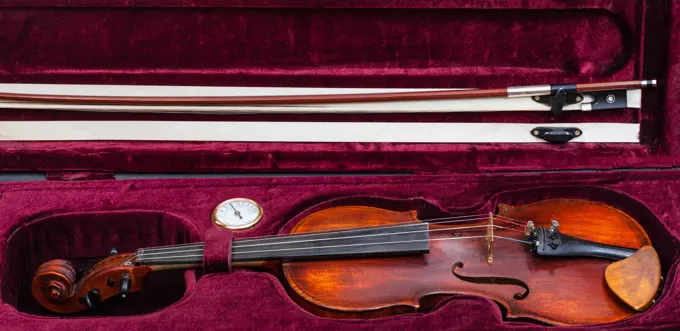
old fiddle with bow in red velvet case old wooden fiddle with bow in red velvet case Copyright: xZoonar.com/ValeryxVoennyyx 8079181
4409-17370836
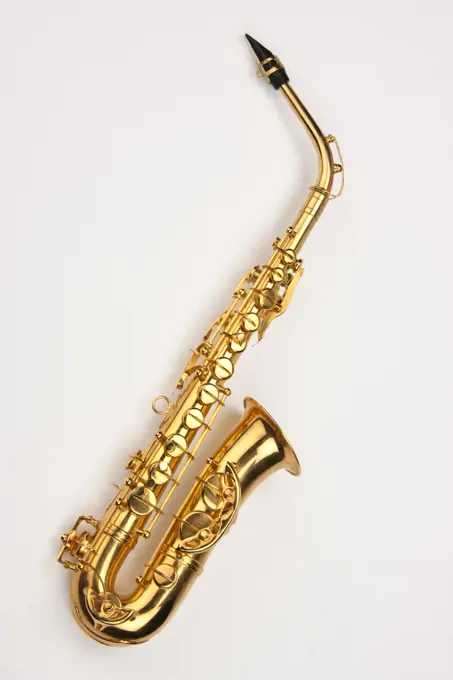
Alto Saxophone. Culture: French. Dimensions: Height (end to end): 23 5/8 in. (60 cm)Diameter (of bell): 4 7/16 in. (11.3 cm). Maker: Arsene-Zoe Lecomte & Cie. Date: after 1887. Museum: Metropolitan Museum of Art, New York, USA.
1525-24350136
Violin vector icon illustration logo template.
1746-19700277
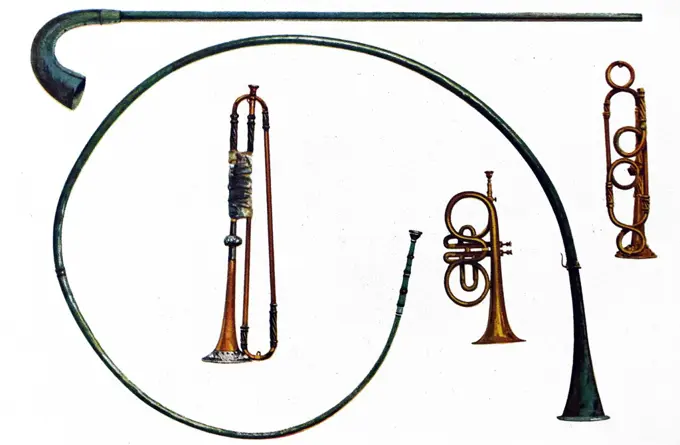
Lituus, Buccina and Cornet Trumpets. The Lituus is from the Roman Cavalry and is the straight instrument with the curved end. The Buccina is from the Roman Infantry and is curved. The Cornet with two valves is one of the earliest adaptations of the increasingly popular pistons.
5507-32894001
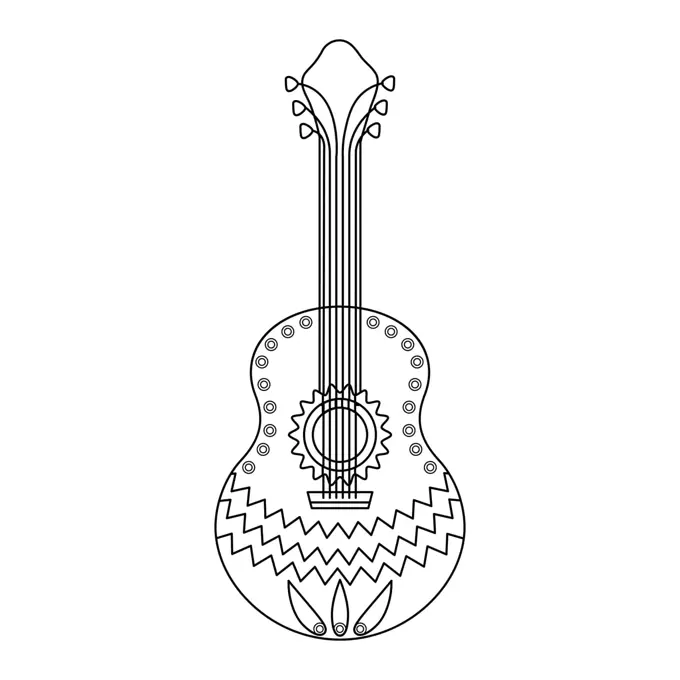
Mexican vintage guitar with ornaments. National symbol of Mexico. Illustration, sketch for coloring
1746-21102032
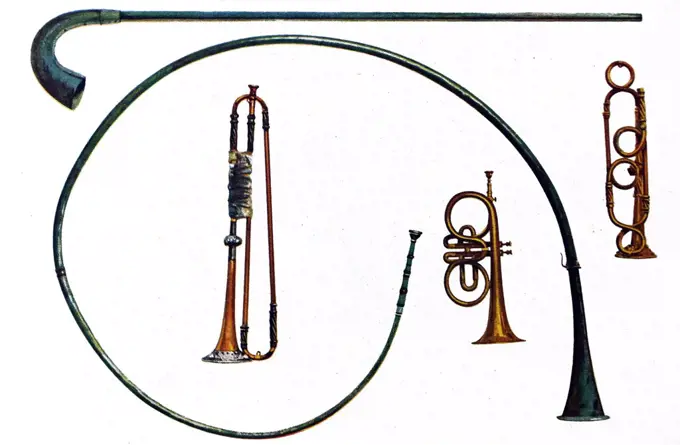
Lituus, Buccina and Cornet Trumpets. The Lituus is from the Roman Cavalry and is the straight instrument with the curved end. The Buccina is from the Roman Infantry and is curved. The Cornet with two valves is one of the earliest adaptations of the increasingly popular pistons.
1525-24515277
Silver saxophone, illustration, vector on white background.
5507-40787376
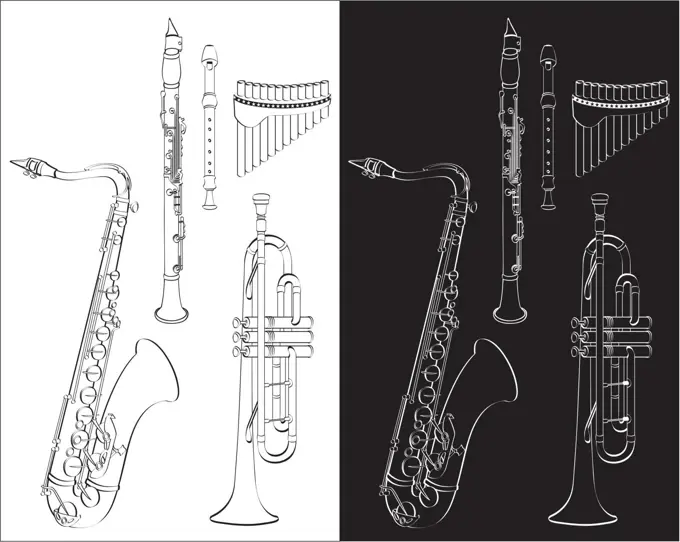
Wind instruments set
1525-24515275
Yellow saxophone, illustration, vector on white background.
4409-48145401
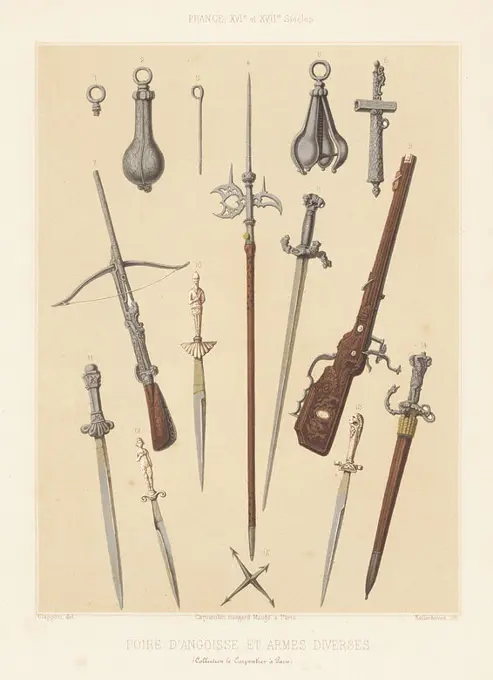
Torture devices and weapons from the 16th and 17th century. Pear of anguish invented by Palioli 1-3,5, halberd 4, key 6, arbalete or crossbow 7, sabre or sword 8, hunting rifle or carabine 9, hunting daggers 10,12,13,14, cheval de frise or Frisian horse 15. Poire d'Angoisse et armes diverses. France, XVIe et XVIIe siecles. Chromolithograph by Franz Kellerhoven after an illustration by Claudius Joseph Ciappori from Charles Louandres Les Arts Somptuaires, The Sumptuary Arts, Hangard-Mauge, Paris, 1858.
4445R-3742
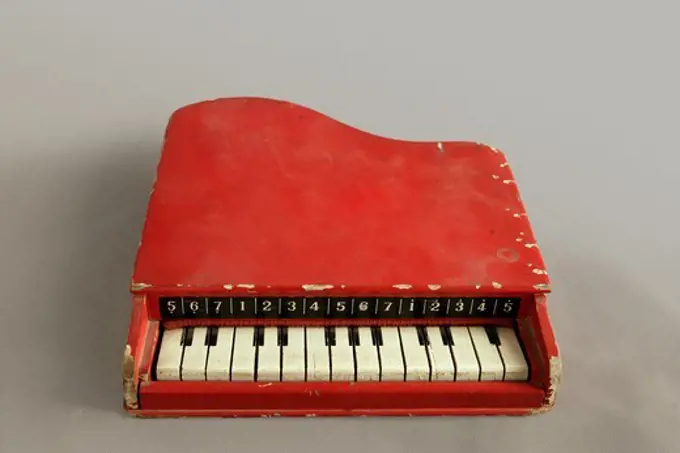
Studio shot of old-fashioned item
6176-66090669
Middle Ages. Musical instruments. Harps, Horn, Double flute, Bagpipe zamorana, Violas, Bow, Crouth. Old engraving illustration from the book Historia
4408-8823
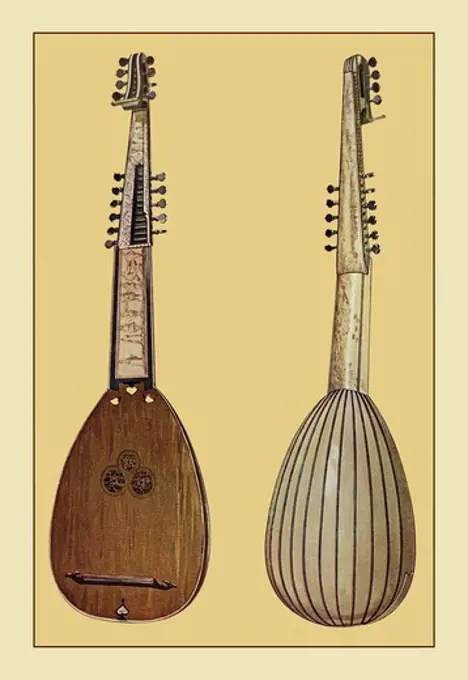
Theorbo, Renaissance Musical Instruments
5507-46838408
Two five string banjo
4408-11755
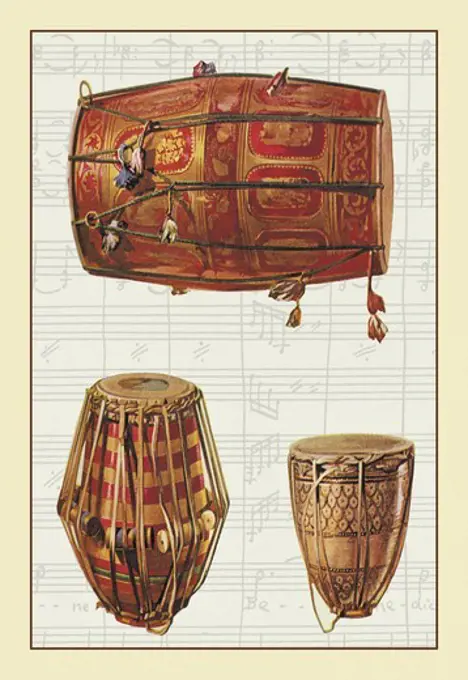
Native American Drums, Musical Instruments
6188-64663193
Posaune Posaune Copyright: xZoonar.com/FinestxPicturex 2102310
1848-50989571
Timba, drum from Brazil, percussion, cutout, Germany, Europe
1848-55060578
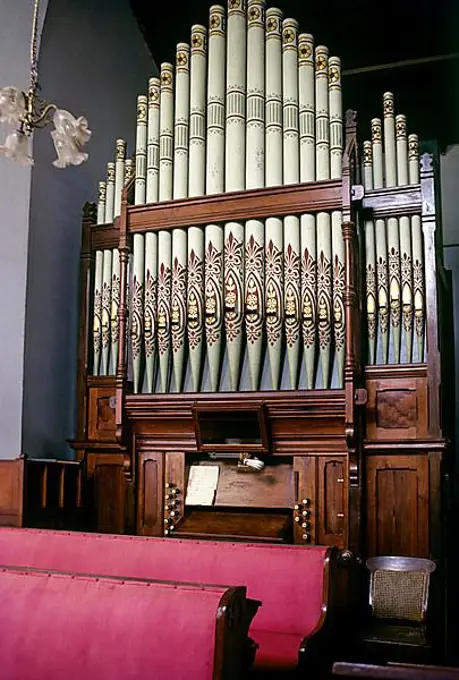
Organ in All Saints Church established in (1853) at Coonoor, Nilgiris, Tamil Nadu, South India, Asia
PREVIOUS
of 1
NEXT
2401 S. Ervay, Suite 206
Dallas, Texas 75215
United States
Browse
CategoriesGalleriesFree Research
For Creators
License Your ContentSuperStock For StudentsFrame of Mind BlogContributor PortalNew Image SpotlightLicense AI Imagery
Resources
About UsLicensingTerms & ConditionsAPI AccessPrivacyPricing
Contact
+1 866 236 0087help@superstock.com Contact form
©2026 SuperStock. All Rights Reserved. -A
This site is protected by reCAPTCHA and Google Privacy Policy and Terms of Service apply.