Fine ArtVintageFootageSubscriptionBoardsFree ResearchPricing
  • Fine Art
  • Vintage
  • Footage
  • Subscription
  • Boards
  • Free Research
  • Pricing

Nanotechnology Visuals

Colorful and artistic renderings of carbon nanotubes and nanoparticle structures, emphasizing their intricate designs and scientific significance.

Graphene Structure
Graphene Structure
173 assets in this story
1525-56183983
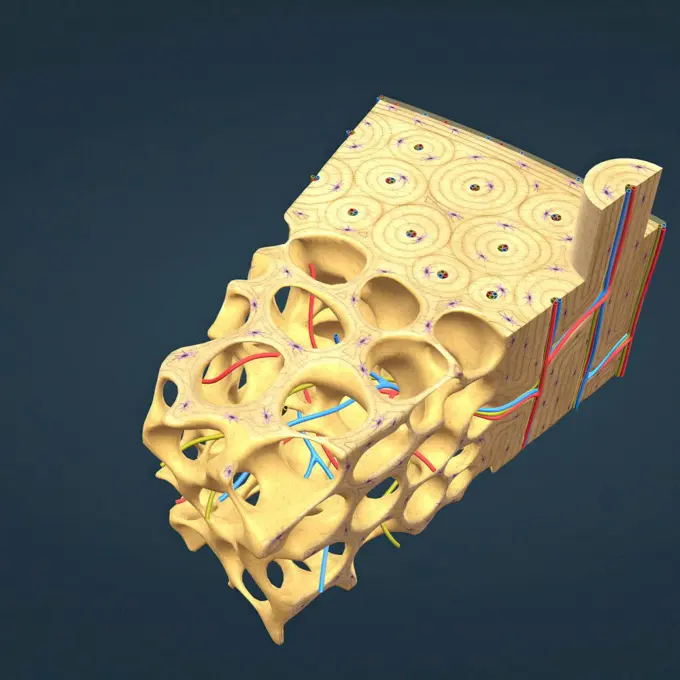
long bone microscopic view anatomy 3d illustration. long bone microscopic view anatomy
4128R-11287105
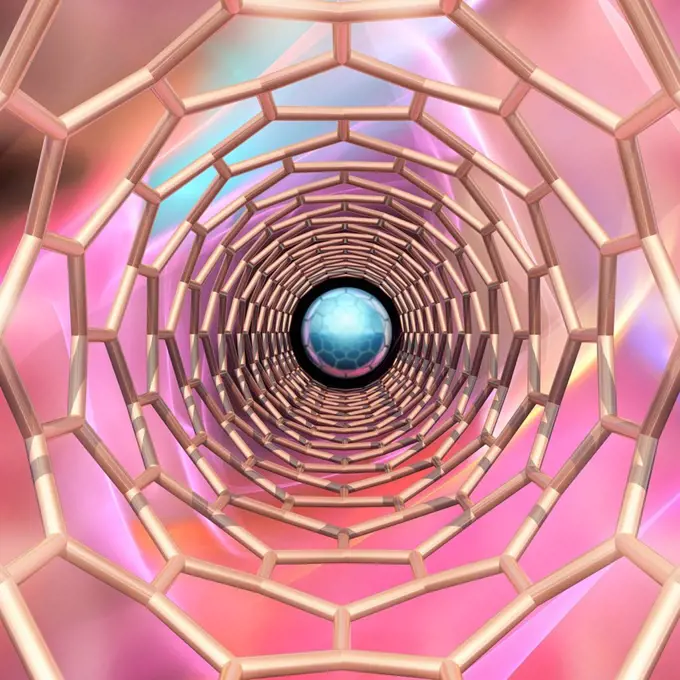
Buckytube, computer artwork.
824-63164816
Schematization of two twin wavelengths superimposed, in order to obtain black or white.
1525-56183864
Chemical synapses are biological junctions through which neurons’ signals can be sent to each other and to non-neuronal cells such as those in muscles or glands. 3D illustration. Chemical synapses allow neurons to form circuits within the central nervous system.
6145-44788280
As the solar wind flows from the sun, it creates a bubble in space known as the heliosphere around our solar system. The heliosphere is the region of space under the influence of our sun.
4128R-14181766
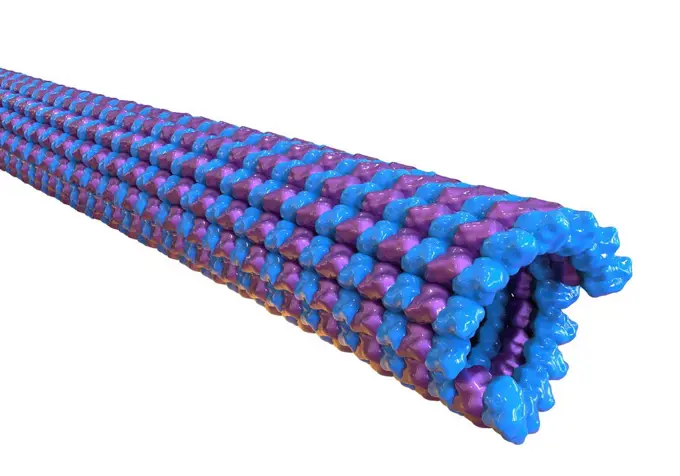
Microtubules, illustration
1439-57948998
Closeup of textured surface under electron microscopy
1525-22988210
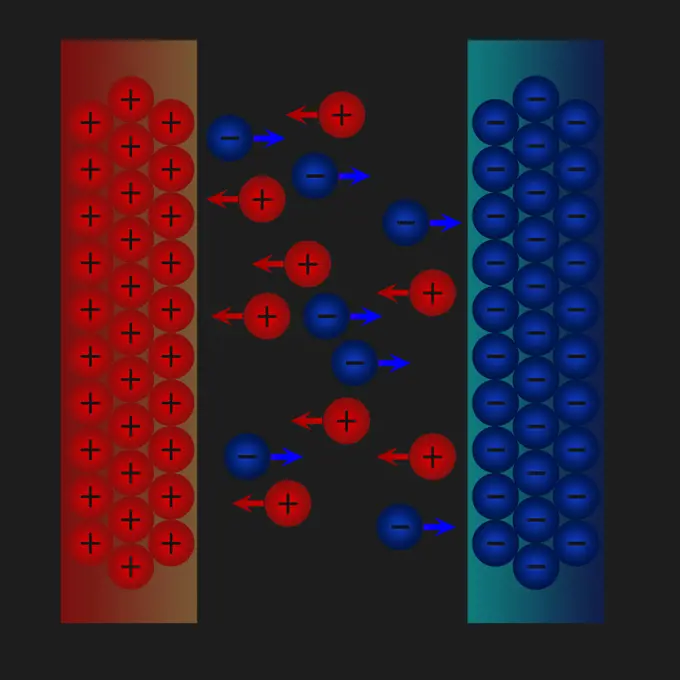
Ions movement to negative electrode and positive electrode. 3D rendering
4355-103
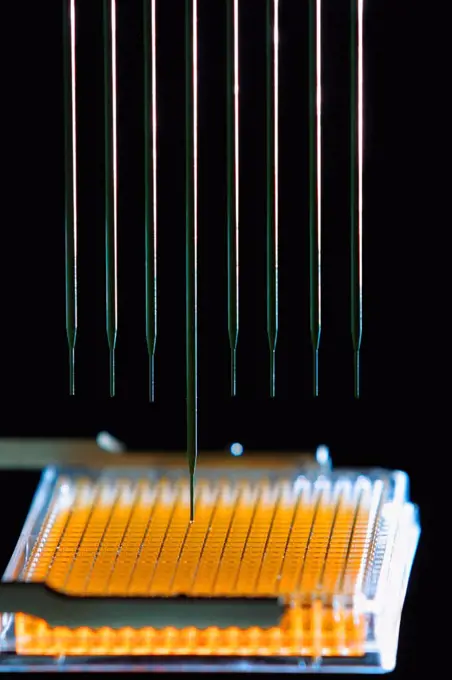
Robotic Syringes Prepare a Multi-Welled Microtiter Plate for Use in a Microarray
1525-26275143
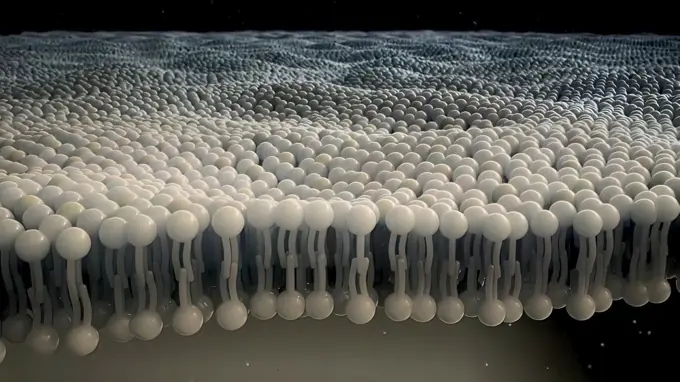
Animated clip showing the lipid layer 3D illustration. Animated clip showing the lipid layer
1899-53509303
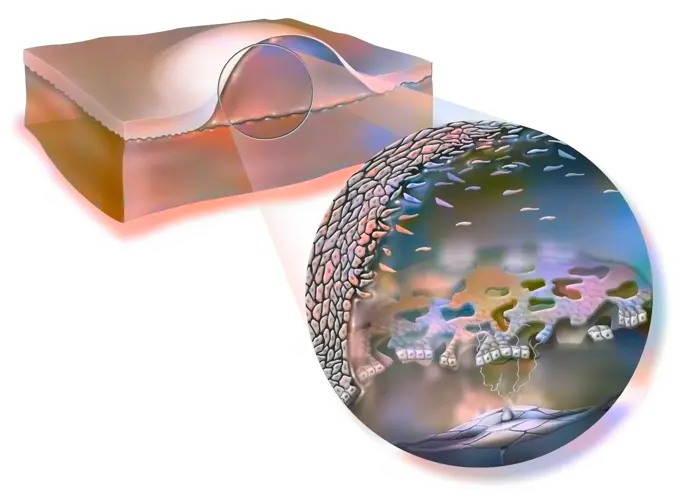
A blister (blister, blister) is a bubble under the skin filled with plasma.
1746-28982190
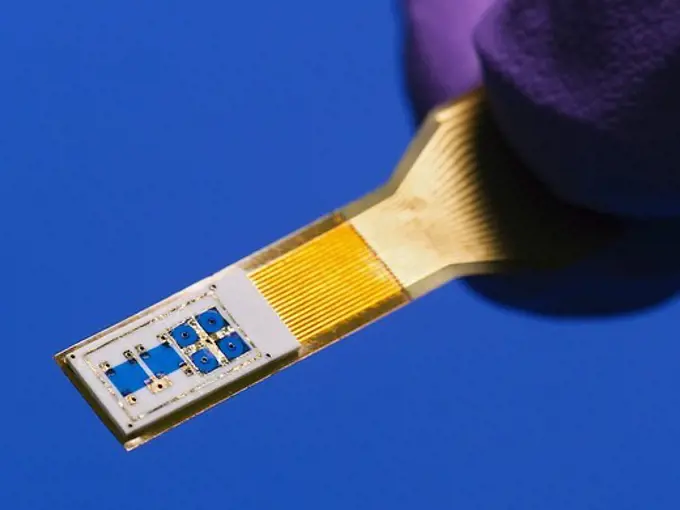
A sample of micro-chips, thin wafers of silicon printed with tiny electronic circuits. Dated 20th Century
1525-20628351
Three vector banner with a molecular structure.. Three vector banner with a molecular structure
4128-18679791
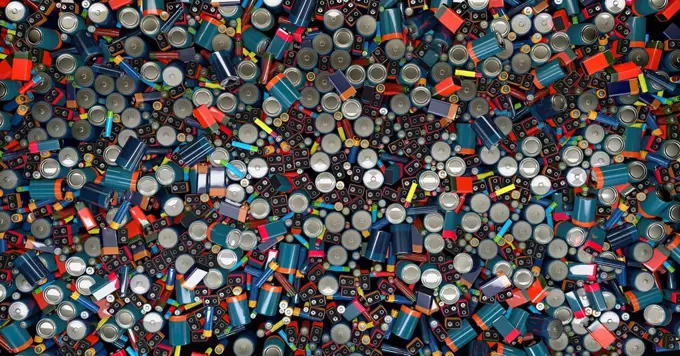
Batteries, illustration
4128R-11310043
Molecular structure of chlorine, computer artwork.
1525-28052049
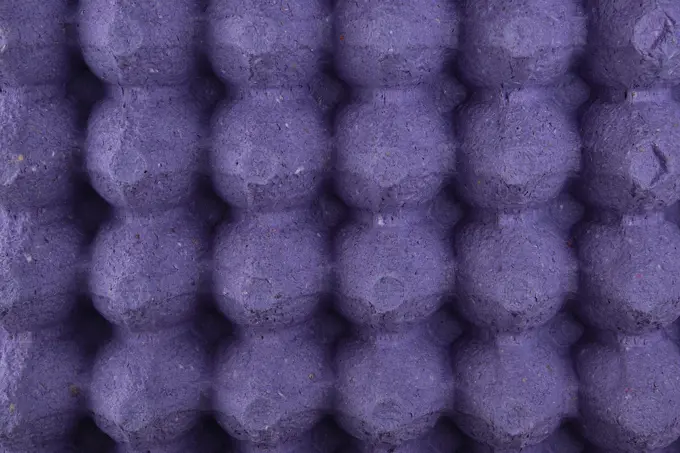
purple protective tray for raw chicken eggs with cells, full frame, close up
4128R-13376519
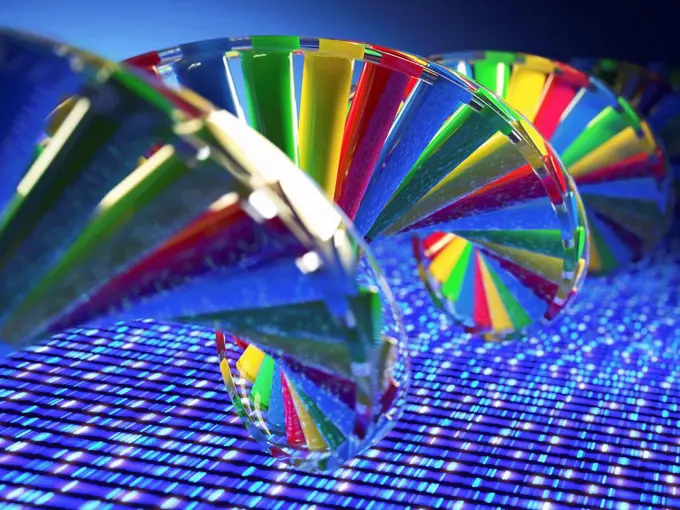
DNA strand, illustration
1525-20849963
Engine Turn Large 02
4128R-13844365
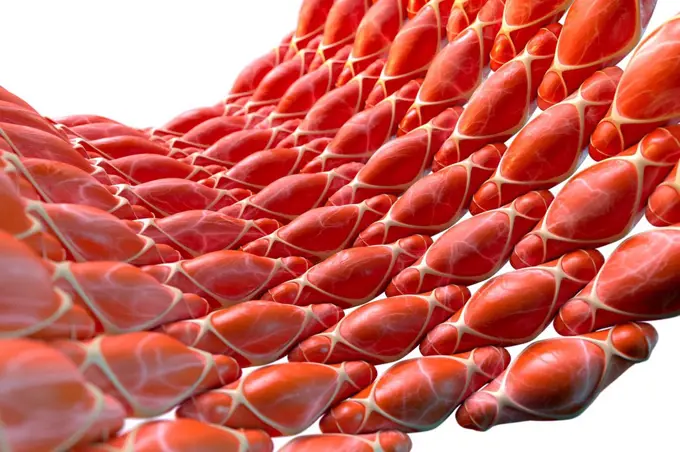
Smooth muscle, illustration. This muscle lines the blood vessels, digestive tract and genitourinary tract.
4128-19358459
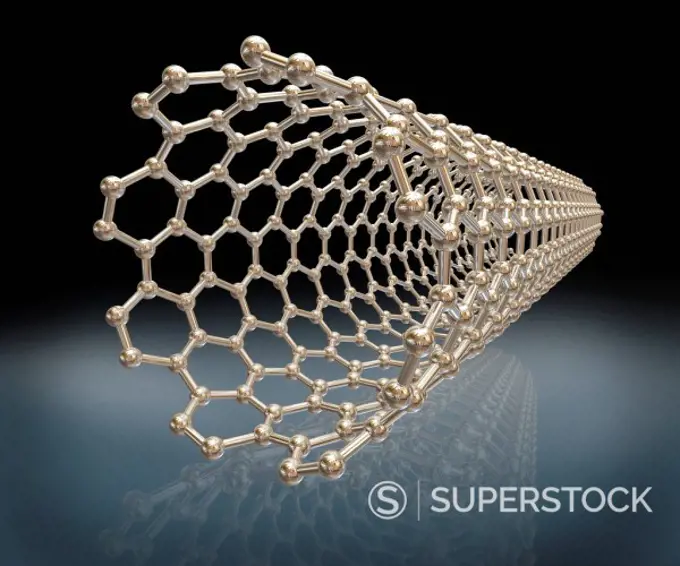
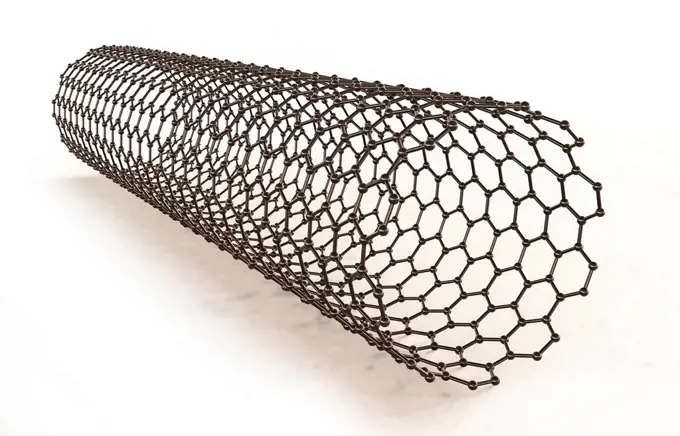
Carbon nanotube. Computer illustration showing the hexagonal carbon structure of a nanotube, or buckytube.
4128R-20556
Nanotechnology research, conceptual image
1525-25083186
Tubules for a cocktail. An abstract background from plastic tubules
4201-22084729
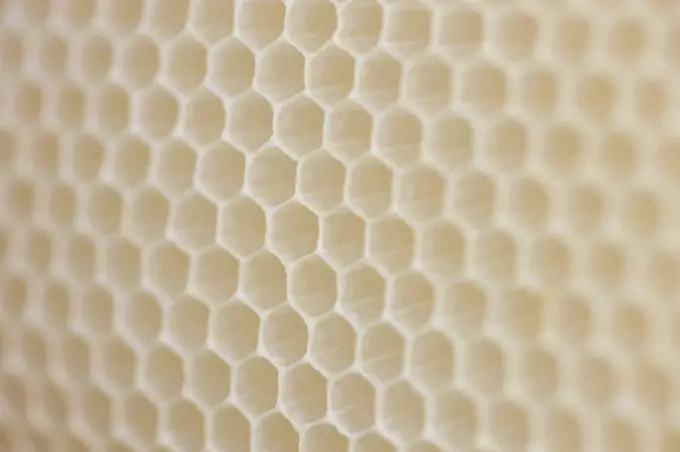
Honey Bee (Apis mellifera) honeycomb with empty cells, Germany
1570R-134208
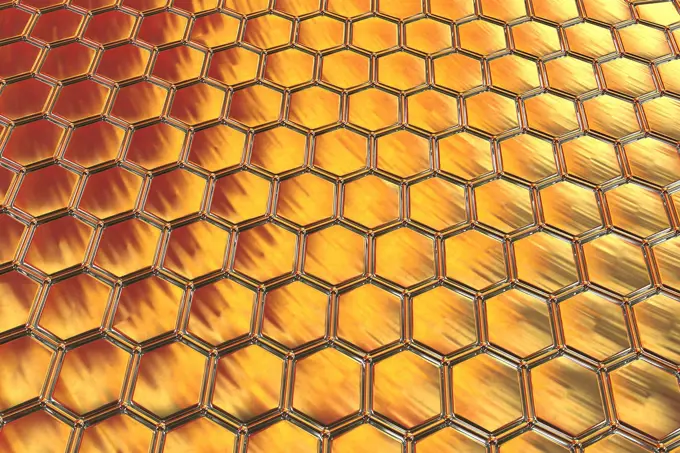
Hexagons in molecular structures
824-63126654
DNA is a long chain like structure formed by a succession of four links or nucleic acids (adenine, thymine, cytosine,guanine) attached to deoxyribose. Each DNA molecule forms a chromosome. Genes transmitted from generation to generation are different sequ
1828R-77171
Water Molecule
4128R-10761
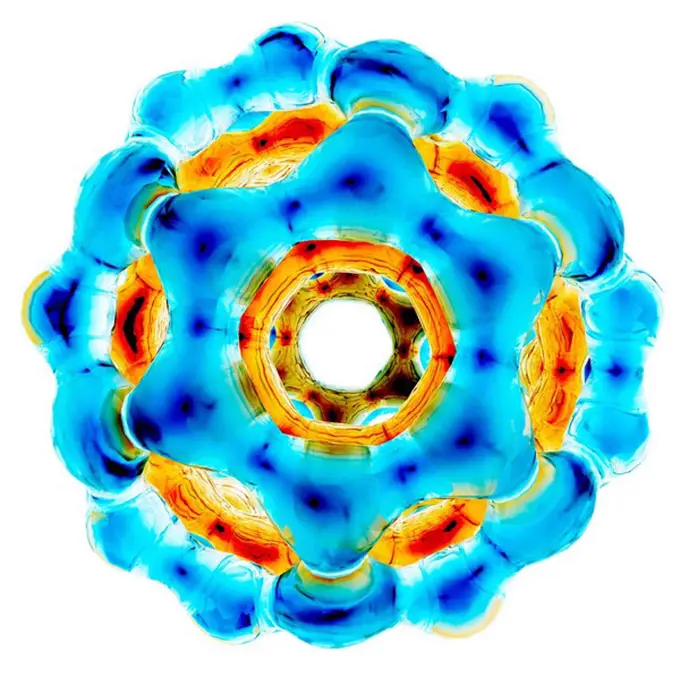
Buckyball, C60 Buckminsterfullerene
4128R-13622319
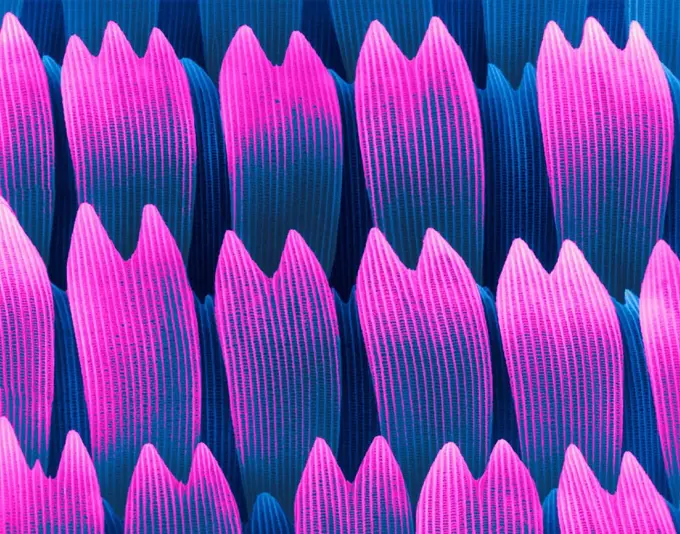
Coloured scanning electron micrograph (SEM) of Swallowtail butterfly wing scales (Papilio rutulus). The western tiger swallowtail (Papilio rutulus) is...
4128R-13234
Carbon nanotube, computer artwork.
1525-27189075
Social distancing isolation disease control and limiting contact with others to avoid infection to limit infectious spread as an abstract concept with an individual isolated from population with 3D illustration elements.
1525R-10406
4128R-15466426
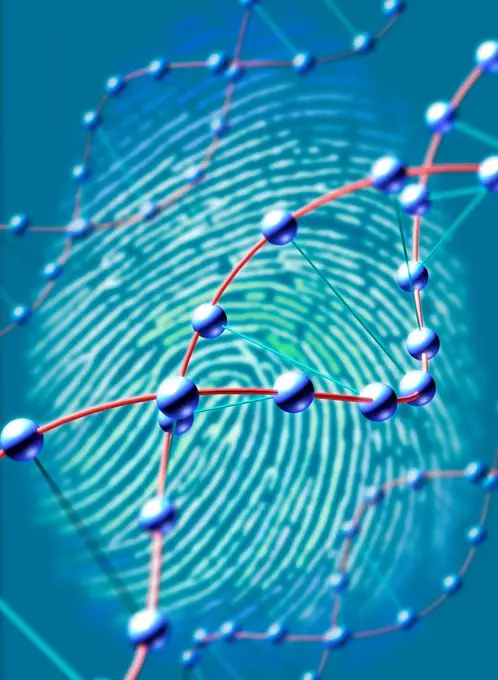
DNA fingerprint, illustration
4128-111495045
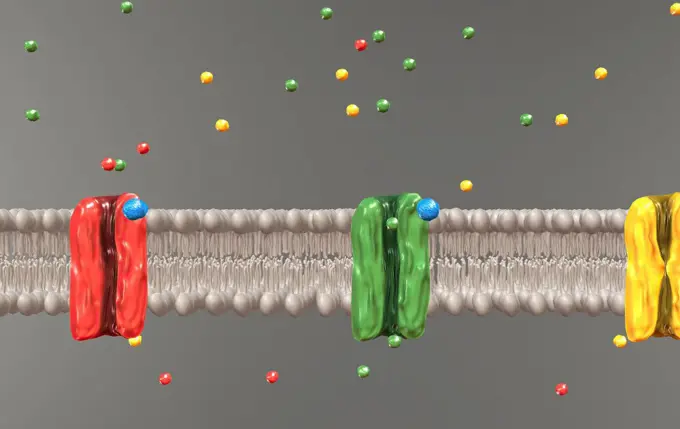
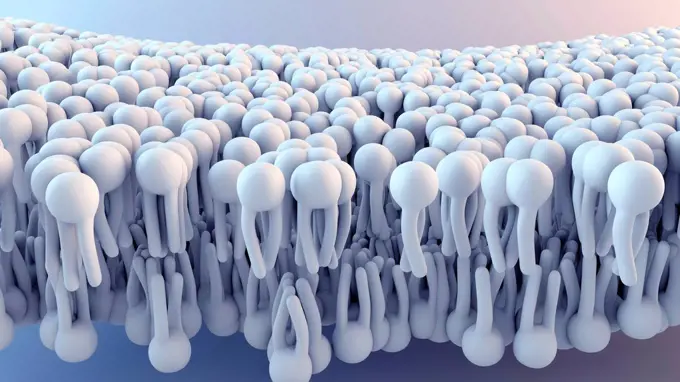
Cell membrane structure, illustration.
6145-45250541
Protein isolated from hen egg-white and functions as a bacteriostatic enzyme by degrading bacterial cell walls. First enzyme ever characterized by protein crystallography. It is used as an excellent model system for better understanding parameters involved in microgravity experiments with data from laboratory experiments to study the equilibrium rate of hanging drop experiments in microgravity.
4128R-15466678
Bioprinting of artificial bone, illustration
6188-58135277
A micro cell on monitor in laboratory A micro cell on monitor in laboratory Copyright: xZoonar.com/OxanaxRishnyakx 7745833
6176-62007095
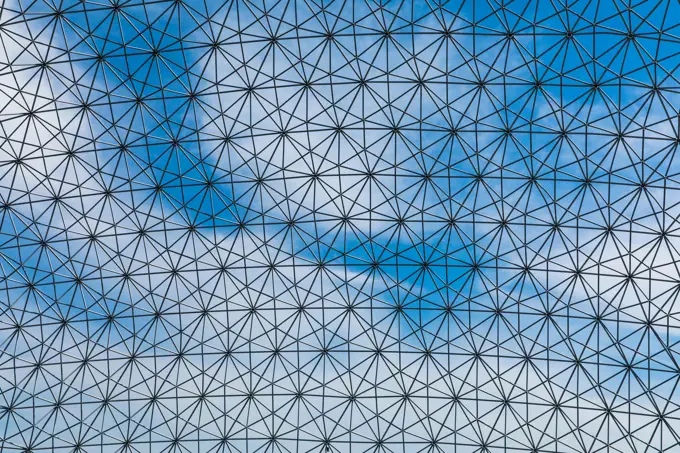
Canada,Quebec,Montreal, Biosphere
6145-44592084
This image depicts the formation of multiple whirlpools in a sodium gas cloud. Scientists who cooled the cloud and made it spin created the whirlpools in a Massachusetts Institute of Technology laboratory, as part of NASA-funded research. This process is similar to a phenomenon called starquakes that appear as glitches in the rotation of pulsars in space. MIT's Wolgang Ketterle and his colleagues, who conducted the research under a grant from the Biological and Physical Research Program through NASA's Jet Propulsion Laboratory, Pasadena, Calif., cooled the sodium gas to less than one millionth of a degree above absolute zero (-273 Celsius or -460 Fahrenheit). At such extreme cold, the gas cloud converts to a peculiar form of matter called Bose-Einstein condensate, as predicted by Albert Einstein and Satyendra Bose of India in 1927. No physical container can hold such ultra-cold matter, so Ketterle's team used magnets to keep the cloud in place. They then used a laser beam to make the g
4128-V58570319
4128-24795712
Graphene, illustration
4128R-13048267
Zika virus, computer illustration. This is an RNA (ribonucleic acid) virus from the Flaviviridae family. It is transmitted to humans via the bite of a...
1525-56211389
A myofibril is a basic rod-like organelle of the muscle cell. Skeletal muscles are composed of long, tubular cells known as muscle fibers, and these cells contain many myofibrillar chains. 3D illustration. Myofibril, whose group consists of contractile fibers running parallel along the length of the striated muscle fibers.
4128R-13271181
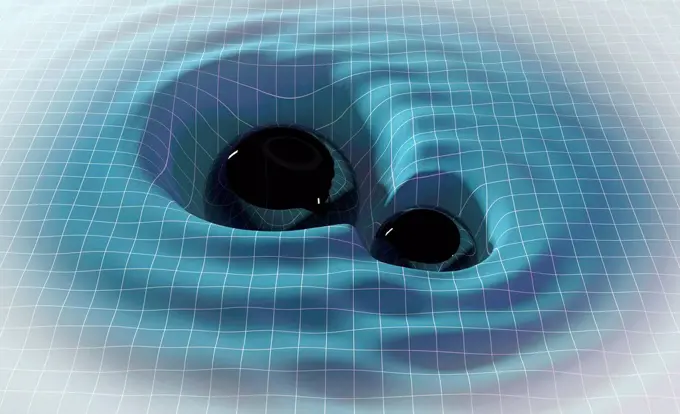
Illustration of two black holes orbiting each other, emitting gravitational waves. Gravitational waves are a prediction of Einstein's theory of genera...
4128-28968477
Graphene sheet, illustration
6145-45251529
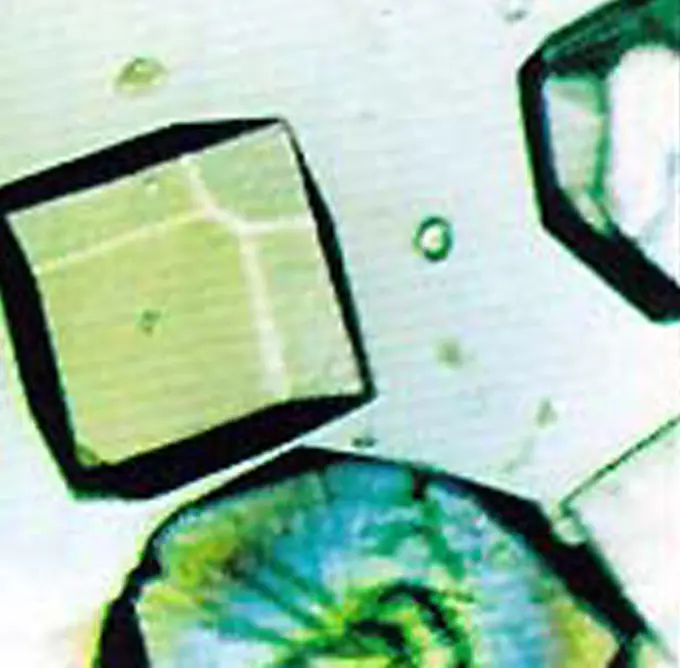
To the crystallographer, this may not be a diamond but it is just as priceless. A Lysozyme crystal grown in orbit looks great under a microscope, but the real test is X-ray crystallography. The colors are caused by polarizing filters. Proteins can form crystals generated by rows and columns of molecules that form up like soldiers on a parade ground. Shining X-rays through a crystal will produce a pattern of dots that can be decoded to reveal the arrangement of the atoms in the molecules making up the crystal. Like the troops in formation, uniformity and order are everything in X-ray crystallography. X-rays have much shorter wavelengths than visible light, so the best looking crystals under the microscope won't necessarily pass muster under the X-rays. In order to have crystals to use for X-ray diffraction studies, crystals need to be fairly large and well ordered. Scientists also need lots of crystals since exposure to air, the process of X-raying them, and other factors destroy them.
4128R-9290
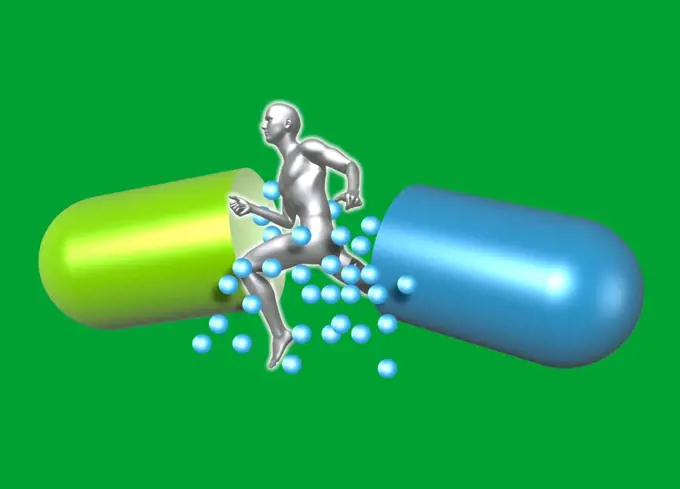
Drugs in sport, conceptual artwork
4128R-18462
Carbon nanotubes, computer artwork.
6145-45245873
As the most abundant protein in the circulatory system albumin contributes 80% to colloid osmotic blood pressure. Albumin is also chiefly responsible for the maintenance of blood pH. It is located in every tissue and bodily secretion, with extracellular protein comprising 60% of total albumin. Perhaps the most outstanding property of albumin is its ability to bind reversibly to an incredible variety of ligands. It is widely accepted in the pharmaceutical industry that the overall distribution, metabolism, and efficiency of many drugs are rendered ineffective because of their unusually high affinity for this abundant protein. An understanding of the chemistry of the various classes of pharmaceutical interactions with albumin can suggest new approaches to drug therapy and design. Principal Investigator Dan Carter/New Century Pharmaceuticals
4128R-15367074
Molecular model of silicene
4128R-15221410
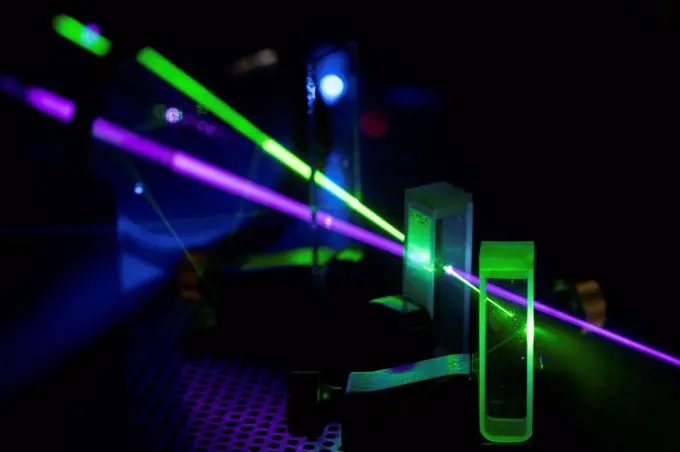
Photonics laboratory
6132-V28666249
4128R-14657
Computer artwork depicting two bacteria in wireframe style.
1525-56184293
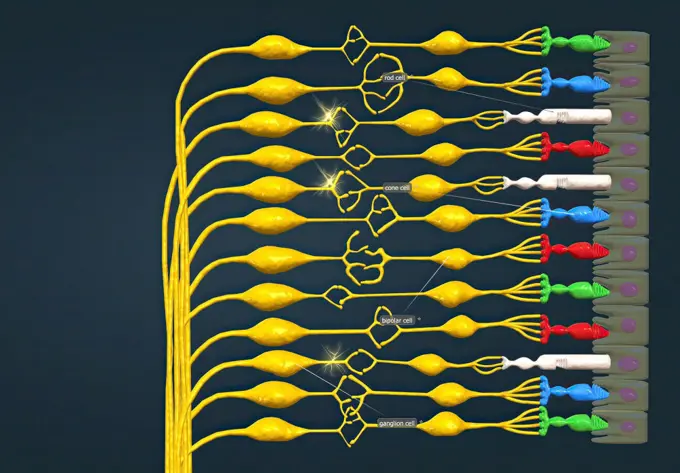
Neural Circuitry of the Retina 3D illustration. Neural Circuitry of the Retina
1525-26049325
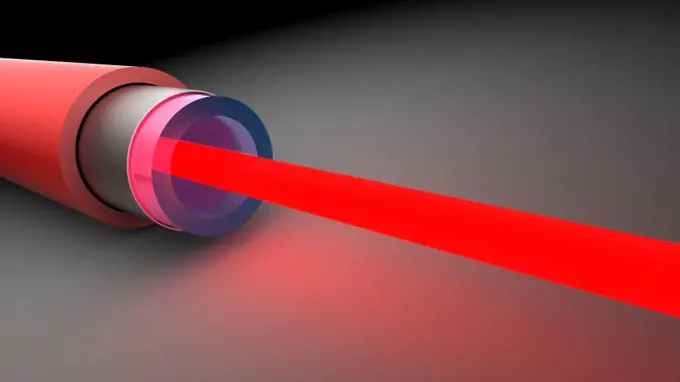
3d illustration of fiber optics with red laser light
6145-45230270
CT scans of the spcimens on STS-79 reveal internal cone-shaped features and radial patterns not seen in specimens processed on the ground. The lighter areas are the densest in these images. CT scans produced richly detailed images allowing scientists to build 3D models of the interior of the specimens that can be compared with microscopic examination of thin slices. This view depict horizontal slices from top to bottom of a flight specimen. Sand and soil grains have faces that can cause friction as they roll and slide against each other, or even cause sticking and form small voids between grains. This complex behavior can cause soil to behave like a liquid under certain conditions such as earthquakes or when powders are handled in industrial processes. Mechanics of Granular Materials (MGM) experiments aboard the Space Shuttle use the microgravity of space to simulate this behavior under conditions that carnot be achieved in laboratory tests on Earth. MGM is shedding light on the behavi
4128R-15221167
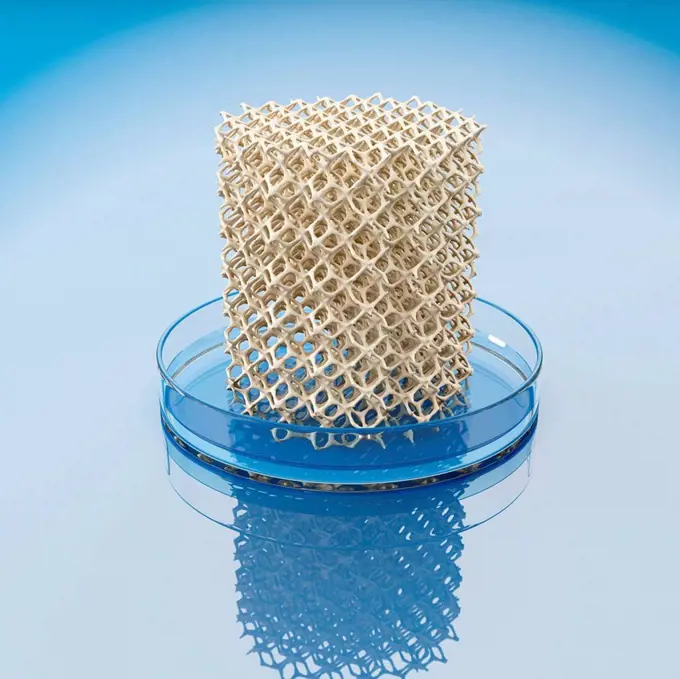
Metamaterial samples made on 3D printer
1848-54755425
NaMLab GmbH
4128-V58573726
4128R-15367083
Molecular model of silicene
4128R-13620015
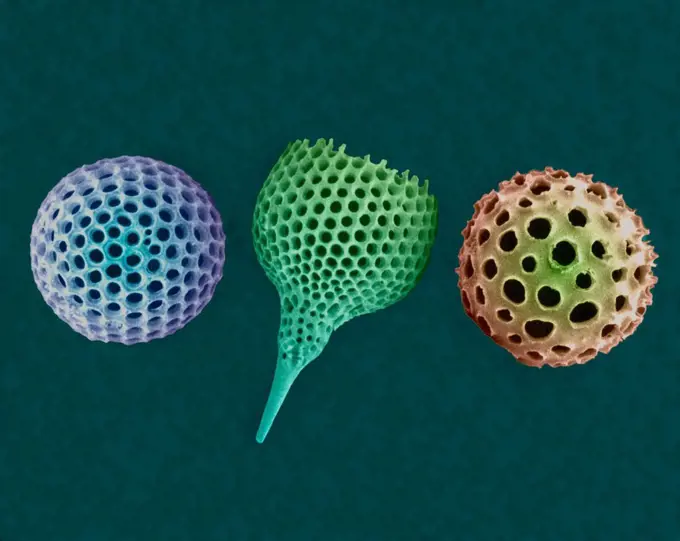
Radiolarian tests (salt water), coloured scanning electron micrograph (SEM). The hard skeletons are composed of silica or strontium sulphate. The Radi...
6145-45250778
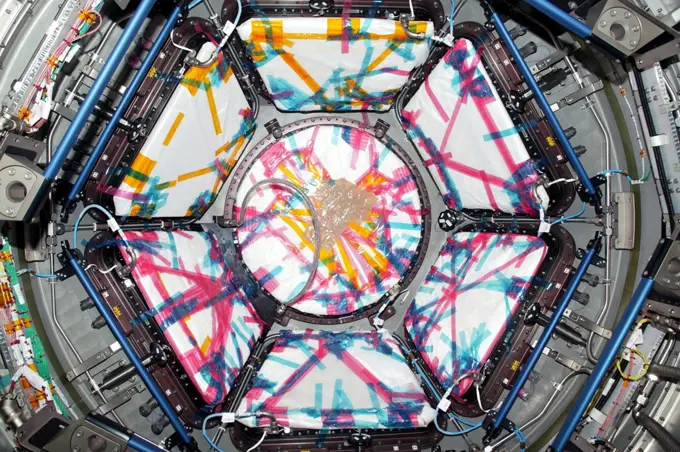
JSC2004-E-44650 (September 2004) --- A crewmember-eye view of the International Space Station's Cupola in the Alenia Spazio clean room in Turin, Italy. Personnel are preparing the hardware for shipment to NASA's launch facility at Cape Kennedy, Florida. From inside the Cupola, a dome-shaped module with seven windows (seen here under a protective cover), astronauts have a panoramic view for observing operations on the outside of the orbiting complex. The Cupola module provides external observation capabilities during spacewalks, docking operations, hardware surveys and for Earth and celestial studies. It also serves as the primary location for executing robot arm operations of Canadarm2. Until the Cupola is installed, crews have been using a robotic control computer station located in the Destiny Laboratory to operate the arm. The Cupola’s windows enhance the robotic arm operator's situational awareness, supplementing camera and graphic views provided by the computer workstation.
1848-49491277
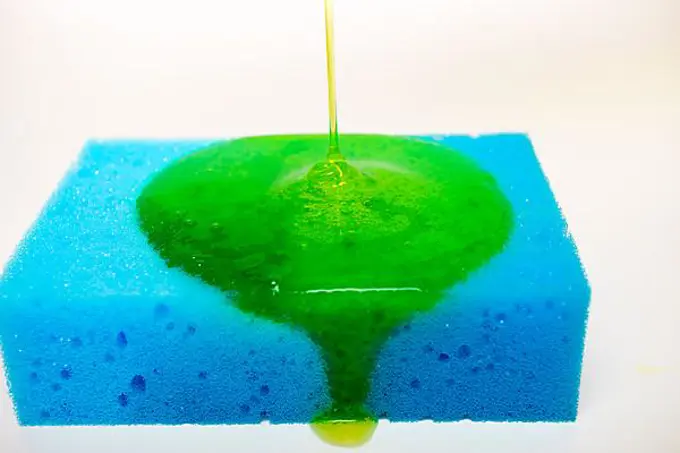
Green liquid soap dripping on a blue sponge on a white background
6188-58135580
Atom model on blue background at monitor Atom model on blue background at monitor Copyright: xZoonar.com/OxanaxRishnyakx 7862859
1848-49528507
Chambered Nautilus (Nautilus pompilius) Shell Cleaved in Half
1525-24994702
Detail of a multicolour fibers illumination system inside the central pole of a rinascimental spiral staircase. Rome, Italy.
4128R-13742
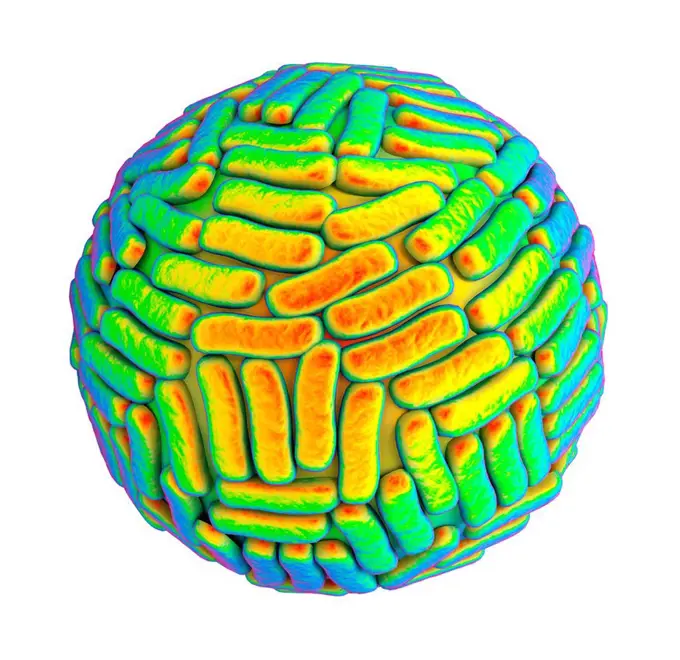
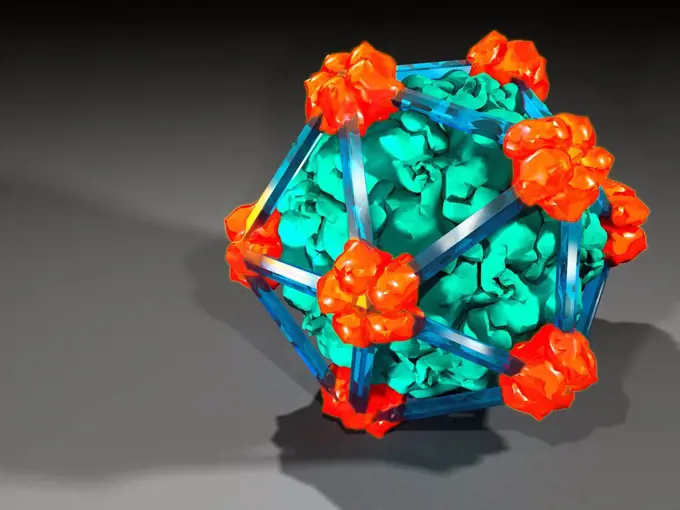
Bacteriophage alpha 3. Computer model showing the structure of the protein capsid of bacteriophage alpha 3. Bacteriophages are viruses that infect bac...
4128R-10743
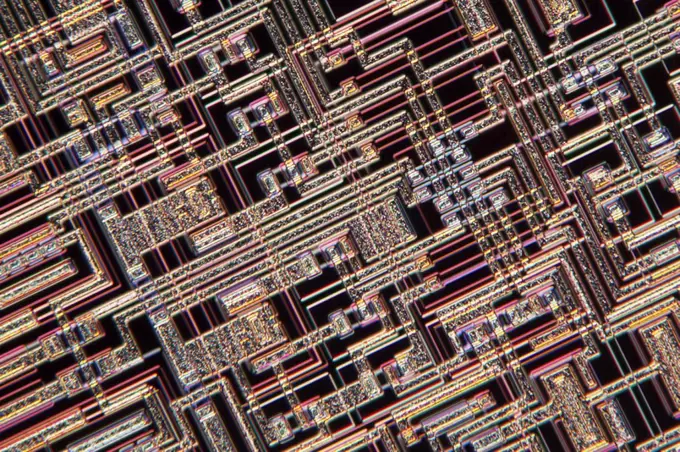
Microchip, light micrograph
1525-25319523
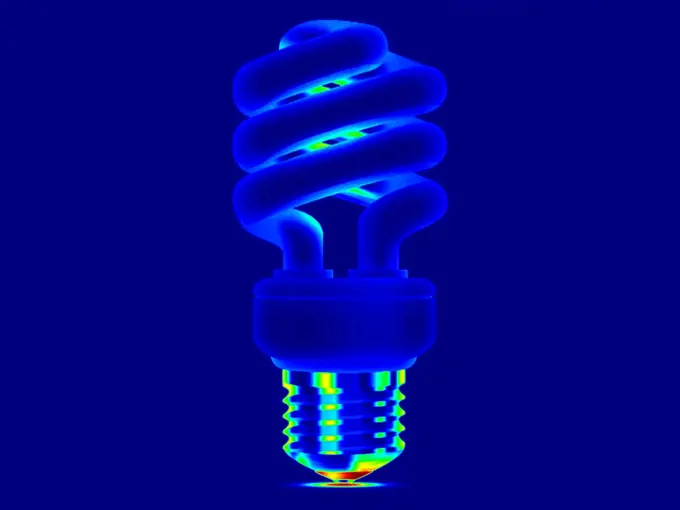
fluorescent light bulb
824-63164635
Bone structure with zoom showing the cells that make up bone tissue.
4389-2106
Mars Oxidant Instrument (MOI)
4128-111494516
DNA (deoxyribonucleic acid) molecule, conceptual image.
4128R-10731
Microchip, light micrograph
4128-111495577
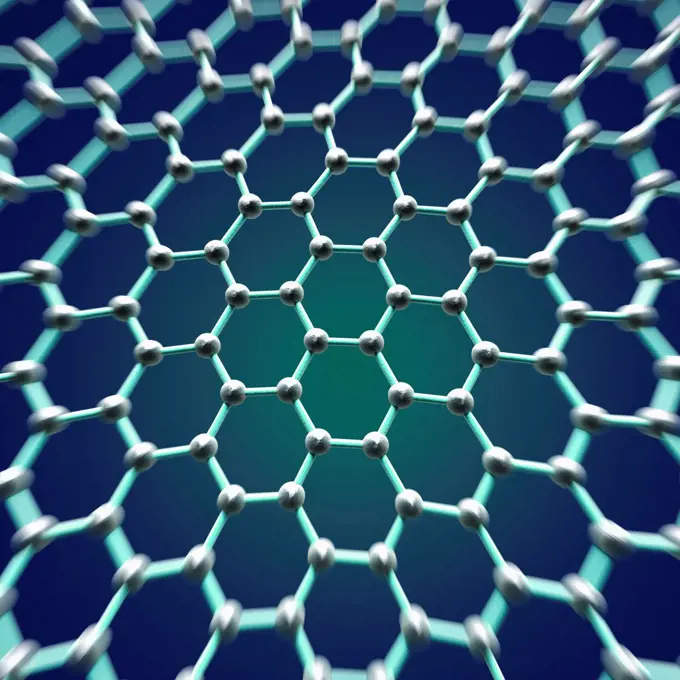
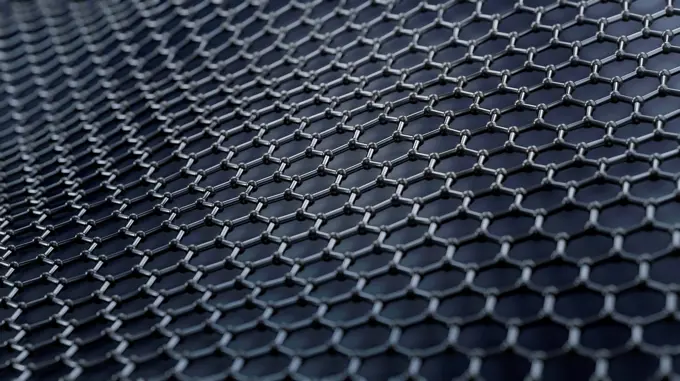
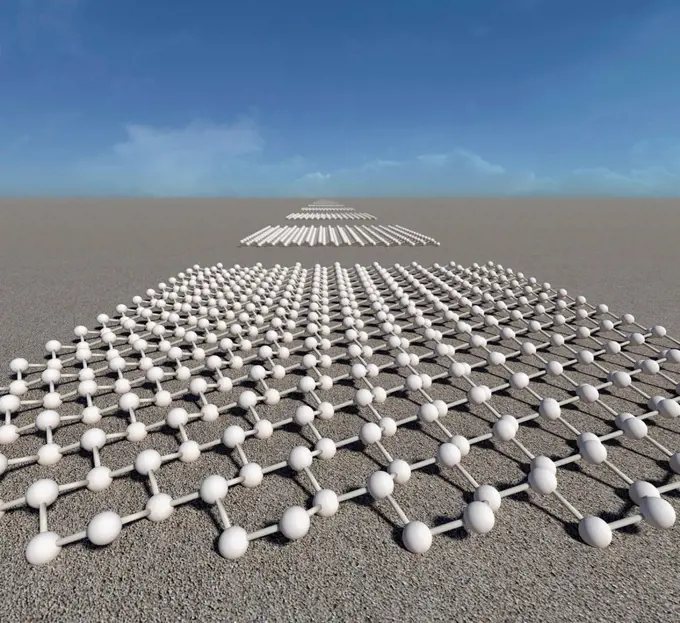
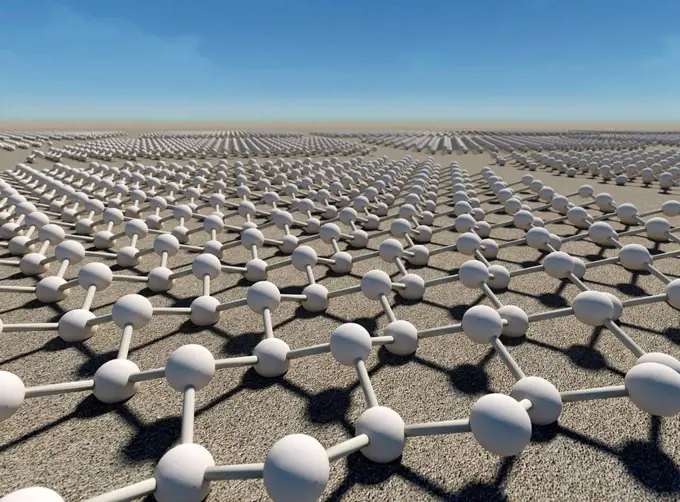
Graphene is composed of carbon atoms distributed in hexagonal pattern, illustration.
PREVIOUS
of 2
NEXT
2401 S. Ervay, Suite 206
Dallas, Texas 75215
United States
Browse
CategoriesGalleriesFree Research
For Creators
License Your ContentSuperStock For StudentsFrame of Mind BlogContributor PortalNew Image SpotlightLicense AI Imagery
Resources
About UsLicensingTerms & ConditionsAPI AccessPrivacyPricing
Contact
+1 866 236 0087help@superstock.com Contact form
©2026 SuperStock. All Rights Reserved. -B
This site is protected by reCAPTCHA and Google Privacy Policy and Terms of Service apply.