NASA Spacecraft Preparation

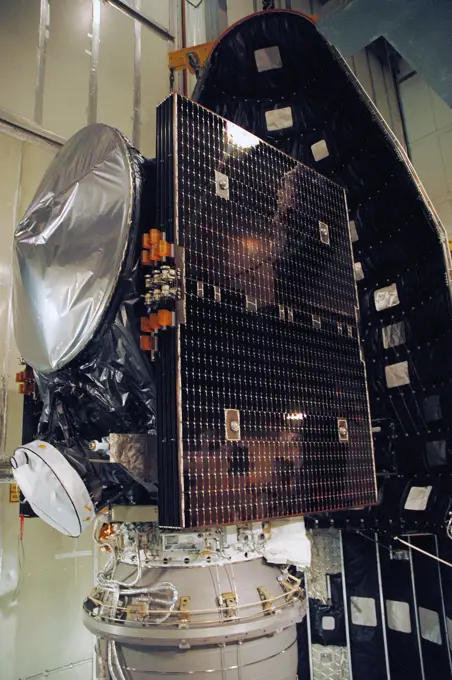
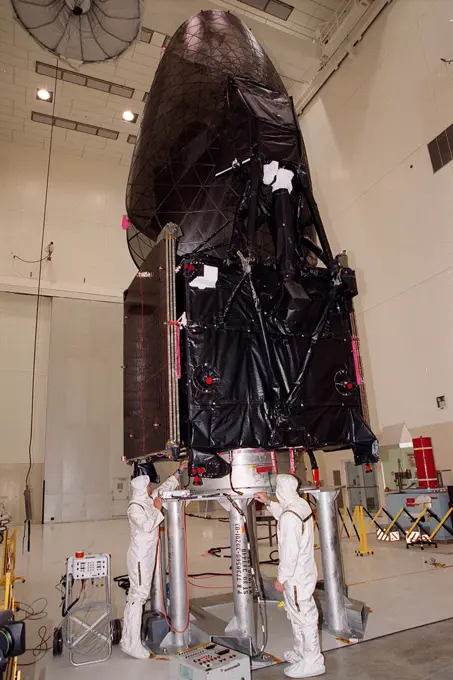
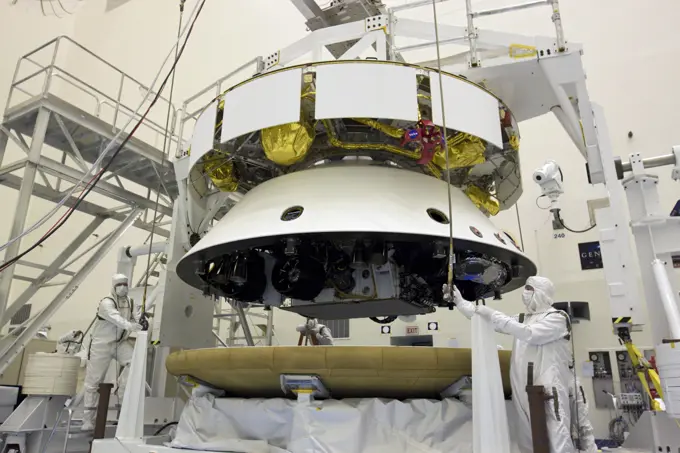
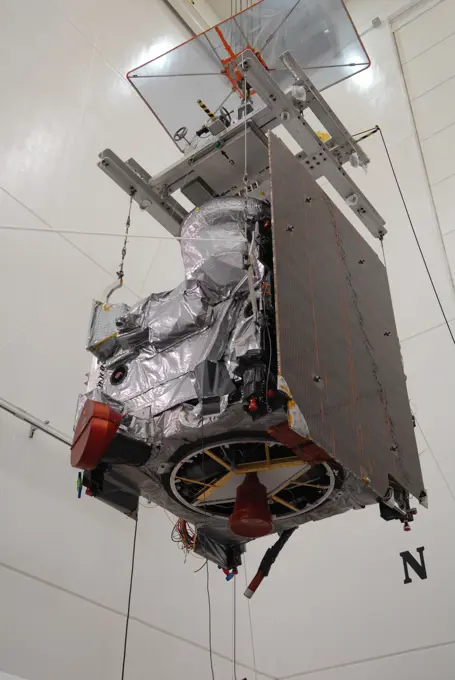
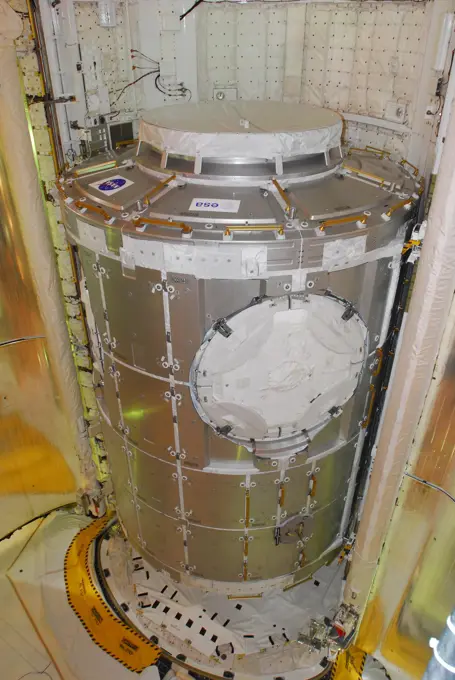
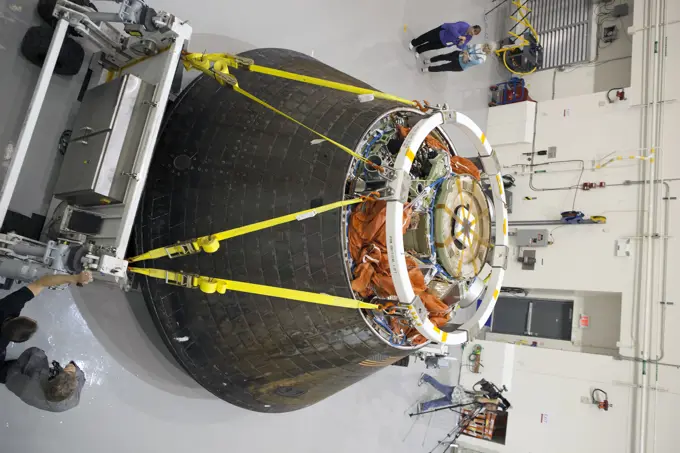
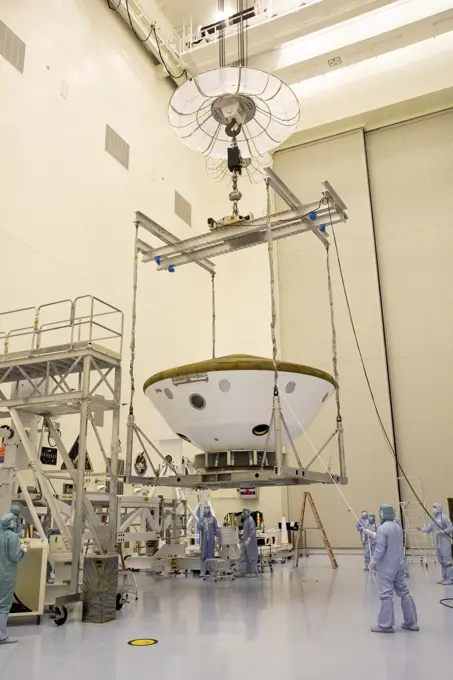
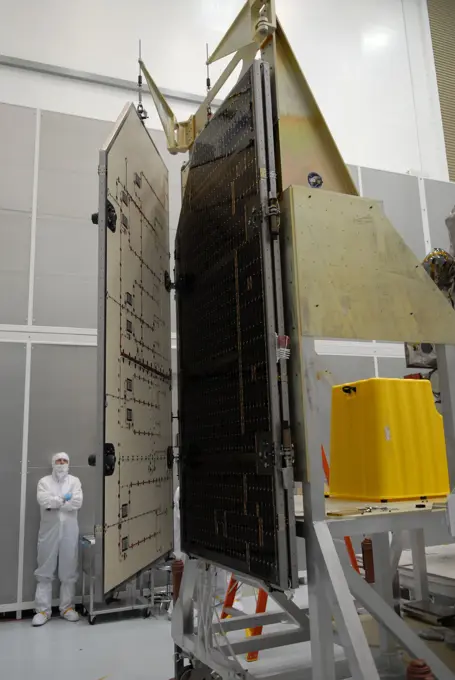
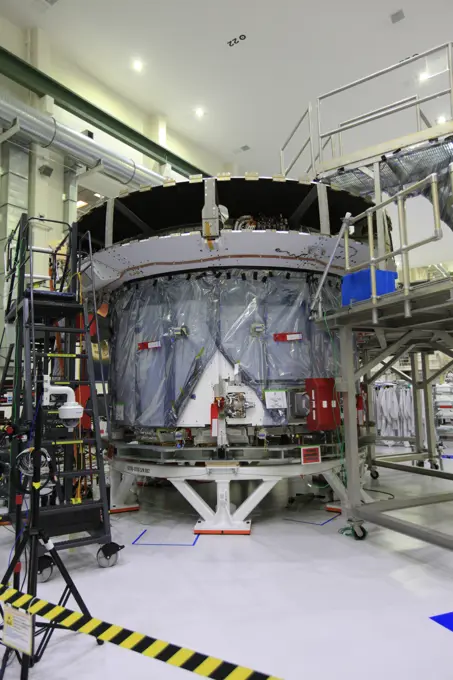
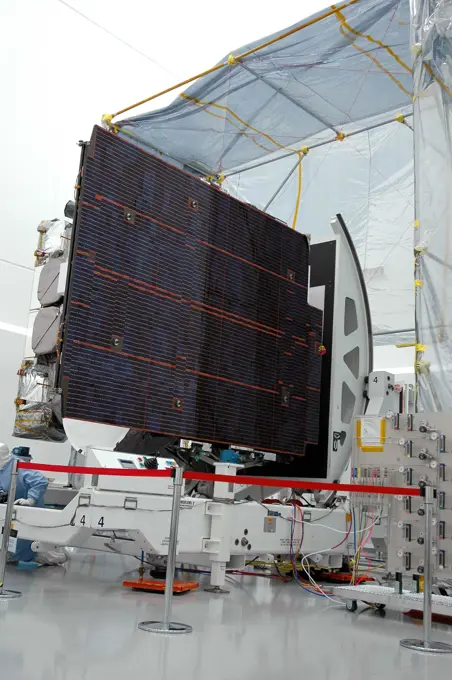
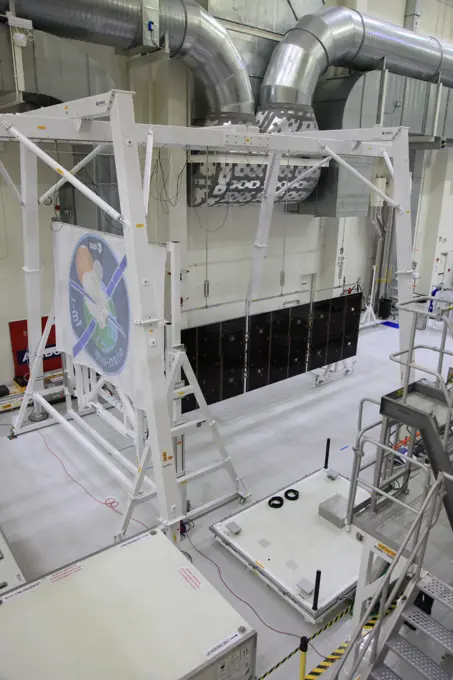
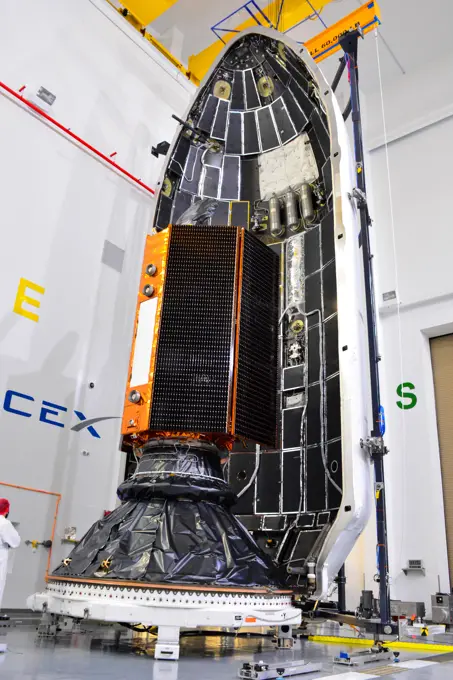
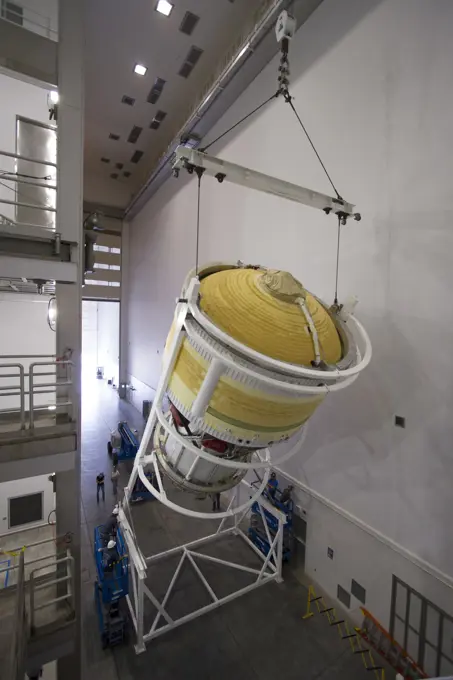
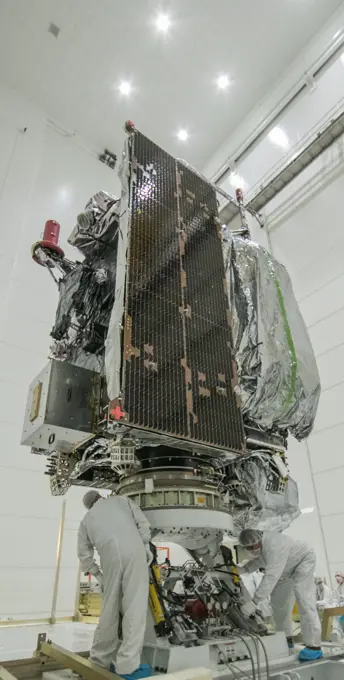
Images show technicians working on various NASA spacecraft, including rovers and satellites, in cleanroom environments with advanced technology and equipment, highlighted by sterile conditions.

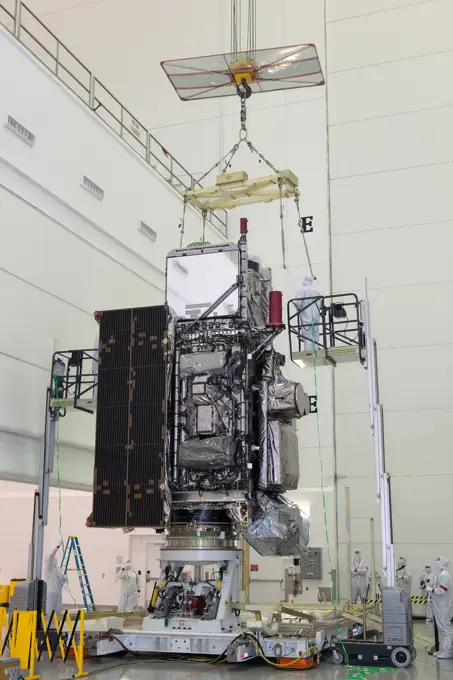
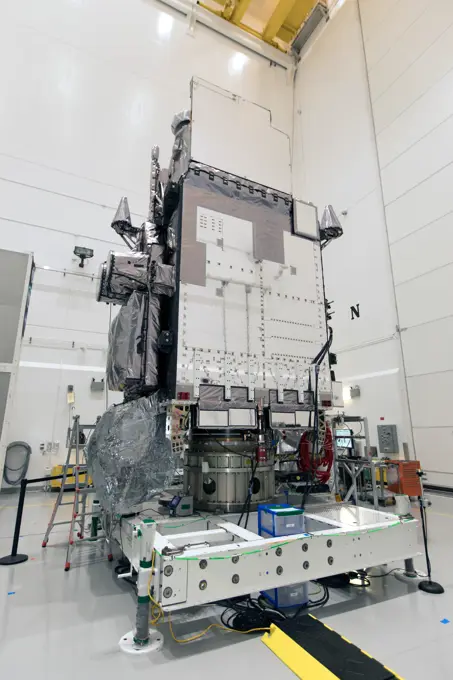
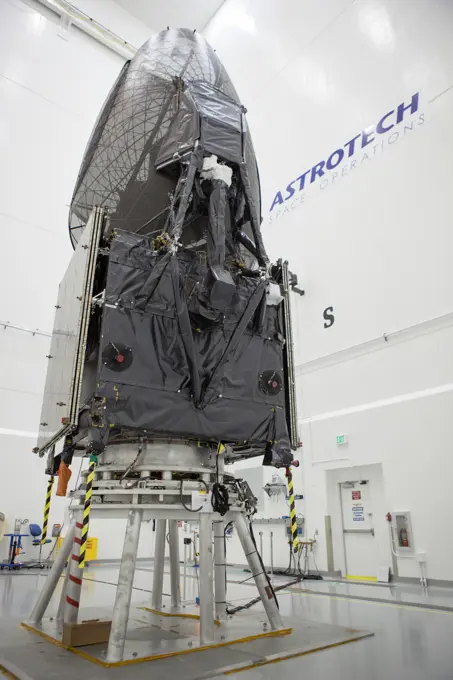
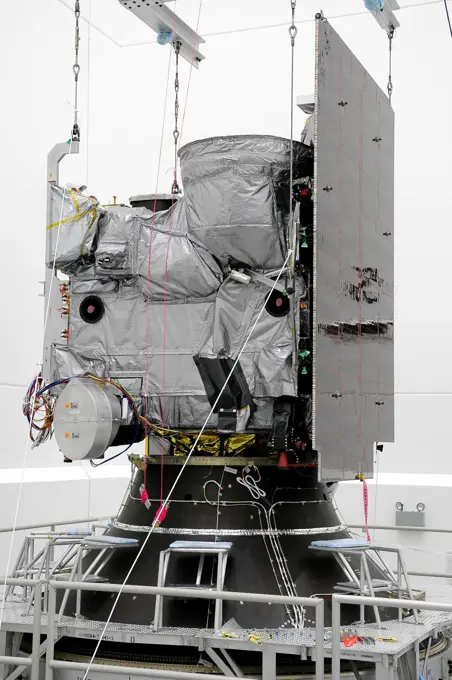
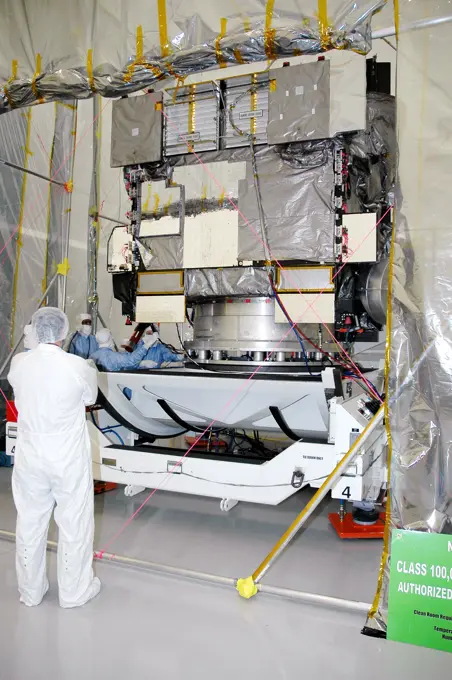
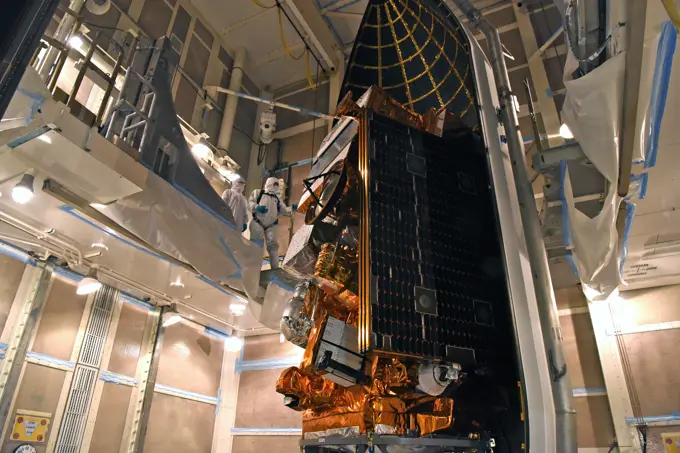
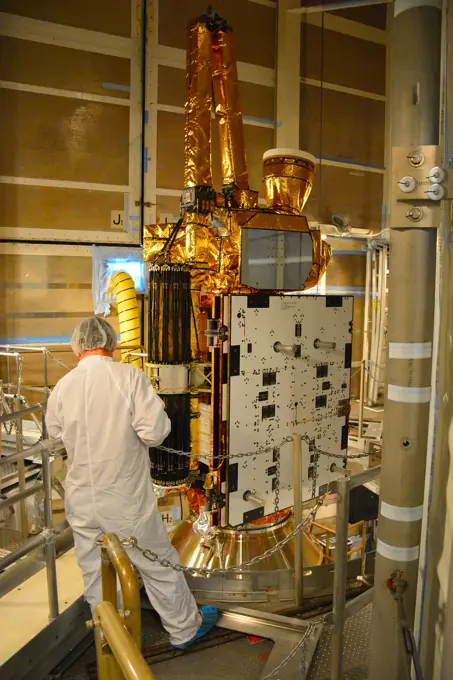
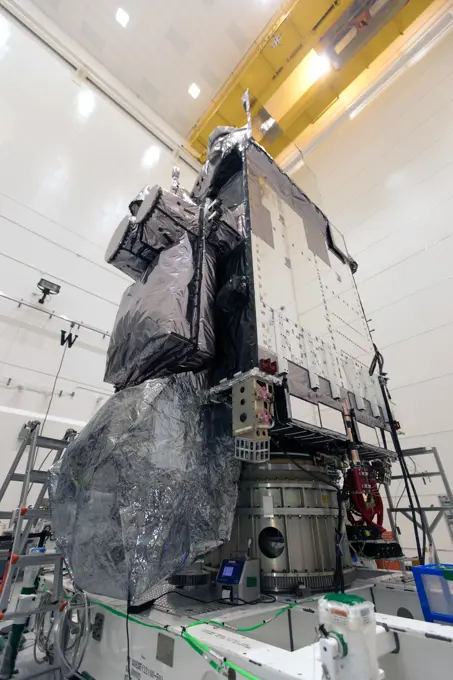
The GOES-L weather satellite sits on a workstand at Astrotech, Titusville, Fla., ready to be encapsulated for its transfer to Launch Pad 36A, Cape Canaveral Air Station. On the left side is the folded, two-panel solar array; on the adjoining side is a white box, which is the UHF antenna. Above the box is the S-band transmit antenna and receive antenna. Between them protrudes a search and rescue antenna. At right are the sounder (top) and imager (bottom). The mounted equipment on top of the unit is a telemetry and command antenna. The GOES is scheduled for launch aboard a Lockheed Martin Atlas II rocket later in May. The fourth of a new advanced series of geostationary weather satellites for the National Oceanic and Atmospheric Administration (NOAA), GOES-L is a three-axis inertially stabilized spacecraft that will provide pictures and perform atmospheric sounding at the same time. After it is launched, the satellite will undergo checkout and then provide backup capabilities for the exi