Fine ArtVintageFootageSubscriptionBoardsFree ResearchPricing
  • Fine Art
  • Vintage
  • Footage
  • Subscription
  • Boards
  • Free Research
  • Pricing

Saturn's Moons Imagery

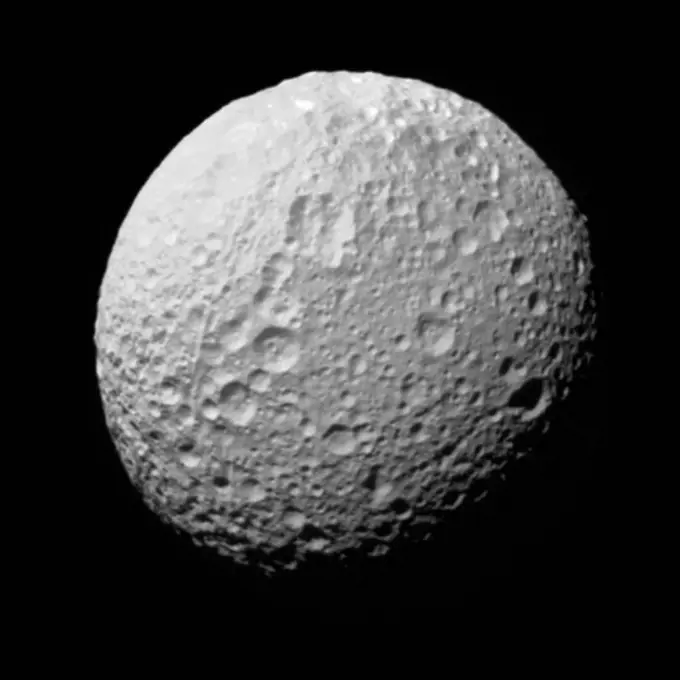
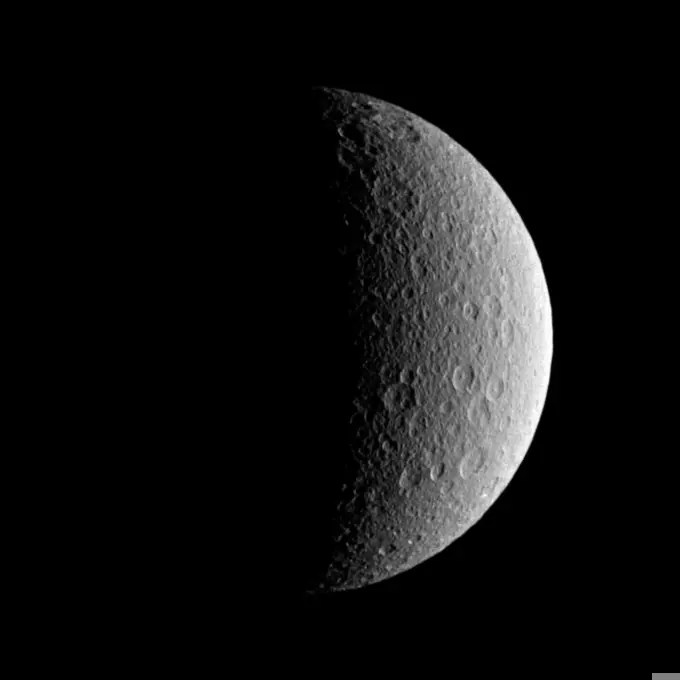
Stunning monochrome images of Saturn's moons Iapetus, Rhea, and Mimas, highlighting their surface features and impact craters.
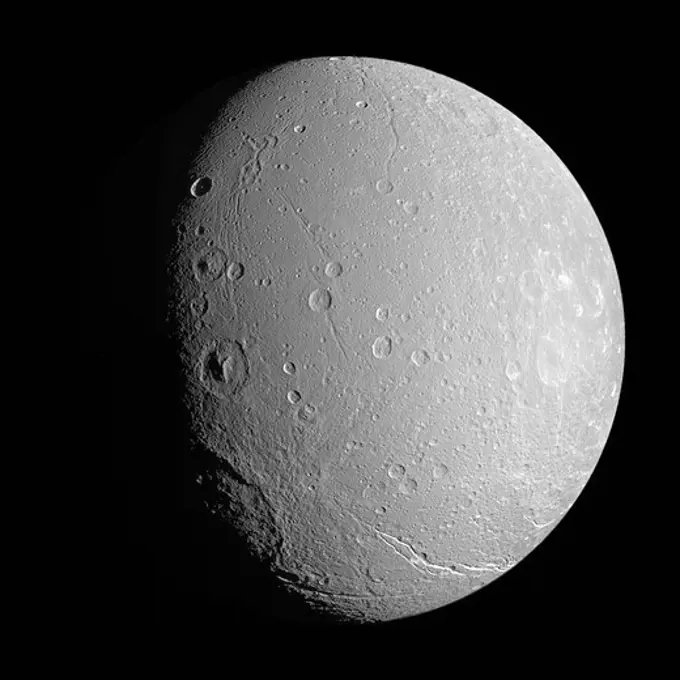
Saturn's Moon Dione
Saturn's Moon Dione
166 assets in this story
6145-44684884
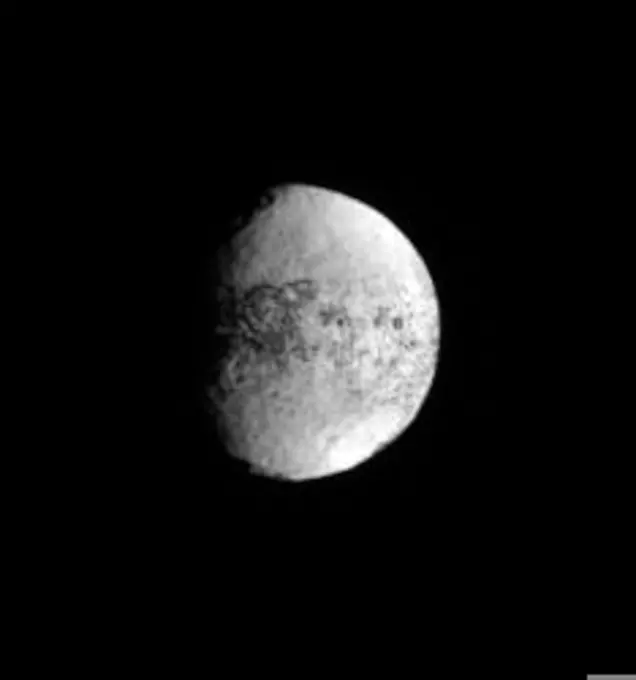
Unveiling Iapetus
6145-44679915
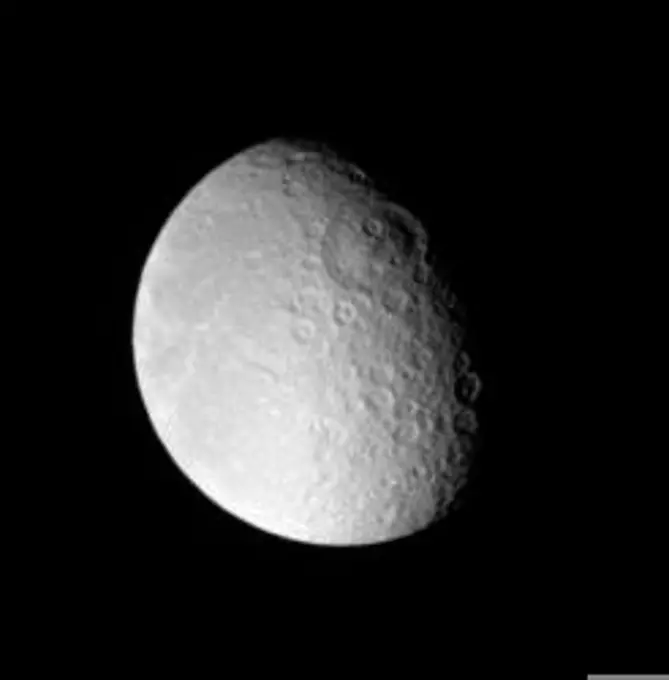
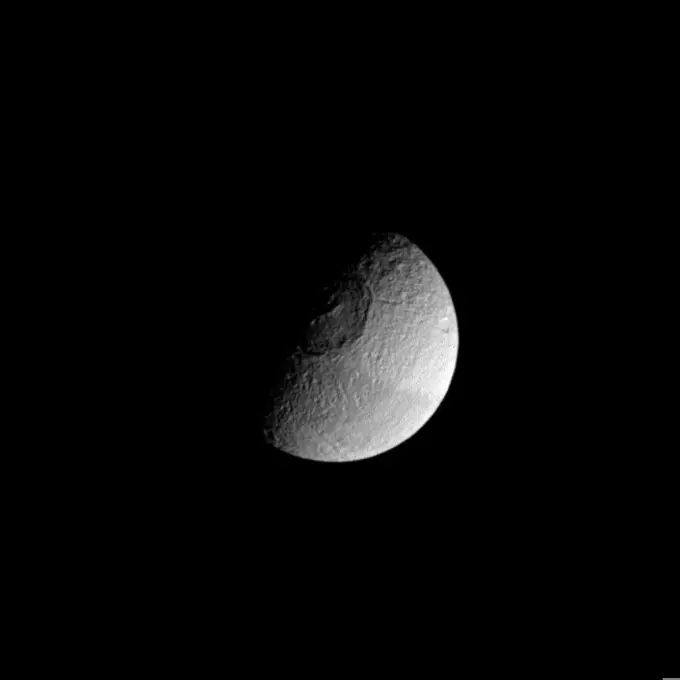
Rhea sports an immense impact scar on its leading hemisphere, like several other major Saturnian moons. The impact basin, seen above center on the day-night dividing line, or terminator, is named Tirawa
6145-44662558
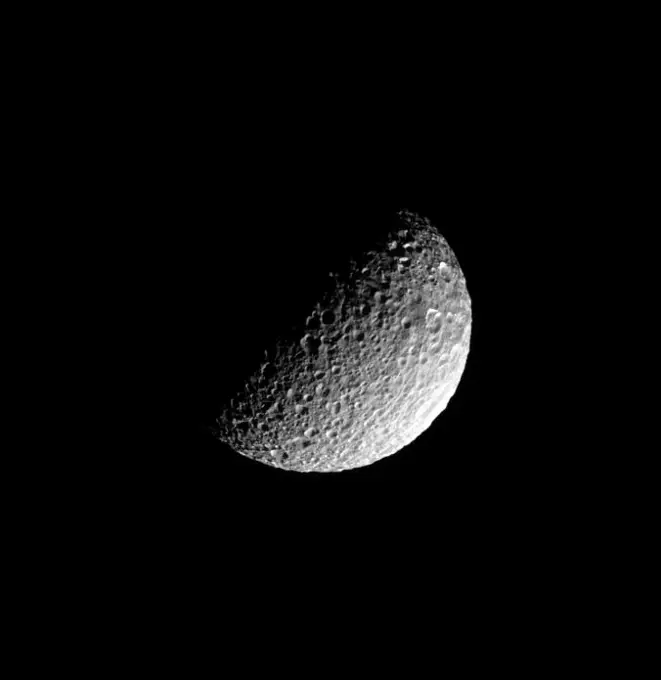
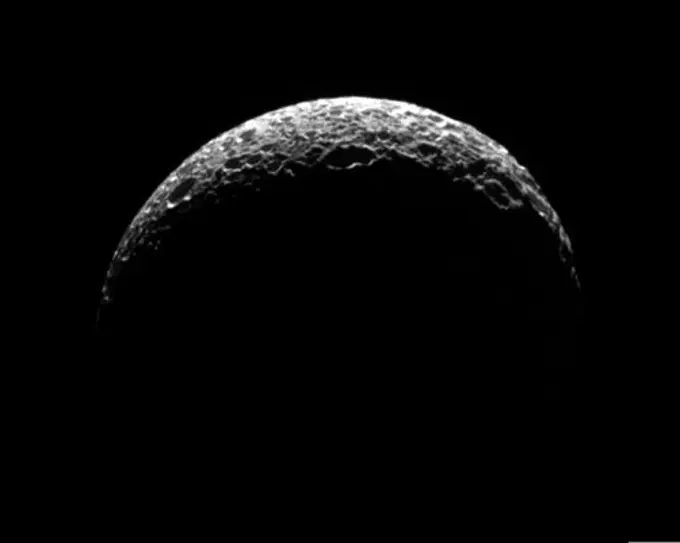
Cratered Crescent
6145-44712933
Blasted by Impacts
4389-597
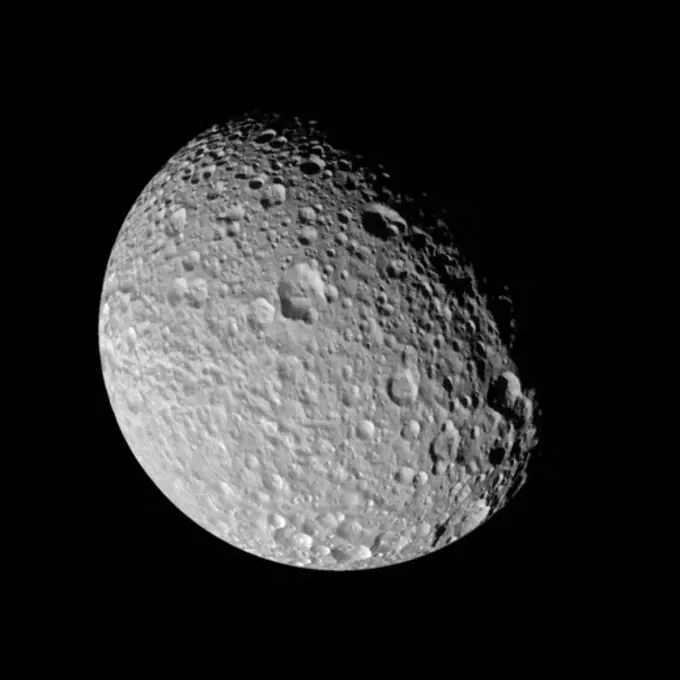
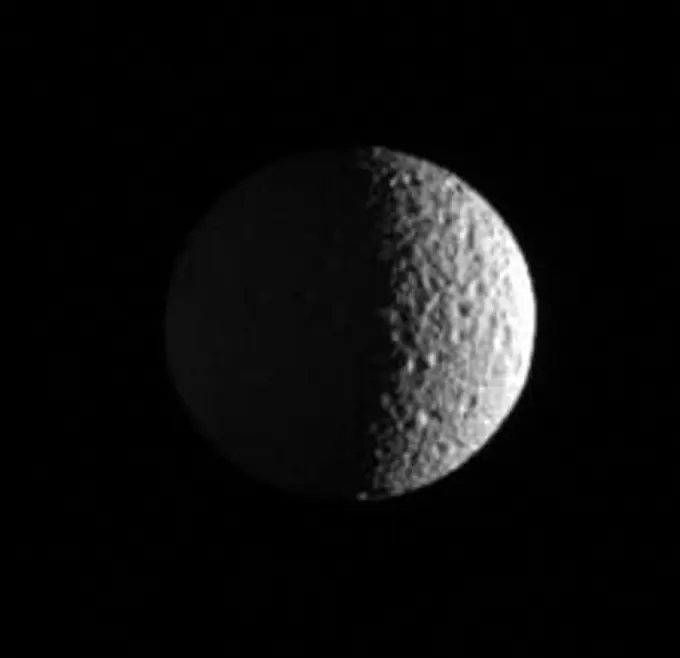
Craters on Mimas
6145-44575407
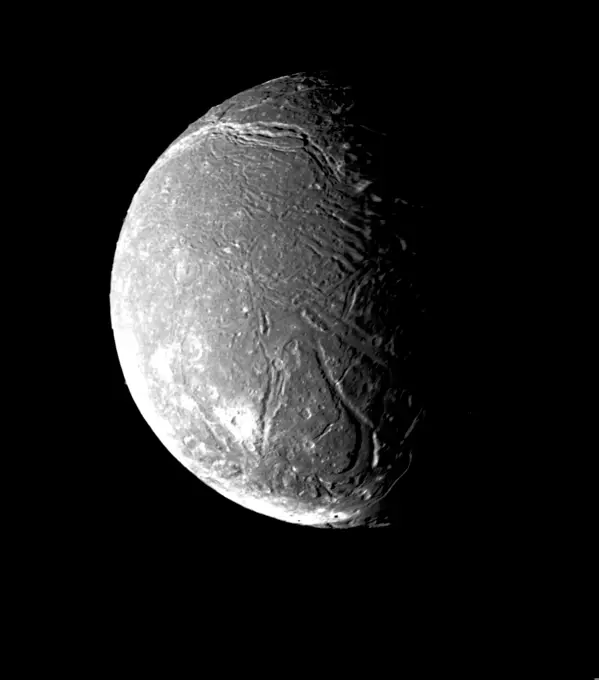
NASA's Voyager 2 took this image on January 24, 1986, showing Ariel's surface densely pitted with craters. Numerous valleys and fault scarps crisscross the highly pitted terrain.
4389-545
Saturn's Moon Dione
6145-44494620
Voyager 2 obtained this full-disk view of Uranus' moon Titania in the early morning hours of Jan. 24, 1986, from a distance of about 500,000 kilometers (300,000 miles). Many circular depressions, probably impact craters, are visible in this clear-filter.
6145-45093137
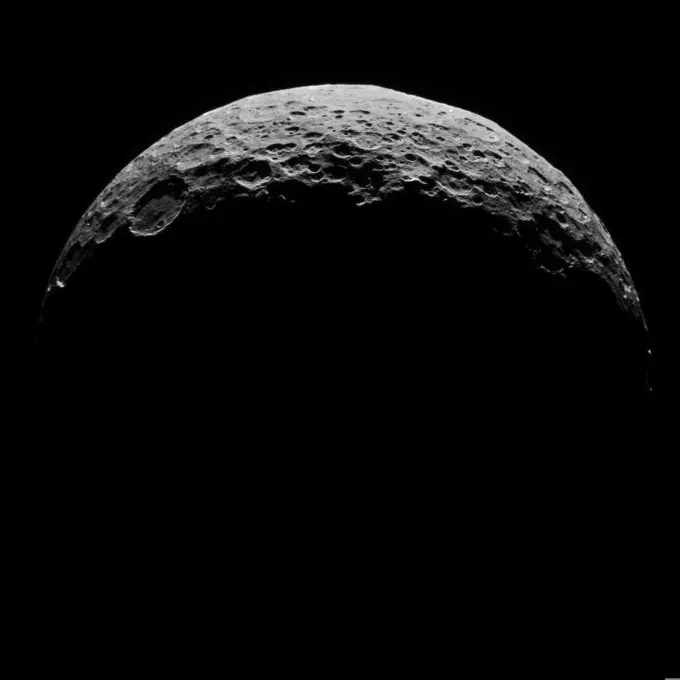
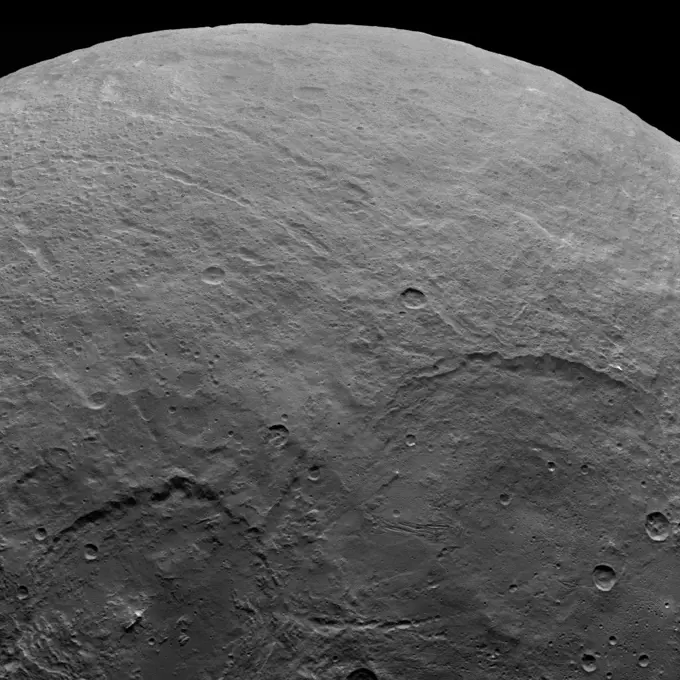
This image of Ceres is part of a sequence taken by NASA's Dawn spacecraft on May 4, 2015, from a distance of 8,400 miles (13,600 kilometers).
1849-66221592
The moon from space
6145-45088005
This still from an animation showcases a series of images NASA's Dawn spacecraft took on approach to Ceres on Feb. 4, 2015 at a distance of about 90,000 miles (145,000 kilometers) from the dwarf planet.
6145-44806856
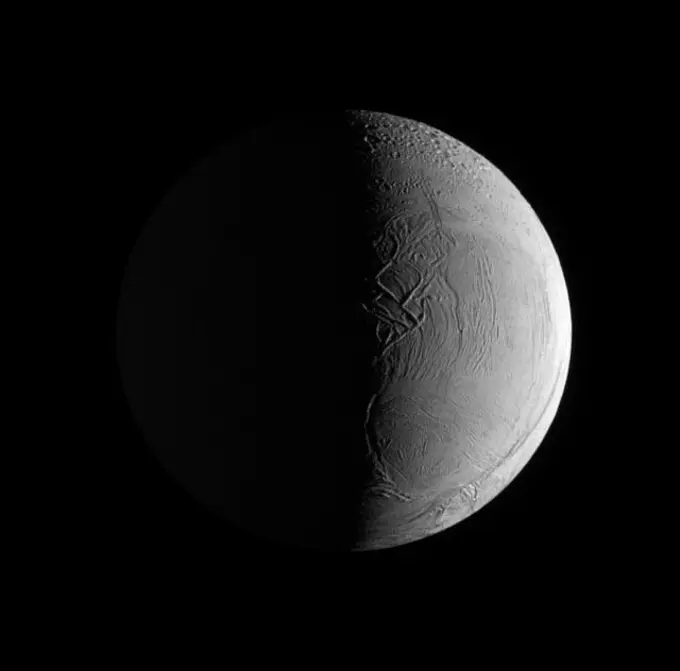
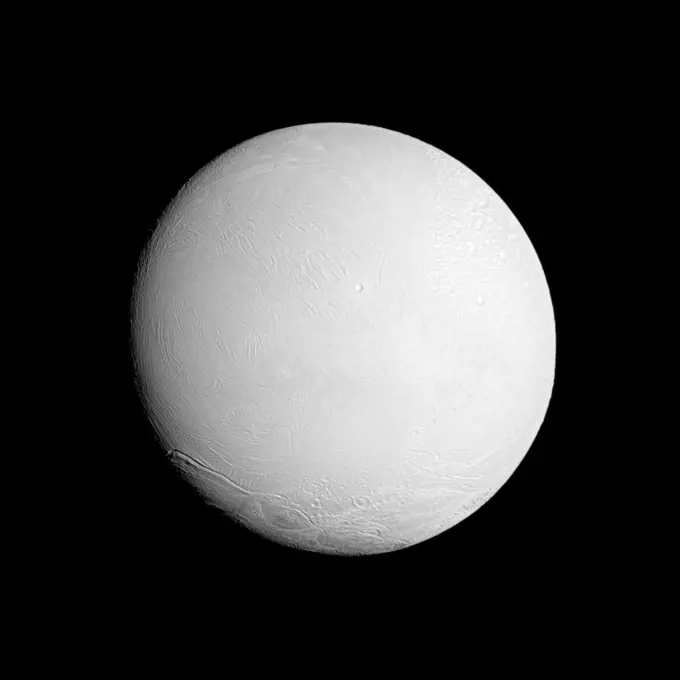
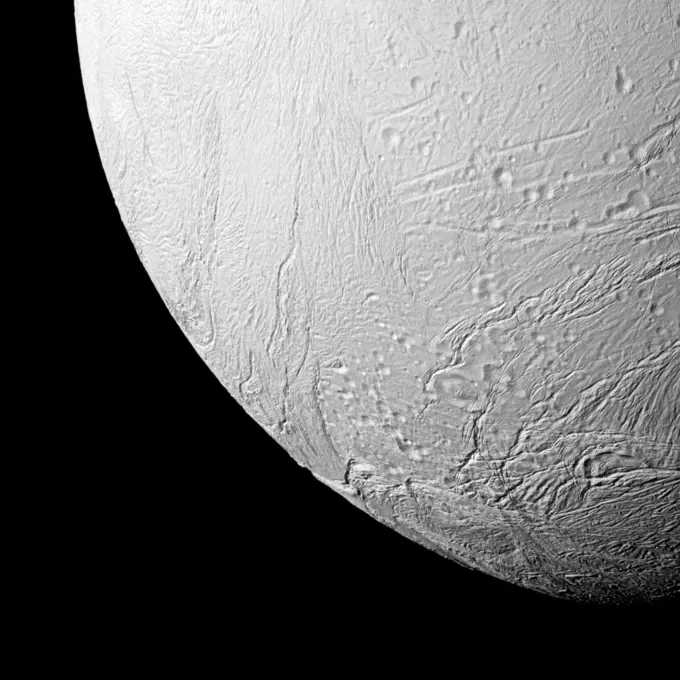
NASA's Cassini spacecraft shows a new view of Saturn's moon Enceladus in a whole-disk mosaic of the geologically active moon's leading, or western, hemisphere.
6145-45093368
This image of Ceres is part of a sequence taken by NASA's Dawn spacecraft on April 29, 2015, from a distance of 8,400 miles (13,600 kilometers).
6145-45093890
This image of Ceres is part of a sequence taken by NASA's Dawn spacecraft on May 7, 2015, from a distance of 8,400 miles (13,600 kilometers).
6145-45093616
This image of Ceres is part of a sequence taken by NASA's Dawn spacecraft on April 29, 2015, from a distance of 8,400 miles (13,600 kilometers).
6145-44661755
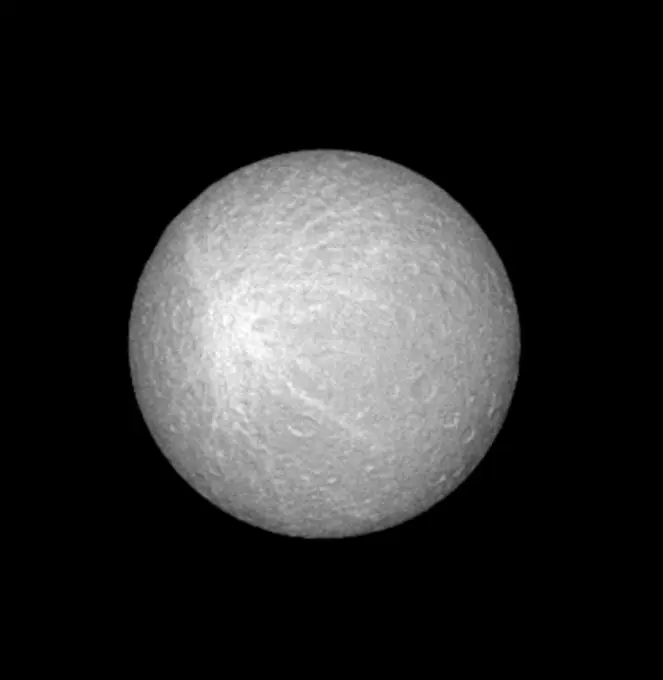
Bright streaks adorn the face of densely cratered Rhea, Saturn's second largest moon
6145-44660473
Mimas in View
6145-58967607
NASA's Cassini spacecraft looks at Saturn's highly irregular moon Hyperion in this view from the spacecraft's flyby of the moon on Aug. 25, 2011.
6145-44690716
Scratches on Dione
6145-44698813
The Rays of Rhea
6145-45101273
Enceladus dramatically displays the contrast between its older and newer terrain as seen by NASA's Cassini spacecraft. This view looks toward the anti-Saturn side of Enceladus. North on Enceladus is up and rotated 36 degrees to the right.
6145-44810525
This mosaic, created from images taken by NASA's Cassini spacecraft, looks straight at Saturn's moon Mimas' huge Herschel Crater revealing bright-walled craters, with floors and surroundings about 20 percent darker than the steep crater walls.
6145-44789630
NASA's Cassini Orbiter captures a far-off view of the two-toned surface of Saturn's moon, Iapetus. Scientists continue to investigate the nature of this moon's surface.
6145-44562031
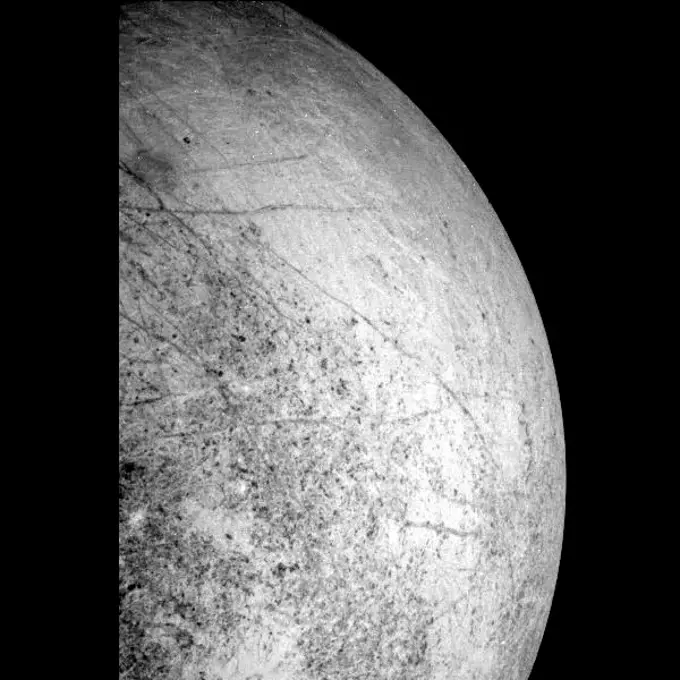
Europa's Leading Hemisphere
6145-44783458
Two sources of light illuminate the textured surface of the moon Enceladus in this image taken by NASA's Cassini spacecraft's narrow angle camera.
6145-44694348
Dione's Fractured Face
6145-44637715
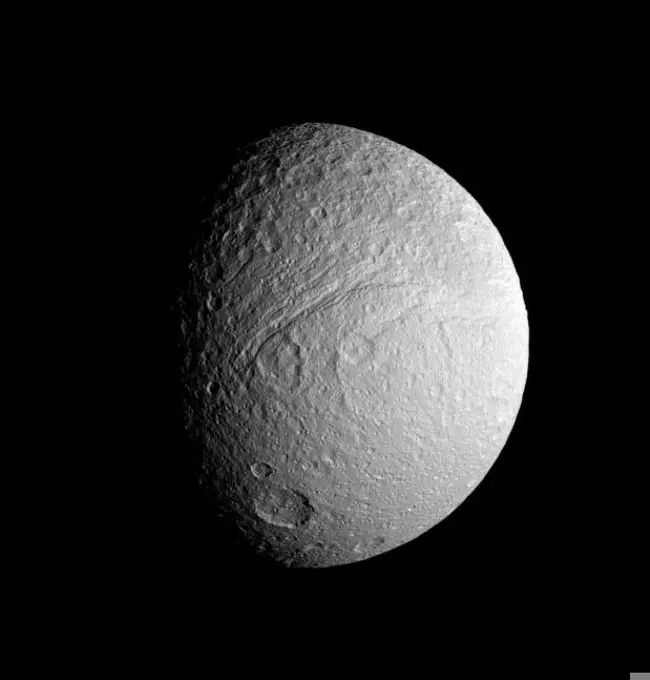
Big Bangs on Tethys
6145-44743579
Fore!
6145-45089088
Ceres rotates in this frame from a movie comprised of images taken by NASA's Dawn mission during its approach to the dwarf planet. The images were taken on Feb. 19, 2015, from a distance of nearly 29,000 miles (46,000 kilometers).
6145-44745127
Icy Old Moon
4239R-20483150
Artist's depiction of a heavily cratered moon. The moon elements were extracted from a false color, NASA topo map.
6145-44685128
Magnificent Scars
6145-45093613
This image of Ceres is part of a sequence taken by NASA's Dawn spacecraft on May 1, 2015, from a distance of 8,400 miles (13,600 kilometers).
6145-44824417
NASA's Cassini spacecraft examines old and new terrain on Saturn's fascinating Enceladus, a moon where jets of water ice particles and vapor spew from the south pole. Newly created terrain is at the bottom, in the center and on the left of this view.
4389-530
Saturn's Moon Mimas
6145-44794786
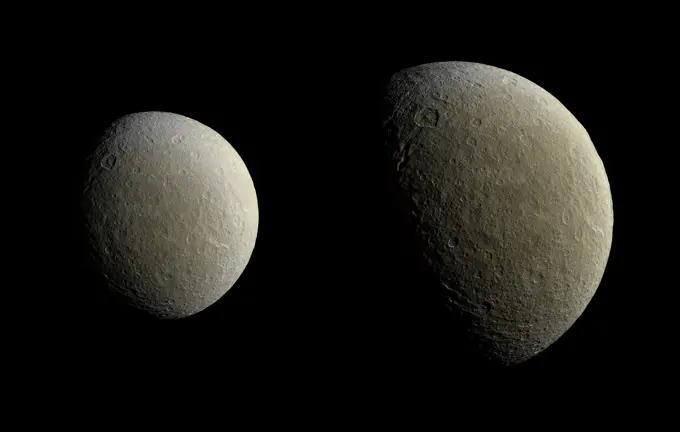
NASA's Cassini spacecraft looks toward the battered surface of the moon Rhea.
6145-44658146
Cassini whizzed past Dione on Aug. 16, 2006, capturing this slightly motion-blurred view of the moon's fractured and broken landscape in reflected light from Saturn
6145-45092829
This image of Ceres is part of a sequence taken by NASA's Dawn spacecraft April 24 to 26, 2015, from a distance of 8,500 miles (13,500 kilometers).
6145-45093125
In this closest-yet view of Ceres, the brightest spots within a crater in the northern hemisphere are revealed to be composed of many smaller spots. This frame is from an animation of sequences taken by NASA's Dawn spacecraft on May 4, 2015.
6145-44802400
NASA's Cassini spacecraft looks toward a crescent of Saturn's dark and light moon, Iapetus.
6145-44666029
The Cassini spacecraft continues to image terrain on Iapetus that is progressively eastward of the terrain it has previously seen illuminated by sunlight
6145-58966188
Looking up from the South
6145-45087791
This image is one several images NASA's Dawn spacecraft took on approach to Ceres on Feb. 4, 2015 at a distance of about 90,000 miles (145,000 kilometers) from the dwarf planet.
1746-19670917
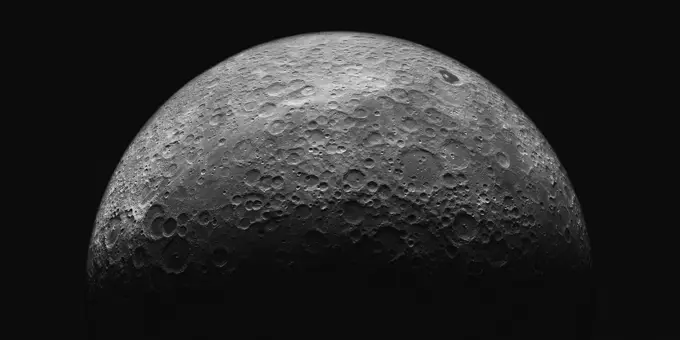
The lunar farside.
6145-44634017
Rhea's Bright Blemish
6145-44641235
Detail on Dione (Monochrome)
6145-44662311
Looking down onto the northern hemisphere of geologically complex Enceladus, the Cassini spacecraft spies softened, or relaxed, craters and east-west trending fractures and faults.
1746-19670986
The Cassini spacecraft looks at a brightly illuminated Enceladus and examines the surface of the leading hemisphere of this Saturnian moon.
6145-44518754
A Southern Hemisphere Overview
6145-44505085
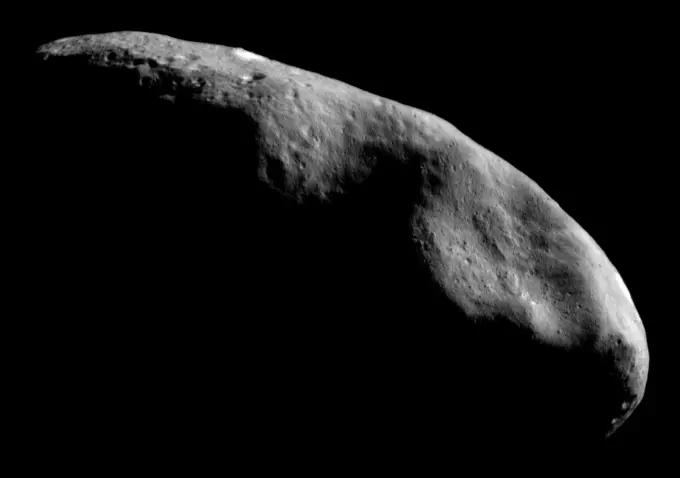
Over Eros' Horizon
6145-44635355
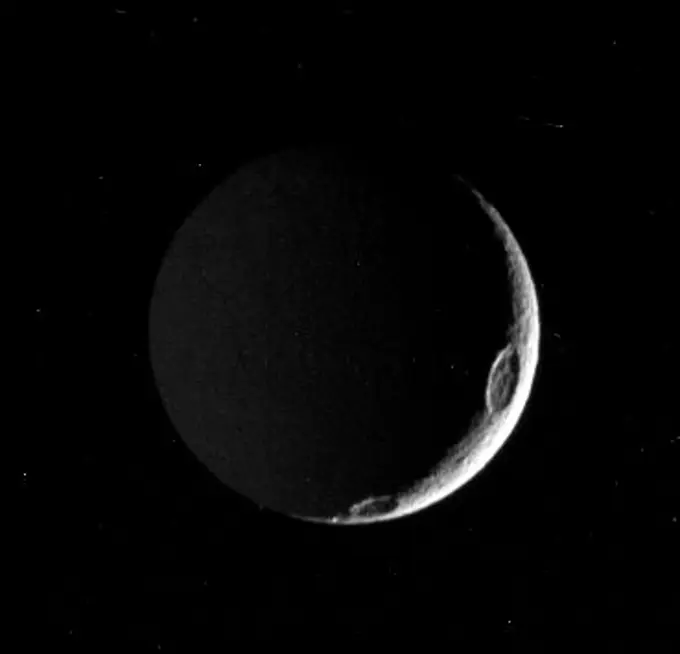
Tethys in the Dark
6145-44917872
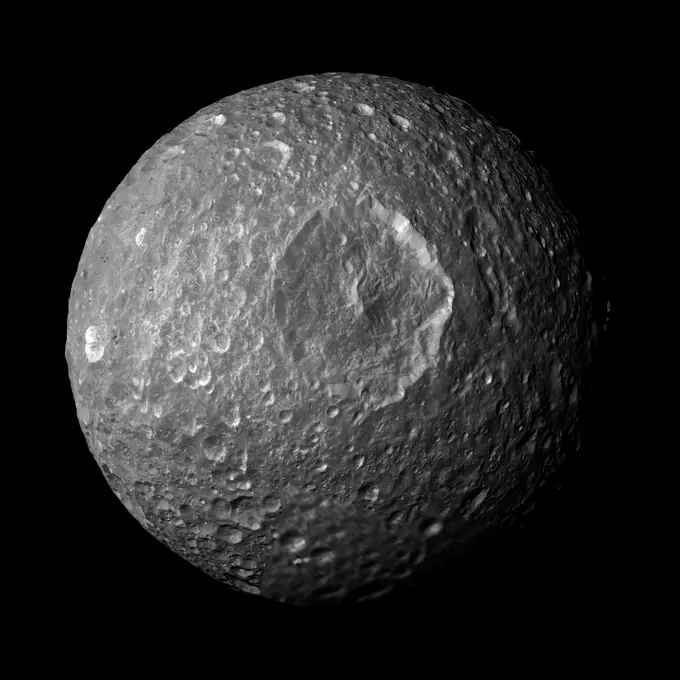
Although Mimas holds the unofficial designation of 'Death Star moon,' Tethys is seen here also vaguely resembling the space station from Star Wars. Apparently, Tethys doesn't want Mimas to have all the fun!
6145-45094931
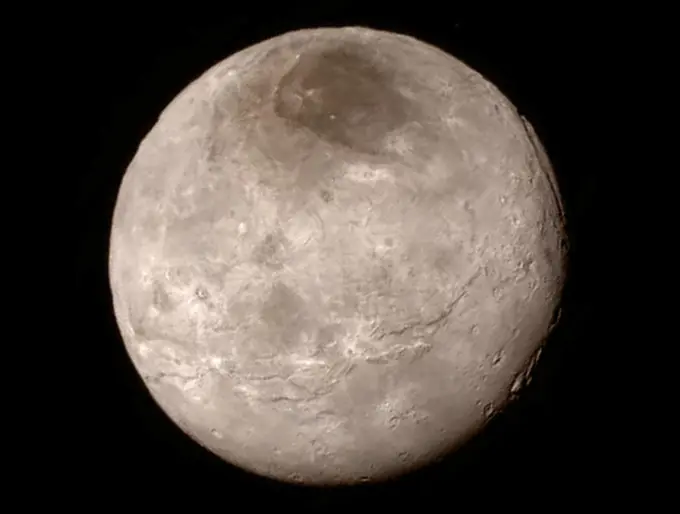
A swath of cliffs and troughs stretches about 600 miles (1,000 kilometers) on Pluto's largest moon Charon are revealed in this image from NASA'as New Horizon's spacecraft, taken late on July 13, 2015.
6145-44858874
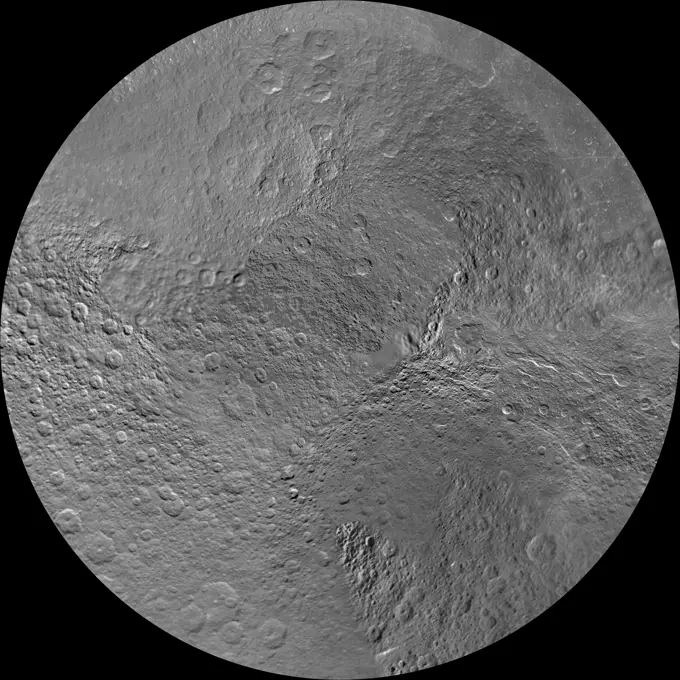
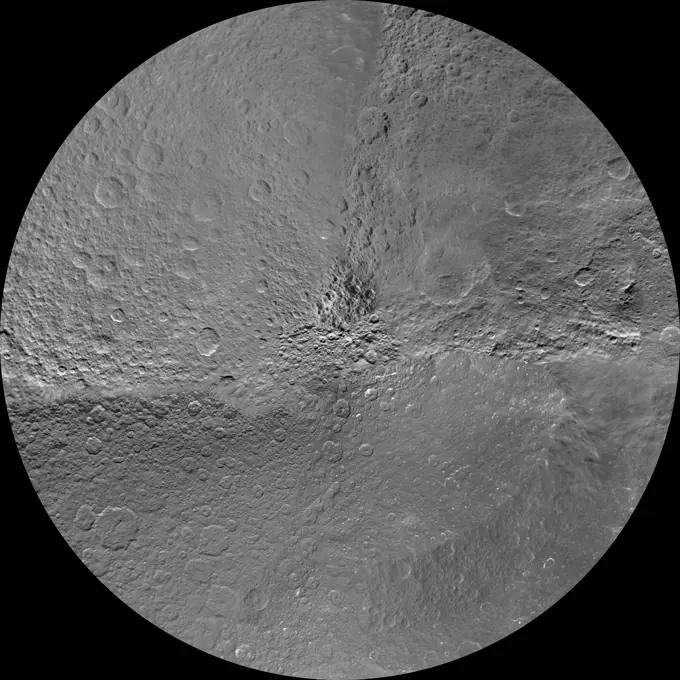
The northern and southern hemispheres of Rhea are seen in these polar stereographic maps, mosaicked from the best-available NASA Cassini and Voyager images. Six Voyager images fill in gaps in Cassini's coverage of the moon's north pole.
4389-612
Odysseus on Tethys
6145-44635066
This visual and infrared mapping spectrometer image captured by NASA's Cassini spacecraft of Saturn's moon Enceladus, shows the dark cracks at the south pole dubbed 'tiger stripes' for their distinct stripe-like appearance.
6145-44595811
Martian Moon, Phobos
6145-44702299
Phobos from 5,800 Kilometers
6145-45091808
NASA's Cassini captured these views of Saturn's icy moon Rhea on Feb. 9. The spacecraft returned to equatorial orbits around Saturn in March after nearly two years, allowing the mission to once again have close encounters with moons other than Titan.
4389-581
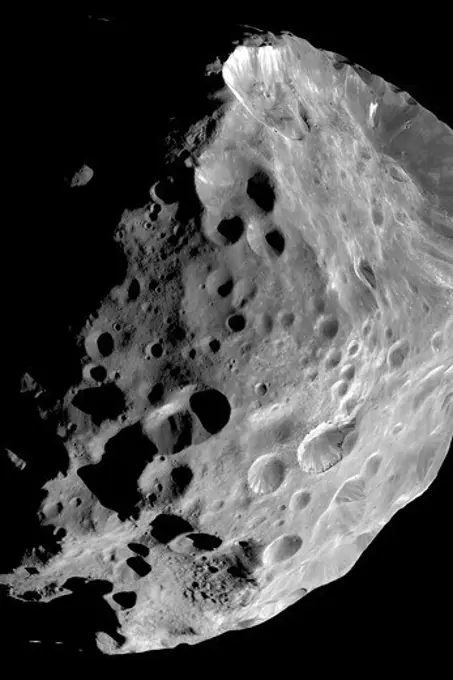
Phoebe, Moon of Saturn
6145-45259404
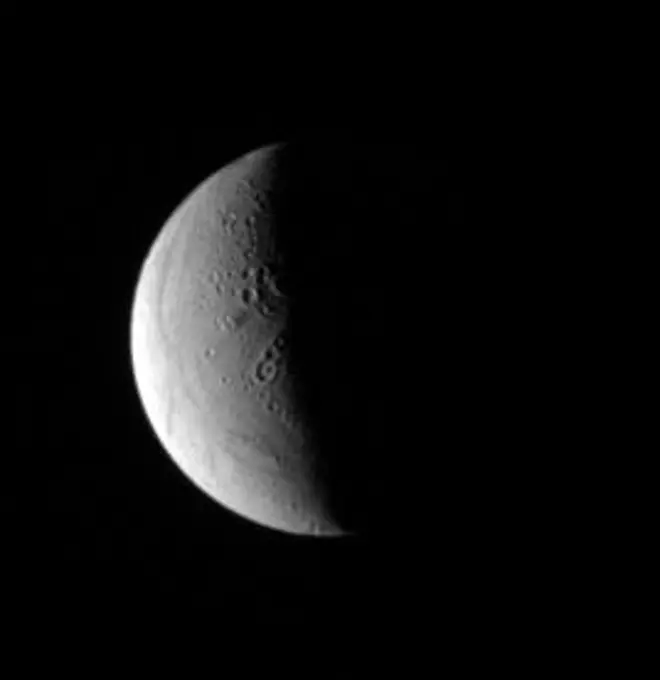
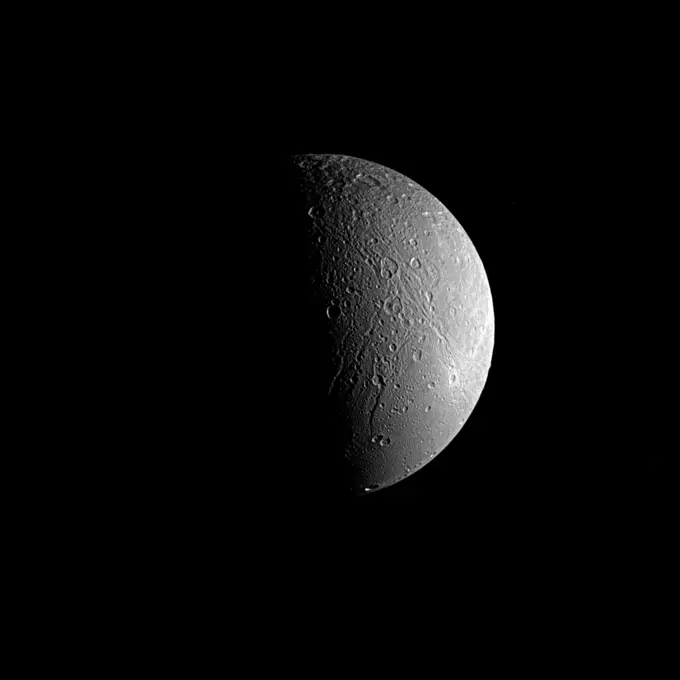
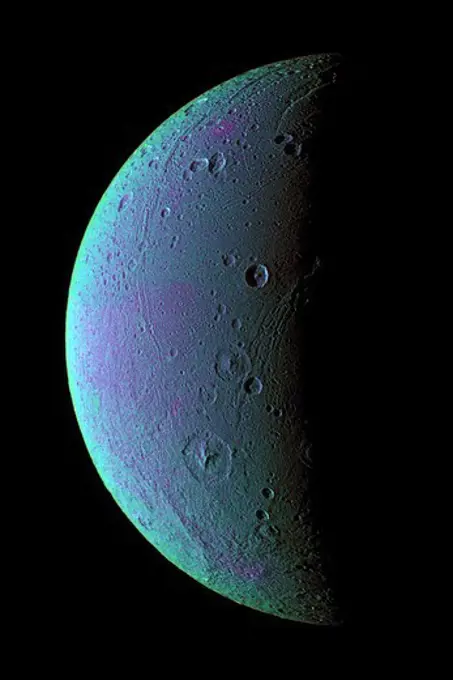
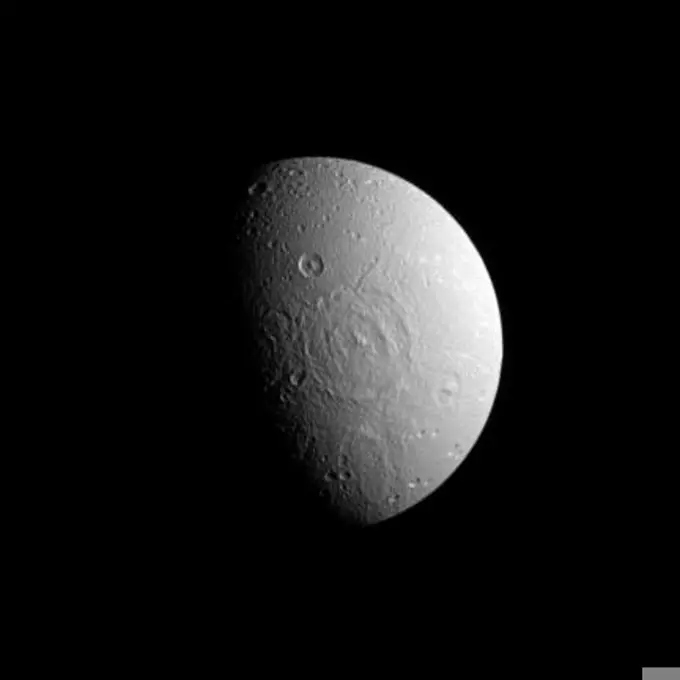
Saturn's moon Dione is captured in this view from NASA's Cassini spacecraft, half in shadow and half in light. Sinuous canyons carve interconnected paths across the moon's icy landscape. Subtle variations in brightness hint at differences in composition, as well as the size and shape of grains in Dione's surface material, or regolith. Cassini spent more than a decade at Saturn studying Dione (698 miles or 1,123 kilometers across) and the planet's many other moons as part of the quest to understand how the moons formed and evolved, and how they are connected. This view looks toward the side of Dione that faces away from Saturn. North is up and rotated 59 degrees to the right. The image was taken in visible light with the Cassini spacecraft narrow-angle camera on June 22, 2017. The view was obtained at a distance of approximately 224,000 miles (360,000 kilometers) from Dione. Image scale is 1.4 mile (2.2 kilometers) per pixel. The Cassini spacecraft ended its mission on Sept. 15, 2017.
6145-45088846
These images of dwarf planet Ceres, processed to enhance clarity, were taken on Feb. 19, 2015, from a distance of about 29,000 miles (46,000 kilometers), by NASA's Dawn spacecraft. Dawn observed Ceres completing one full rotation, lasting about nine hours
1746-19670818
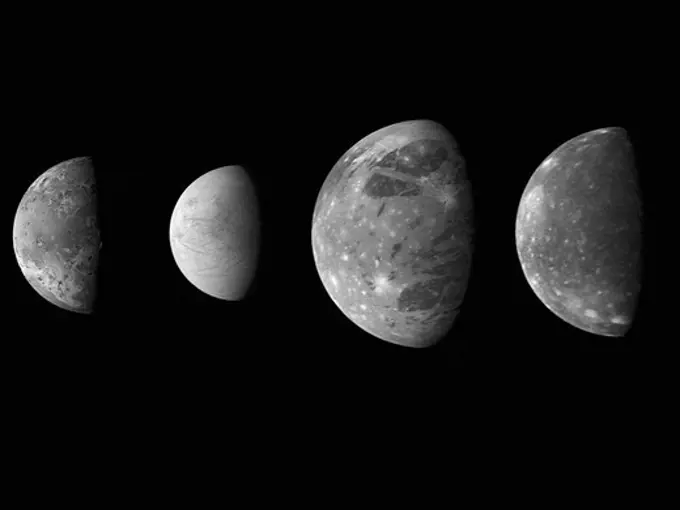
This montage shows the best views of Jupiter's four large and diverse 'Galilean' satellites as seen by the Long Range Reconnaissance Imager (LORRI)
6145-44978194
One Week Later
6145-44497252
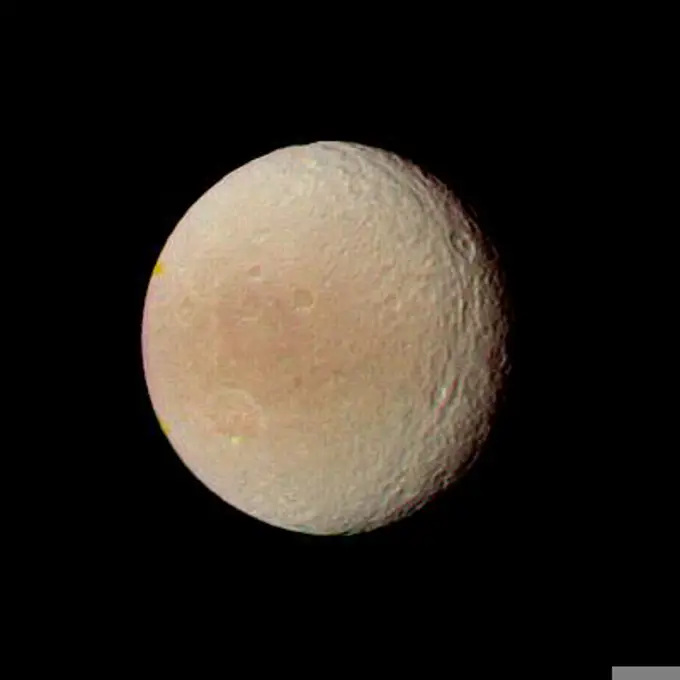
Saturn - Tethys from 594,000 kilometers (368,000 miles) Away
6145-44631376
Details in the Dark
6145-45094378
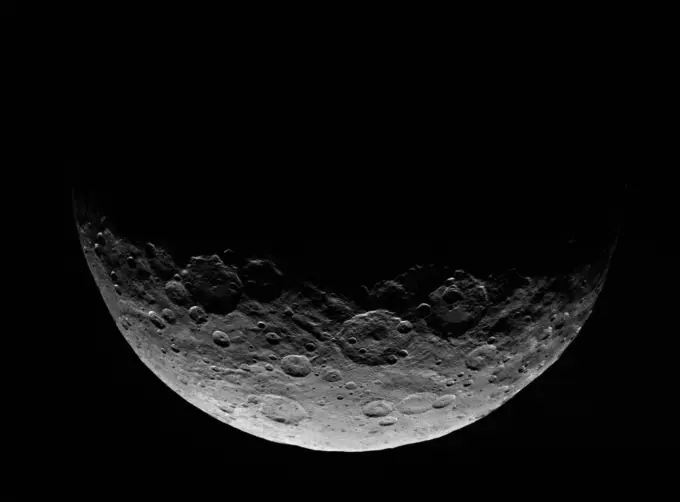
A variety of craters and other geological features can be found on dwarf planet Ceres. NASA's Dawn spacecraft took this image of Ceres from an altitude of 2,700 miles (4,400 kilometers) on June 5, 2015.
6145-44671743
Tvashtar's Plume
6145-45093868
NASA's Cassini imaging scientists processed this view of Saturn's moon Hyperion, taken during a close flyby on May 31, 2015. This flyby marks the mission's final close approach to Saturn's largest irregularly shaped moon.
6145-45104197
Two of Saturn's moons, Tethys and the much smaller Janus, are captured in this photo from NASA's Cassini spacecraft.
6145-44767915
As the moon Enceladus eclipses its neighbor Mimas, Cassini records a scene possible only around the time of Saturn's approaching equinox.
4389-620
Faults on Saturn's Moon Dione
6145-44637693
Tethys Meets Dione (Animation)
6145-45107801
A sinuous feature snakes northward from Enceladus' south pole like a giant tentacle in this image from NASA's Cassini spacecraft. This feature, is actually tectonic in nature, created by stresses in Enceladus' icy shell.
6145-45126491
Seen from outside, Enceladus appears to be like most of its sibling moons: cold, icy and inhospitable, as seen by NASA's Cassini spacecraft.
6145-44867924
This image shows NASA's Dawn's view of Vesta from June 20, 2011, when the approaching spacecraft was about 117,000 miles (189,000 kilometers) away from the body.
6145-45092033
NASA's Cassini spacecraft stared toward Saturn's two-toned moon Iapetus for about a week in early 2015, in a campaign motivated in part to investigate subtle color differences within the moon's bright terrain.
6145-44843658
At top of this image, Saturn's moon Dione may appear closer to the spacecraft because it is larger than the moon Enceladus in the lower left. However, Enceladus was actually closer to the spacecraft in this image captured by NASA's Cassini spacecraft.
6145-44796628
Saturn's moon Rhea passes in front of Dione, as seen from NASA's Cassini spacecraft. These images are part of a 'mutual event' sequence in which one moon passes close to, or in front of, another.
6145-44506426
The Sculptured Surface of Eros
6145-52930538
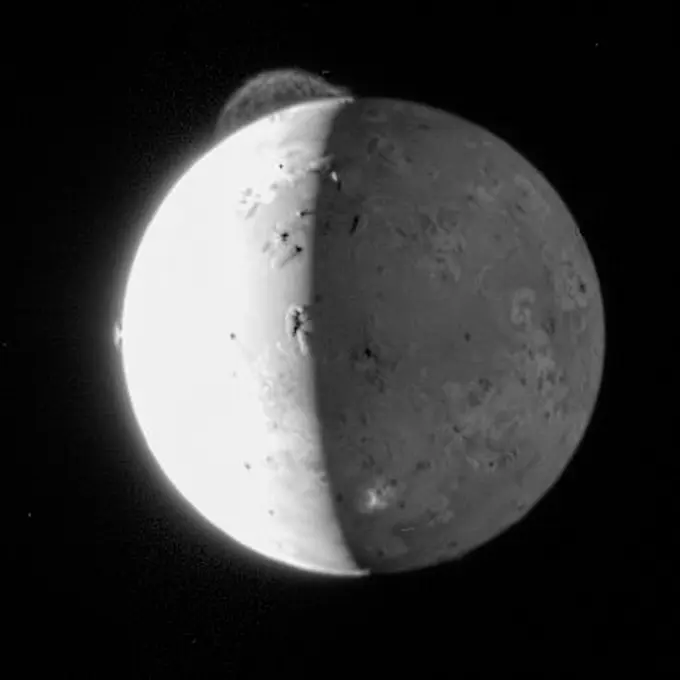
Juno Getting Closer to Jovian Moon Io. This image of the Jovian moon Io was generated using data collected by the JunoCam imager aboard NASA's Juno spacecraft during a flyby of the moon on March 1, 2023. At the time of closest approach, Juno was about 32,000 miles (51,500 kilometers) away from Io. The image's resolution is about 22 miles (35 kilometers) per pixel. Citizen scientist Kevin M. Gill created this image using data from JunoCam. https //photojournal.jpl.nasa.gov/catalog/PIA25885
6145-45252816
During its close flyby of Saturn's moon Mimas on Aug. 2, 2005, Cassini caught a glimpse of Mimas against the broad expanse of Saturn's rings. The Keeler Gap in the outer A ring, in which Cassini spied a never-before-seen small moon (see PIA06237), is at the upper right. The ancient, almost asteroid-like surface of Mimas is evident in its crater-upon-crater appearance. Even the material which has slumped down into the bottom of some of its craters bears the marks of later impacts. This image was taken through the clear filter of the Cassini spacecraft narrow-angle camera at a distance of 68,000 kilometers (42,500 miles) from Mimas and very near closest approach. The smallest features seen on the moon are about 400 meters wide (440 yards); the Sun-Mimas-Cassini angle is 44 degrees. http //photojournal.jpl.nasa.gov/catalog/PIA06412
6145-44505295
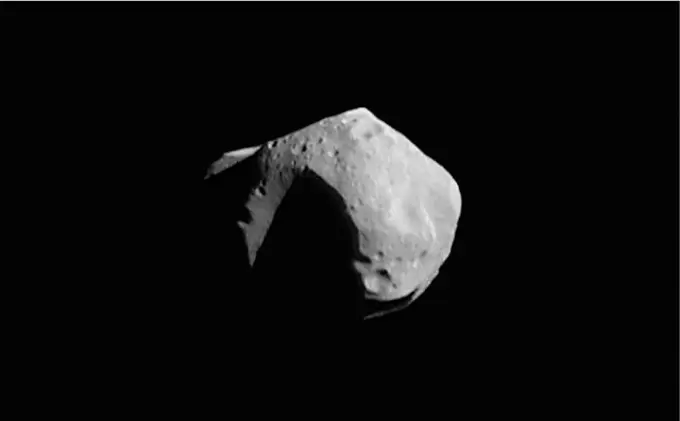
Mosaic of Mathilde
6145-45086489
This processed image, taken Jan. 13, 2015, shows the dwarf planet Ceres as seen from the Dawn spacecraft. The image hints at craters on the surface of Ceres. Dawn's framing camera took this image at 238,000 miles (383,000 kilometers) from Ceres.
6145-44756262
Dione's Pockmarked Side
6145-45017205
NASA's Cassini spacecraft takes a close view of some of the southern terrain of Saturn's moon Enceladus, where newly created terrain is on display.
1746-21117825
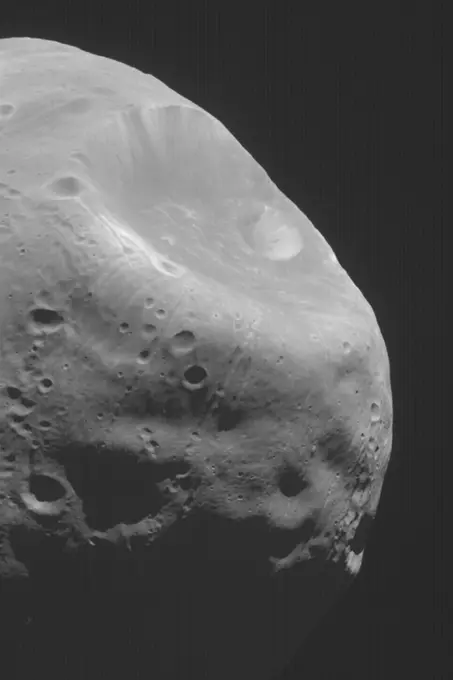
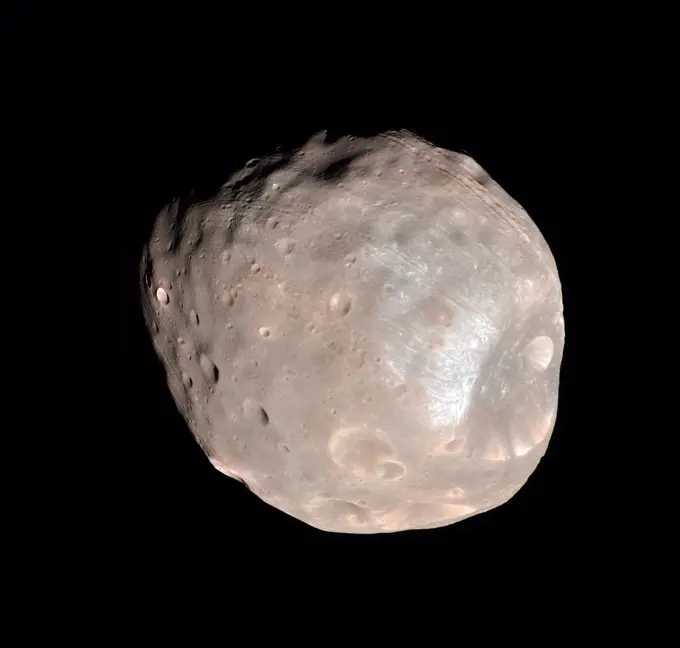
Enhanced-color image of Phobos from the Mars Reconnaissance Orbiter with Stickney crater on the right
6145-44571986
Pictures of Tethys' Large Crater
6145-45099539
The south polar region of Saturn's active, icy moon Enceladus awaits NASA's Cassini spacecraft in this view, acquired on approach to the mission's deepest-ever dive through the moon's plume of icy spray.
6145-44901396
The northern and southern hemispheres of Rhea are seen in these polar stereographic maps, mosaicked from the best-available NASA's Cassini and Voyager images.
6145-44827565
NASA's Cassini spacecraft examines the characteristics of Titan's atmosphere as it peers at Saturn's largest moon using a filter sensitive to visible violet light.
6145-45097704
This view from NASA's Cassini spacecraft looks toward Saturn's icy moon Dione, with giant Saturn and its rings in the background, just prior to the mission's final close approach to the moon on August 17, 2015.
6145-44710281
Rugged Janus
1457-1345
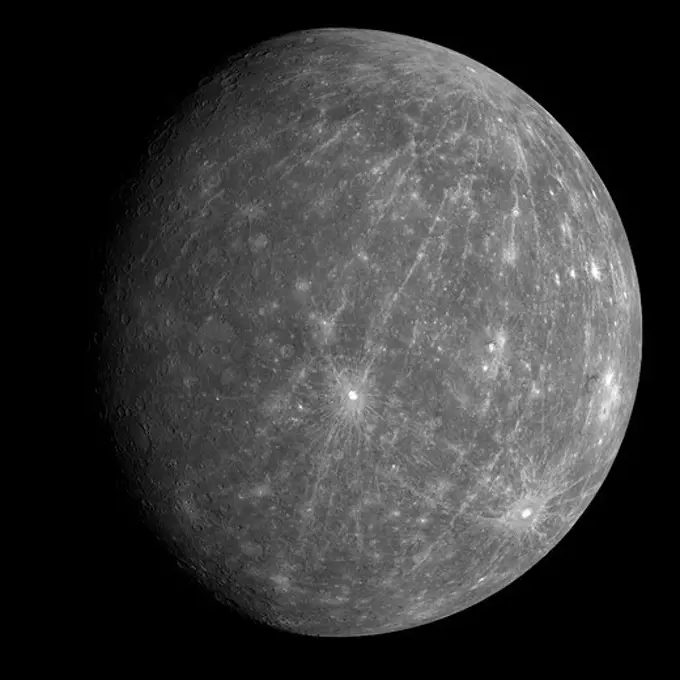
Planet Mercury, the bright crater just south of the center of the image is Kuiper
6145-45261208
. The Terminator is Here
4389-2537
The Galilean Satellites
4389-306
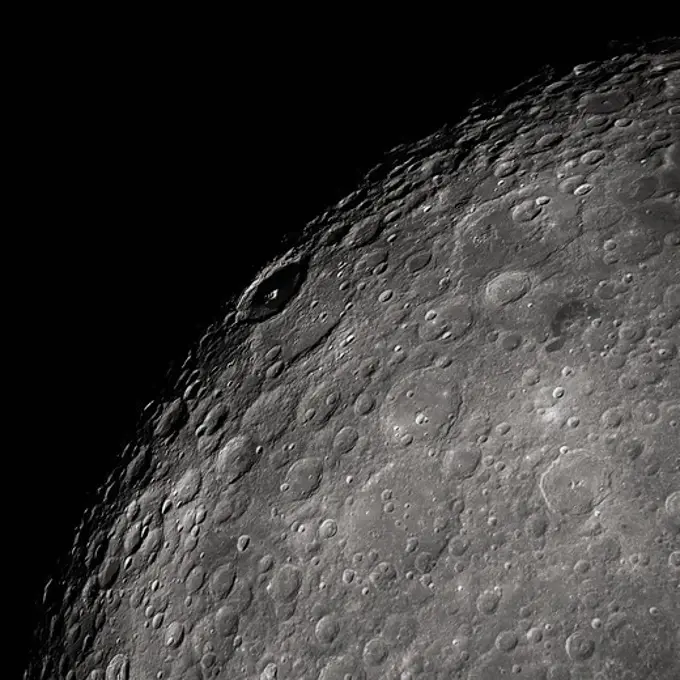
Apollo 17 - A Heavily Cratered Moon
6145-45099499
Enceladus is a world divided, as seen by NASA's Cassini spacecraft. The terrain to the north is covered in impact craters, to the south, cratering is much more sparse.
6145-44728463
Mercury as Never Seen Before
6145-44797673
The moon Enceladus passes behind the larger moon Tethys, as seen in this pair of images taken by NASA's Cassini spacecraft. The image on the left was taken a little more than a minute before the image on the right.
PREVIOUS
of 2
NEXT
2401 S. Ervay, Suite 206
Dallas, Texas 75215
United States
Browse
CategoriesGalleriesFree Research
For Creators
License Your ContentSuperStock For StudentsFrame of Mind BlogContributor PortalNew Image SpotlightLicense AI Imagery
Resources
About UsLicensingTerms & ConditionsAPI AccessPrivacyPricing
Contact
+1 866 236 0087help@superstock.com Contact form
©2026 SuperStock. All Rights Reserved. -B
This site is protected by reCAPTCHA and Google Privacy Policy and Terms of Service apply.