Sculpture Fragments

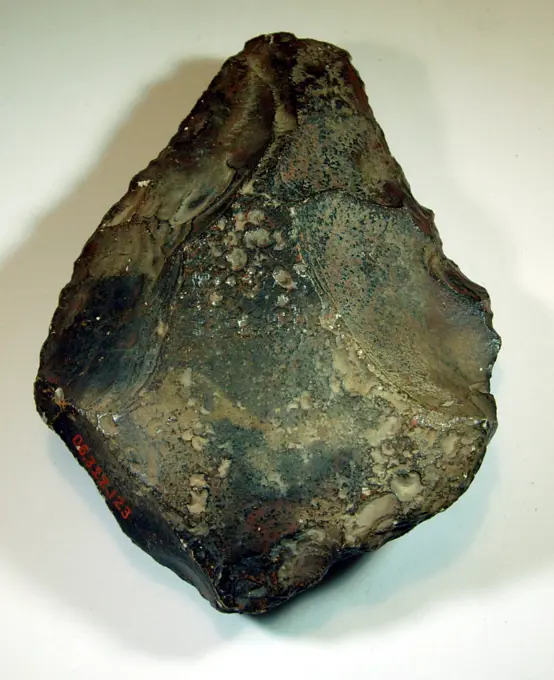
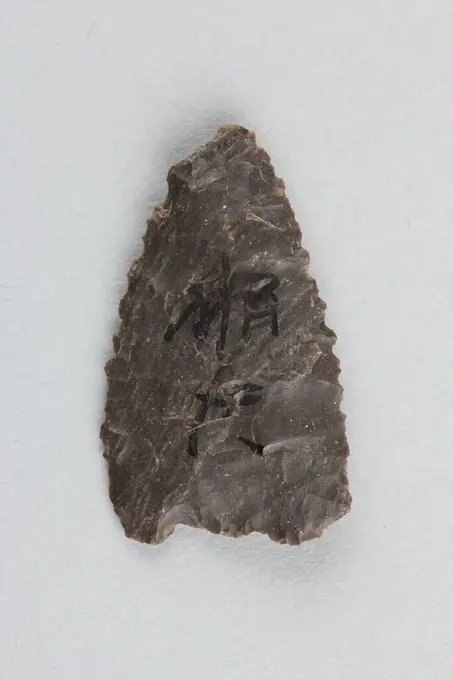
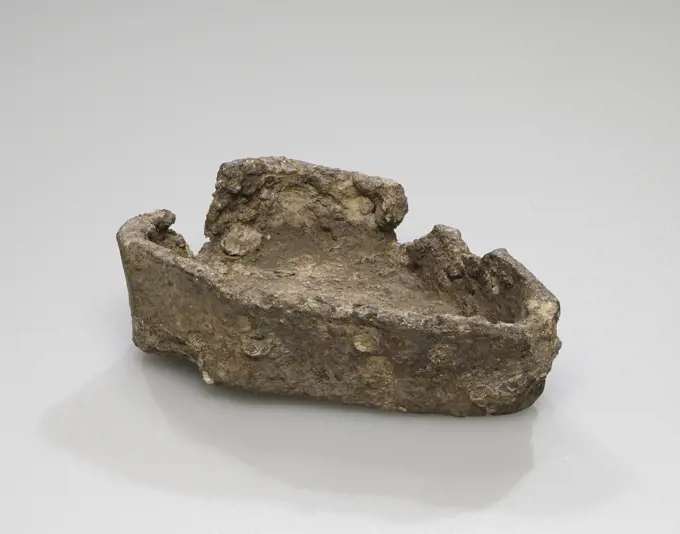
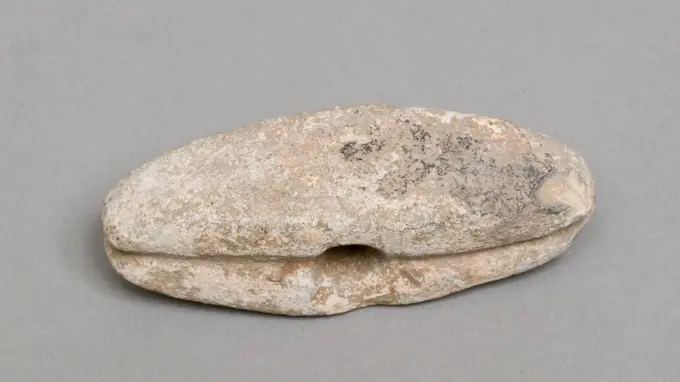
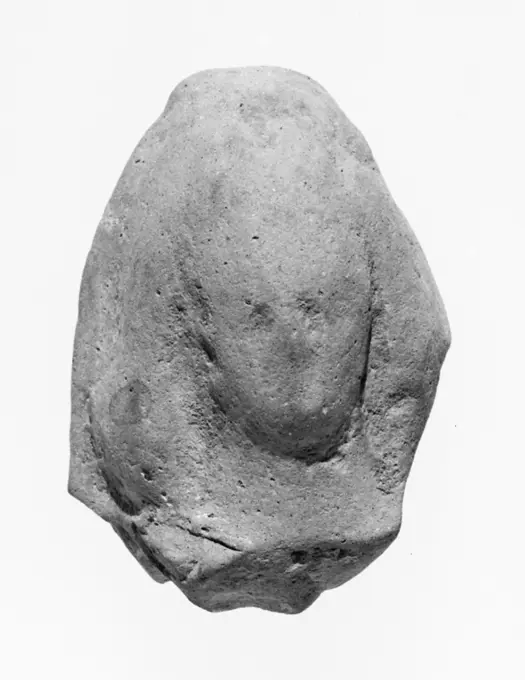
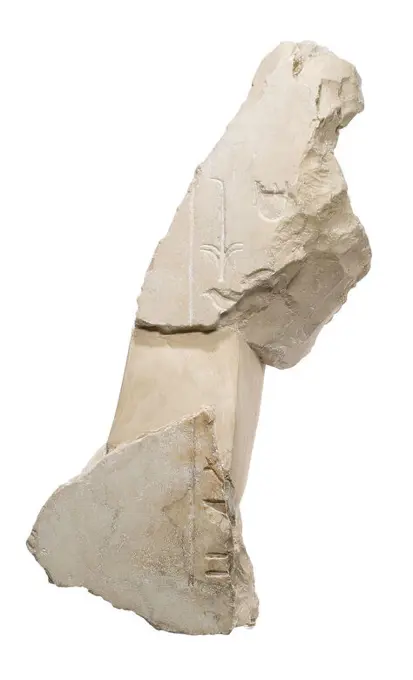
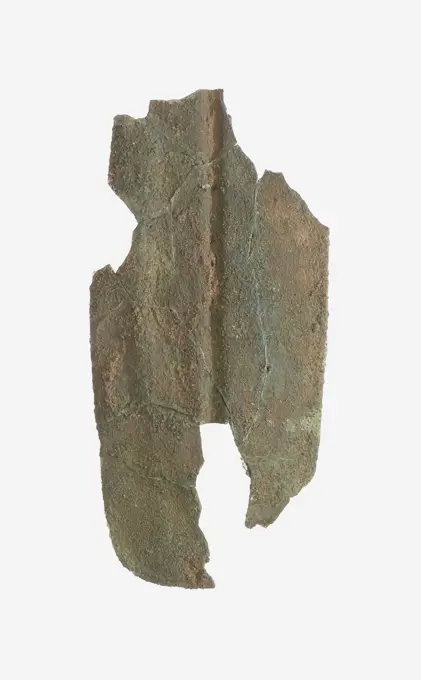
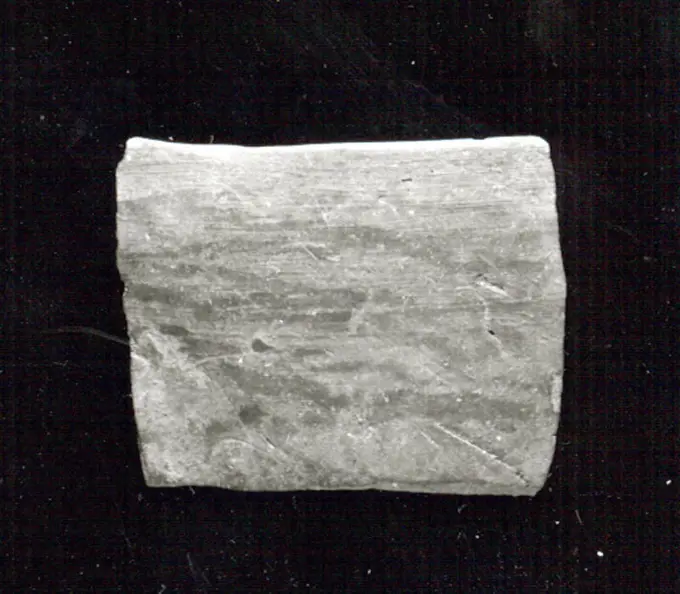
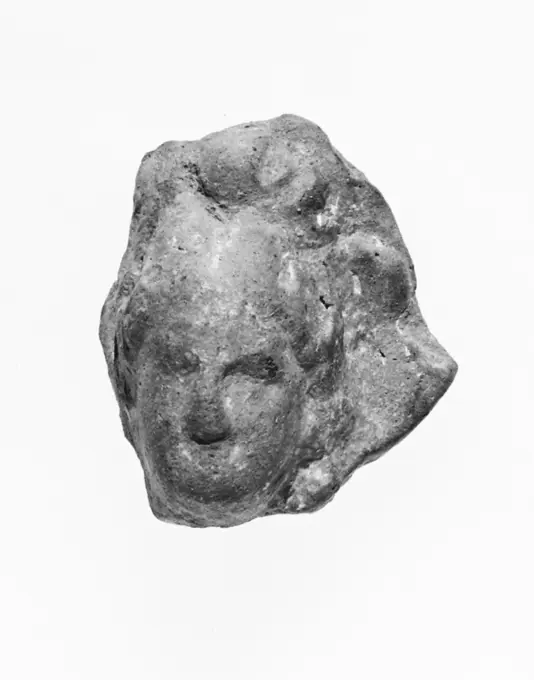
Images of archaeological fragments and stone sculptures, showcasing remnants of ancient art from various periods with subtle details.

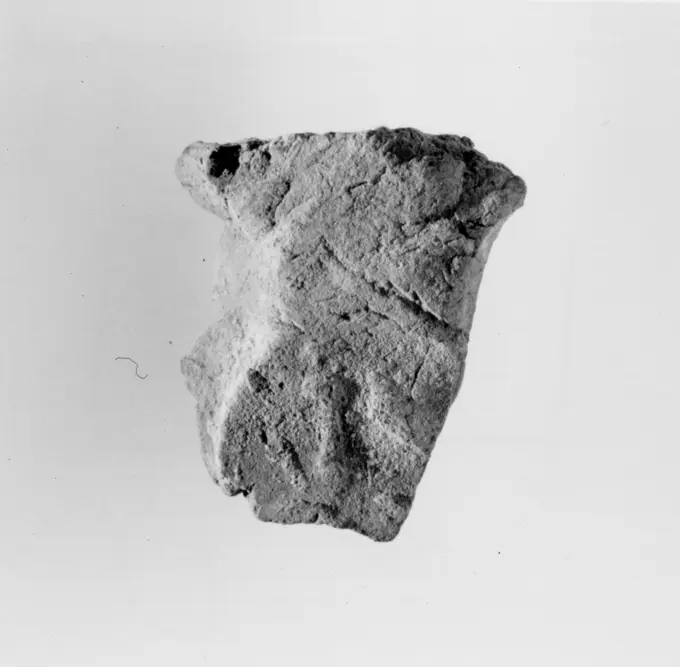
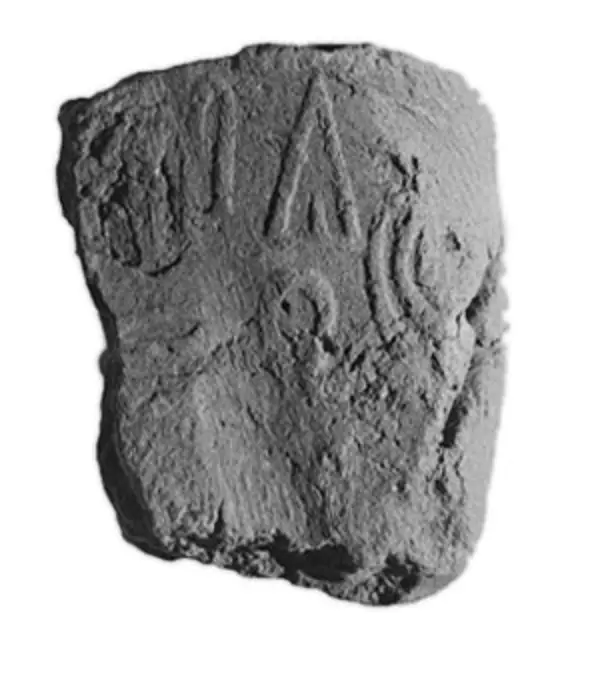
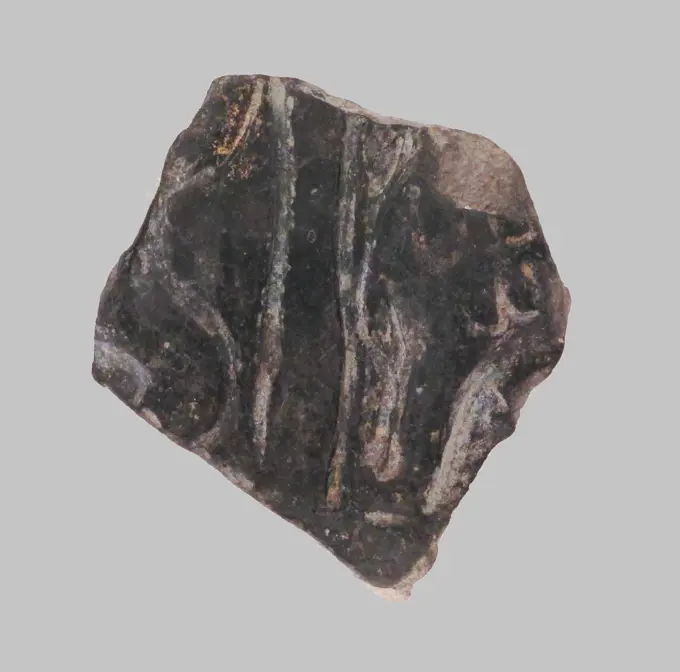
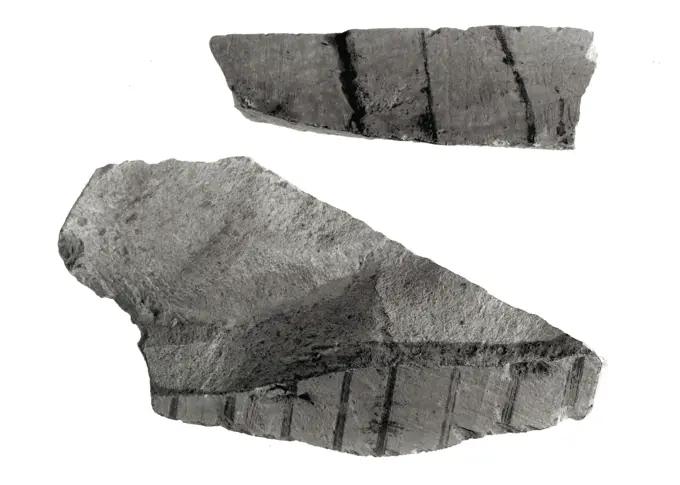
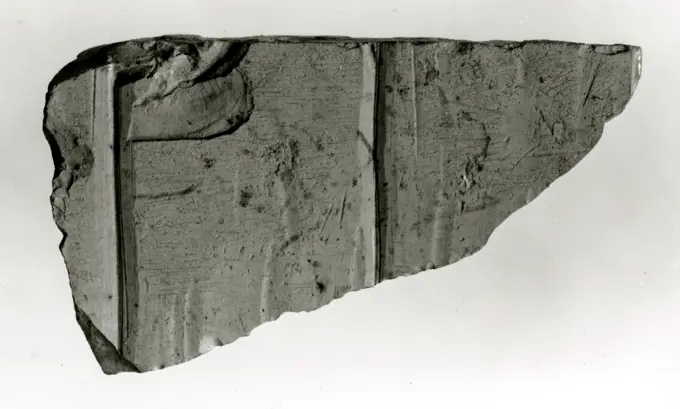
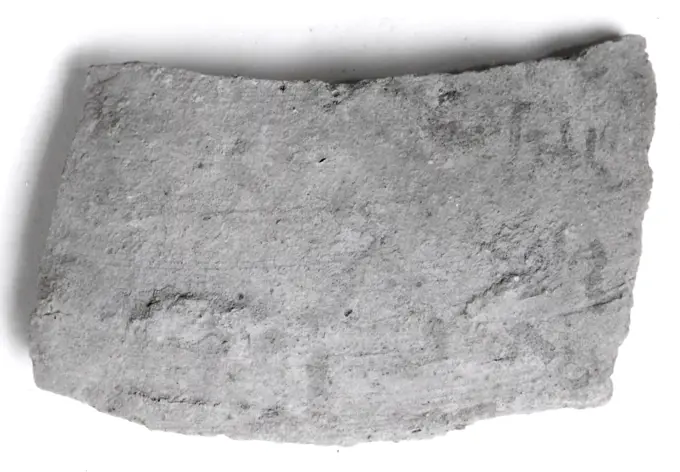
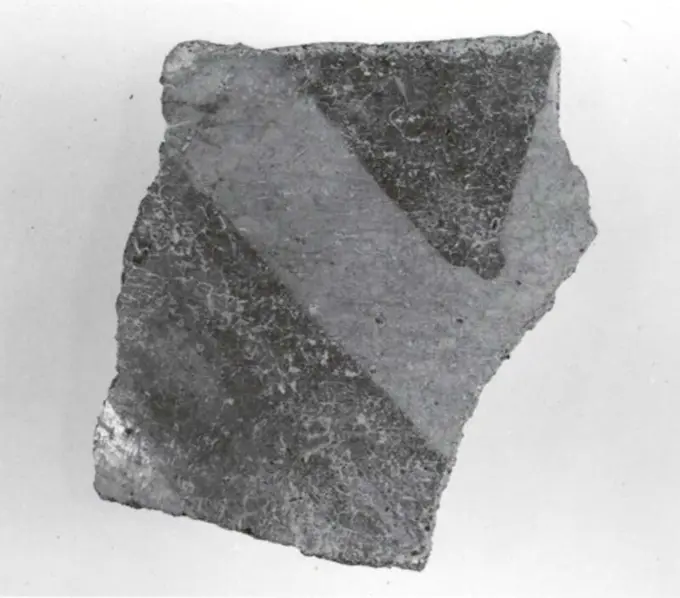
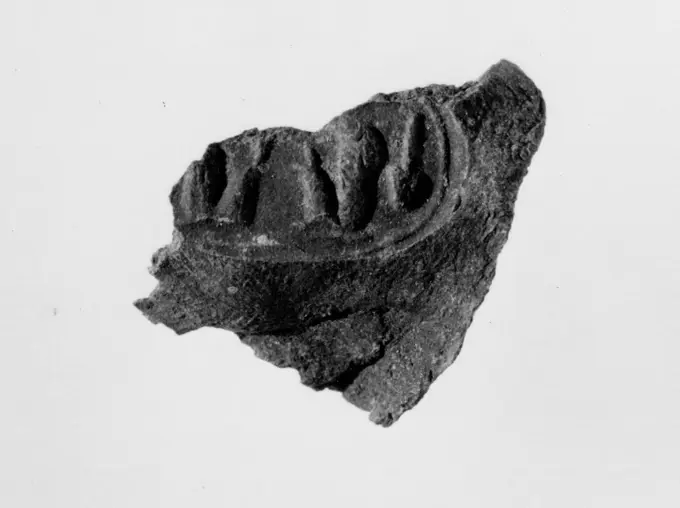
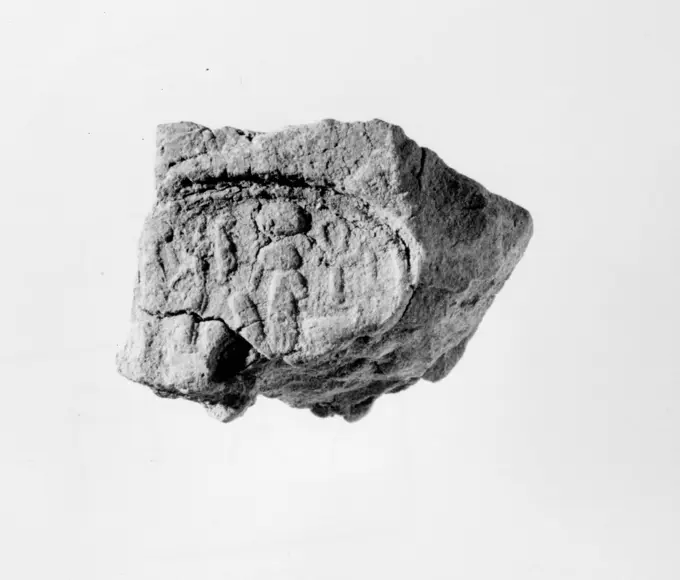
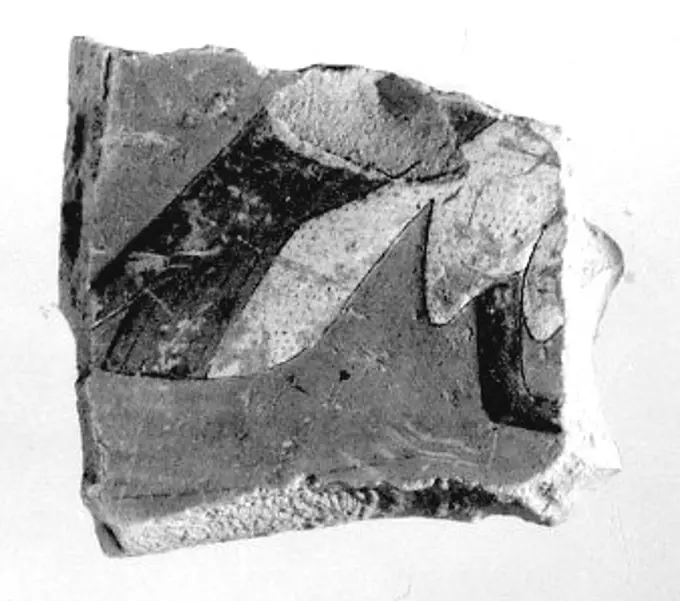
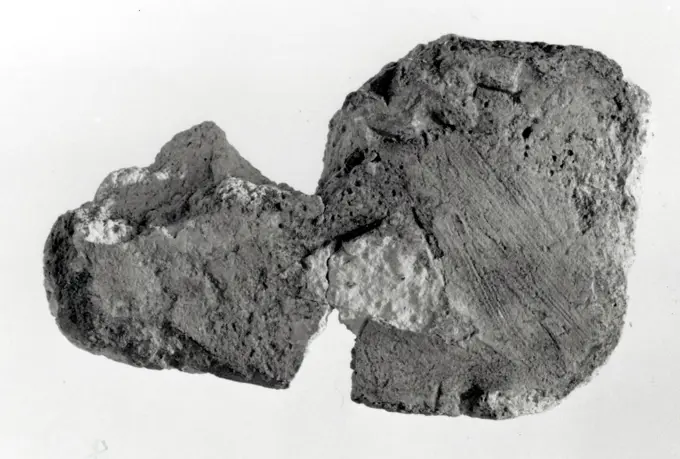
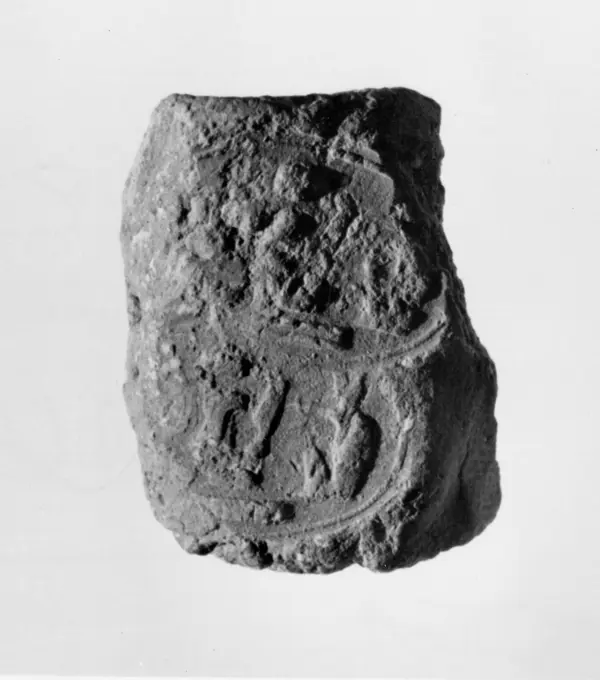
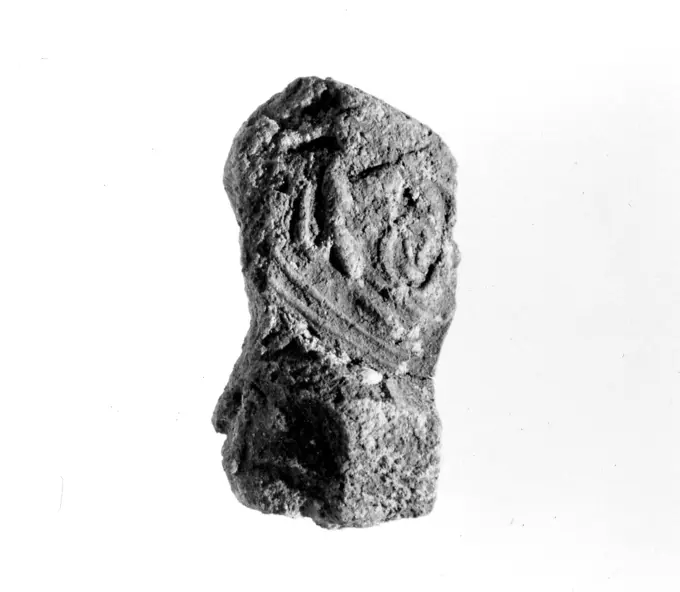
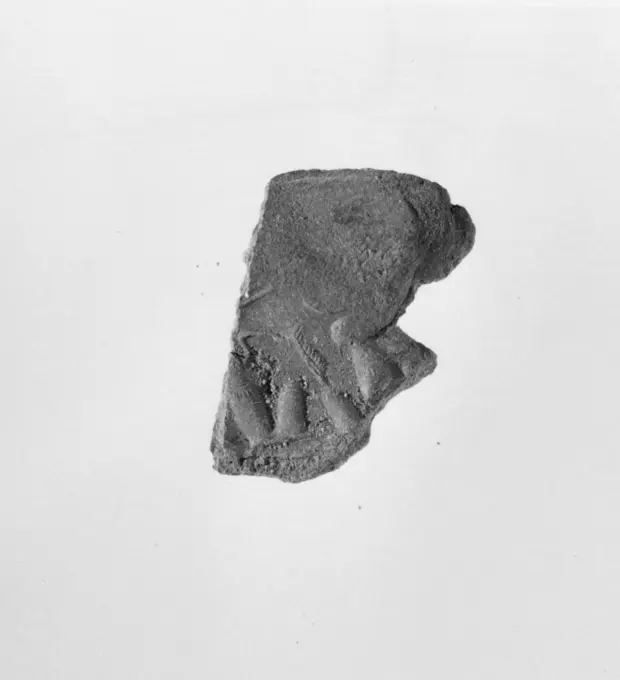
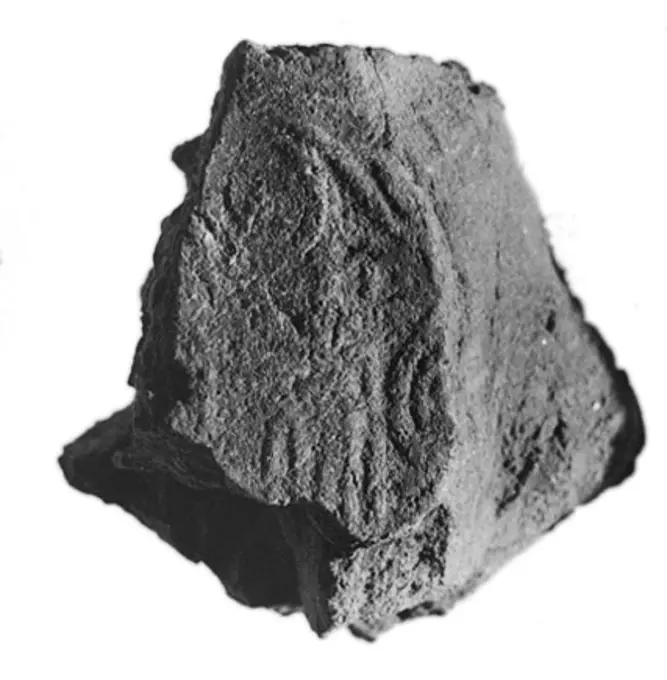
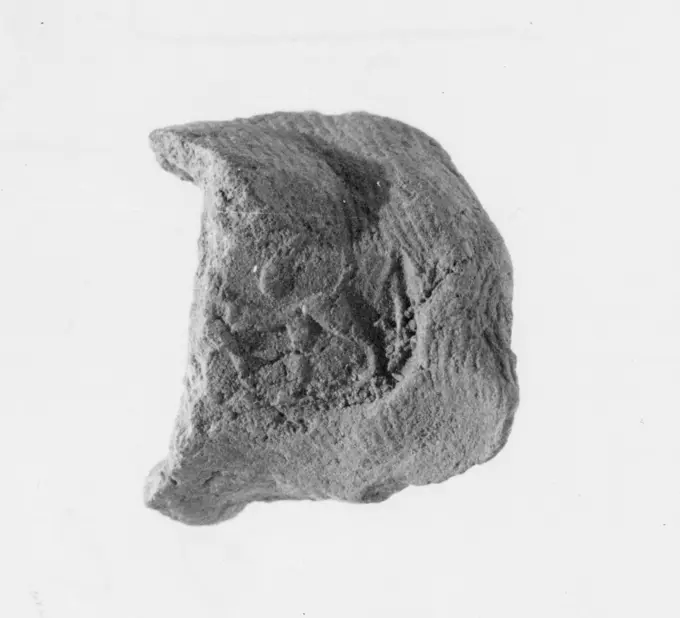
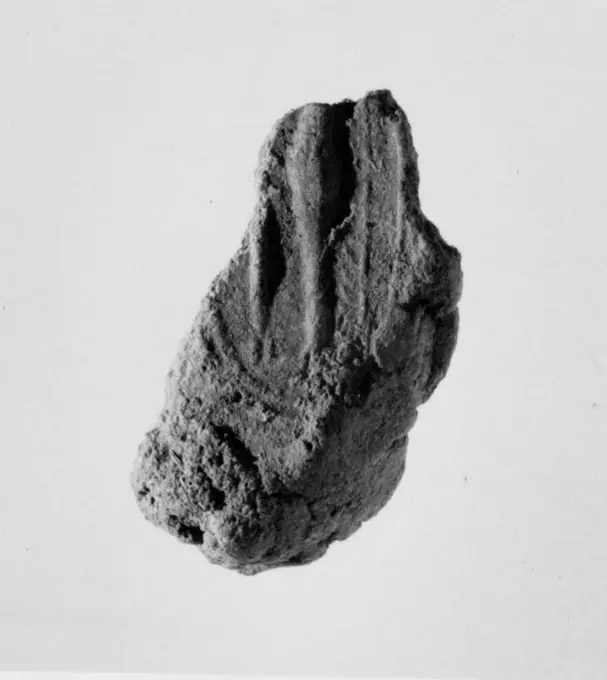
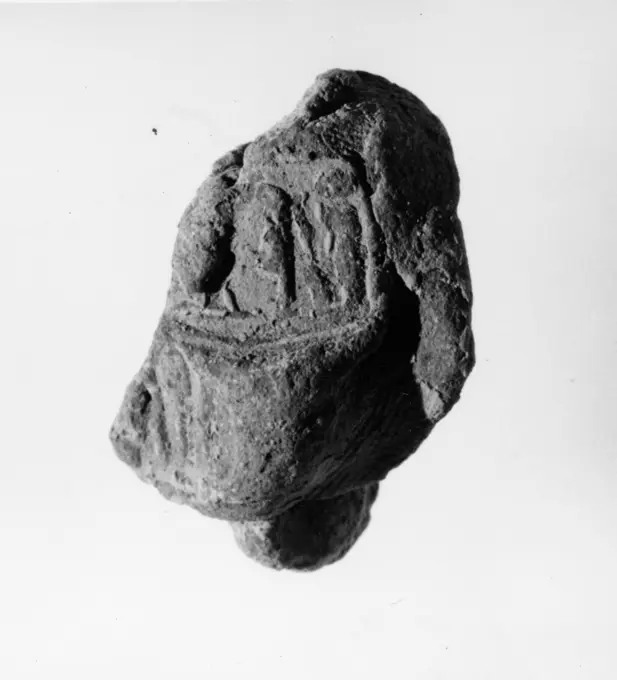
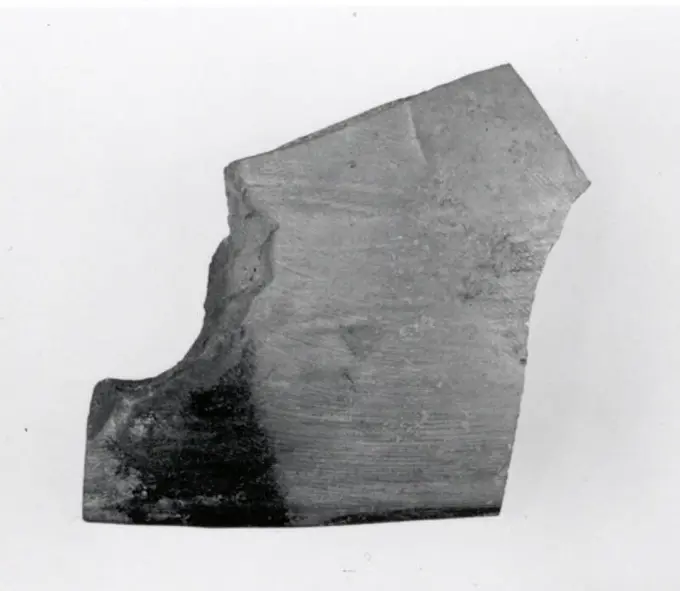
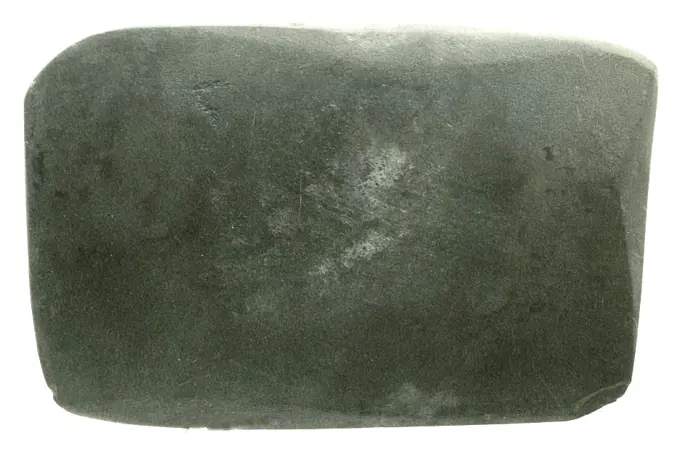
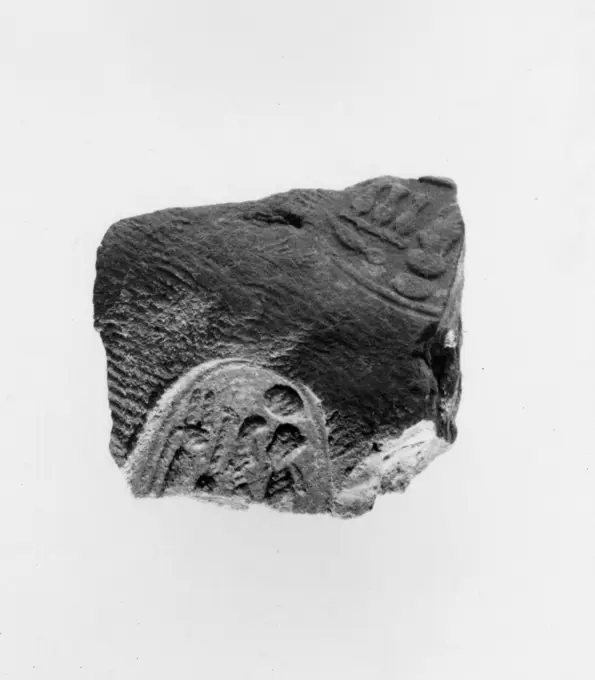
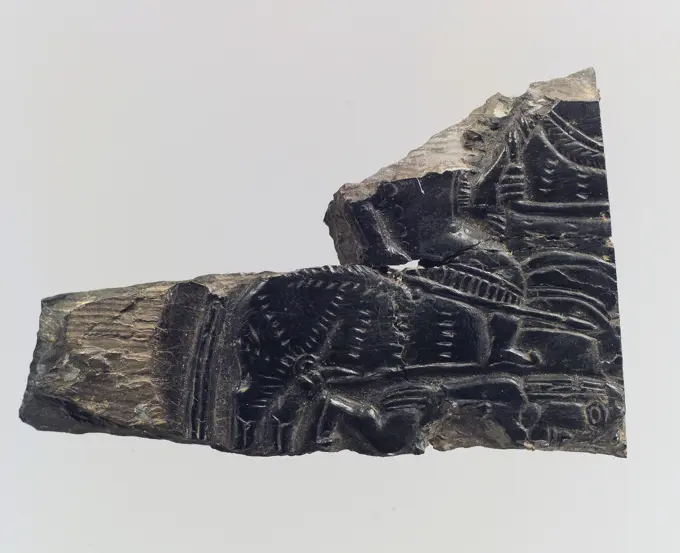
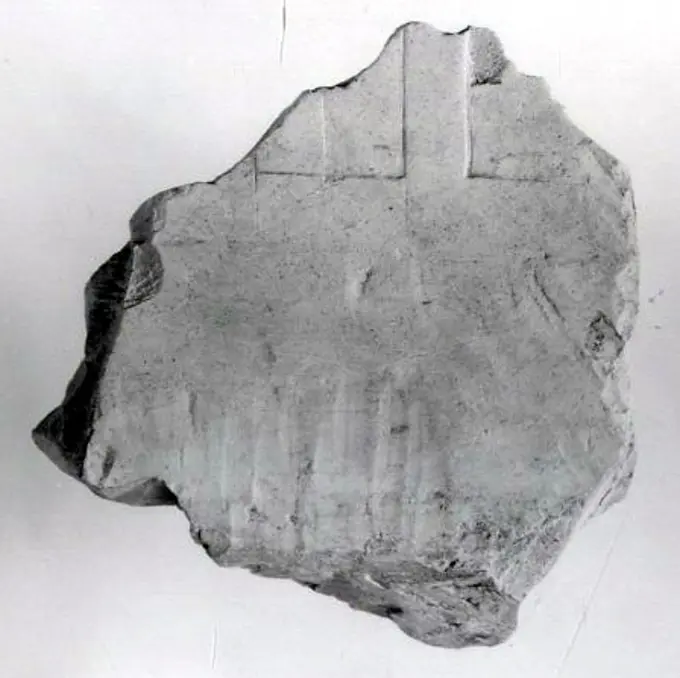
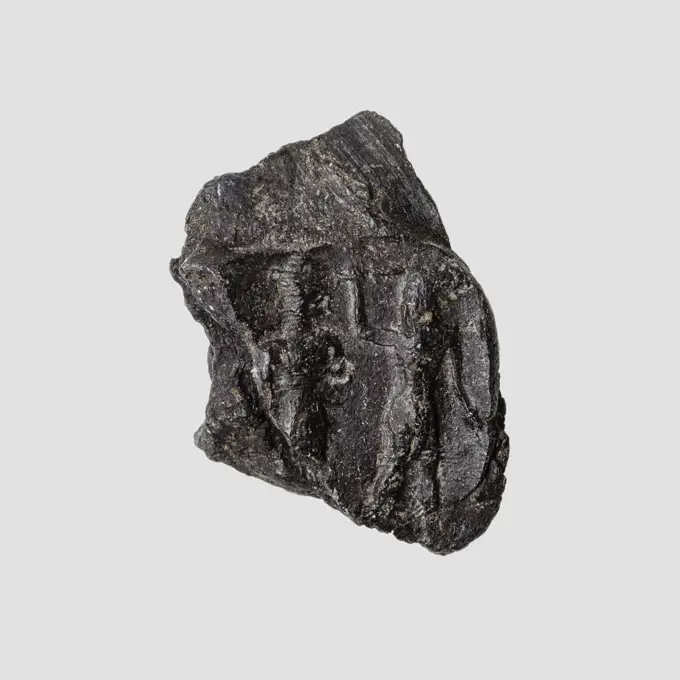
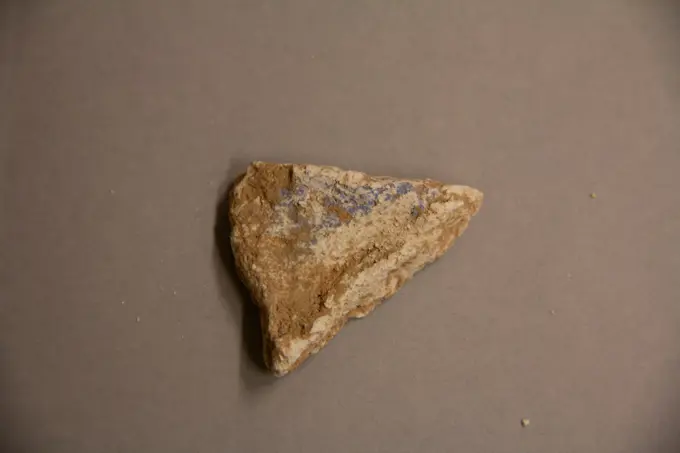
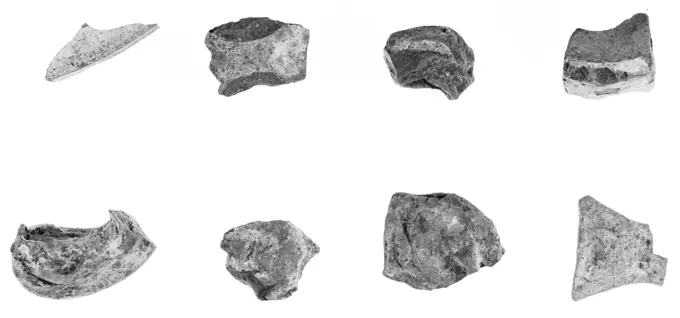
Sculpture Fragment. Unknown 530-520 B.C. This fragment belongs to a collection of thirty-nine non-joining pieces of a large relief monument that once depicted a male figure leaning on a wineskin and reclining on a kline (couch) padded with a thick cushion and pillow (J. Paul Getty Museum 81.AA.193; 81.AA.194.2-27; 82.AA.123.1-4; 85.AA.419.1-5; 86.AA.545.1-3). The scale of the Getty reclining figure is life-size and so was part of a substantial relief depicting a symposiast. This small fragment is part of a curved surface, but the original placement of the piece in the sculpture is uncertain. The carving of the relief fragments is of high quality with a refined degree of finish on the frontal surfaces; the back surface is finished with the fine pointed chisel and both sides are carefully finished with a claw chisel. The date of the relief is based on the quality of the sculpting and the style of the drapery, which is similar to sculpture dated in the last quarter of the sixth century B.