Spacecraft Preparation

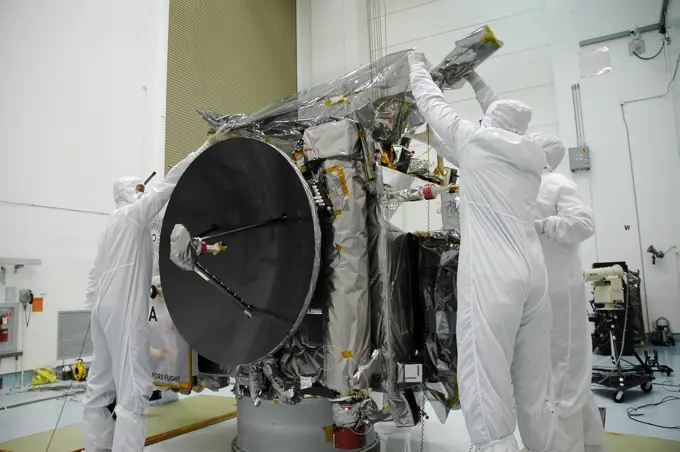
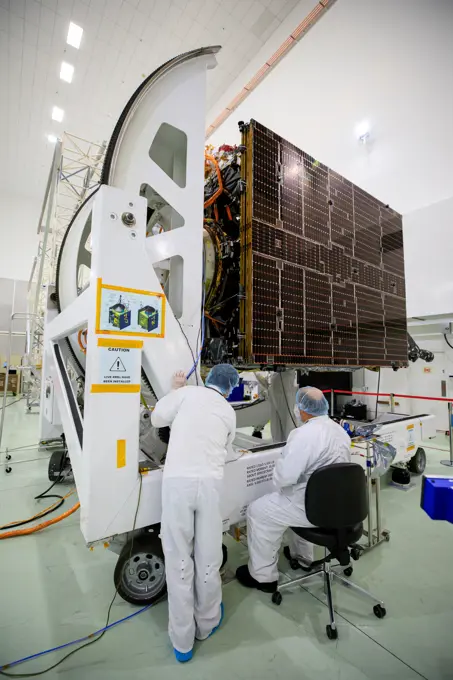
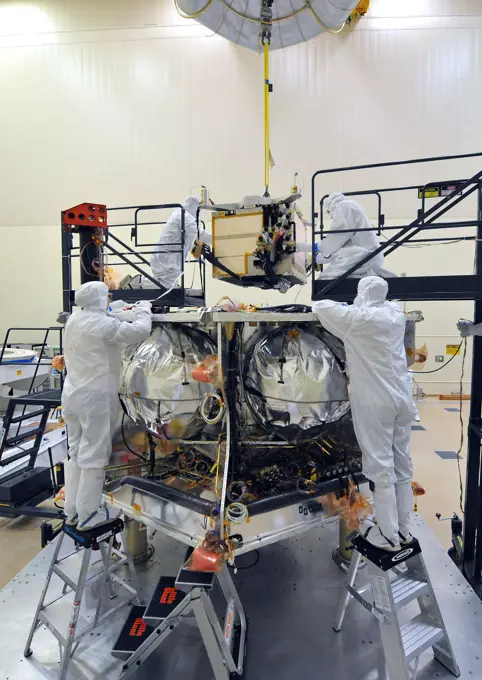
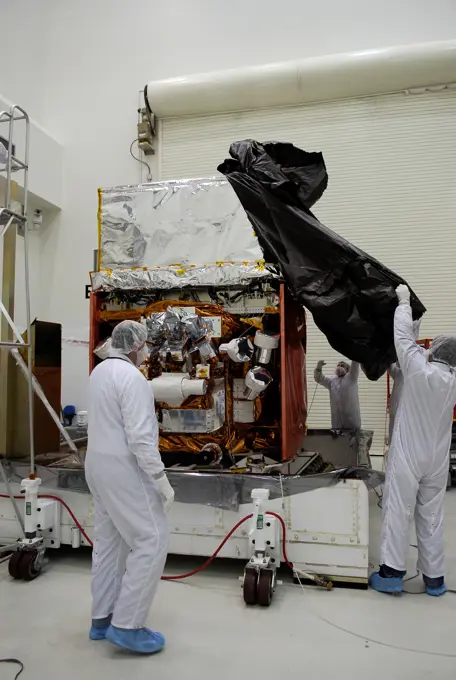
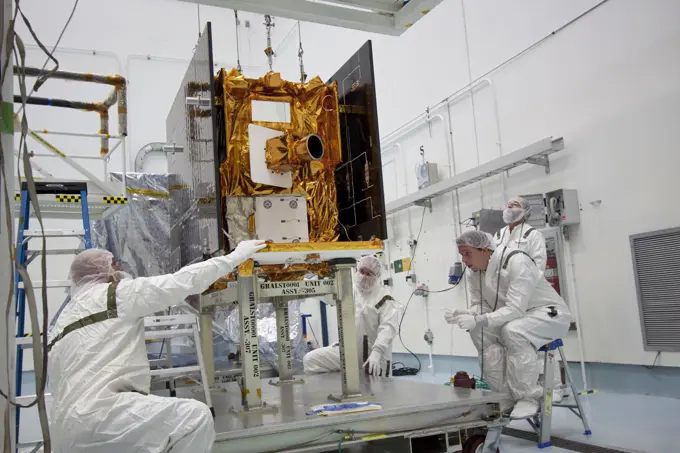
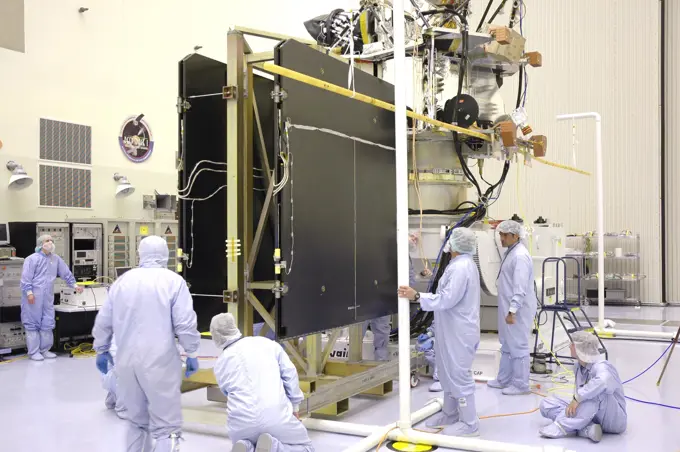
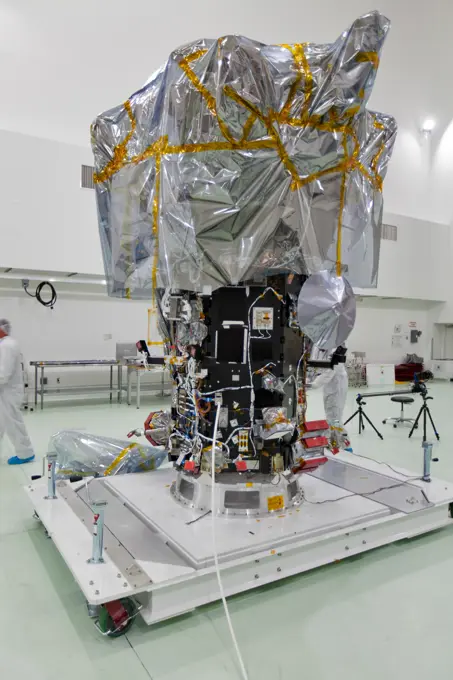
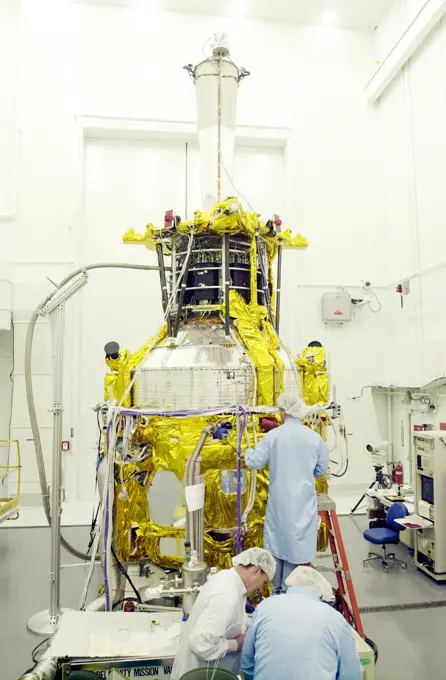
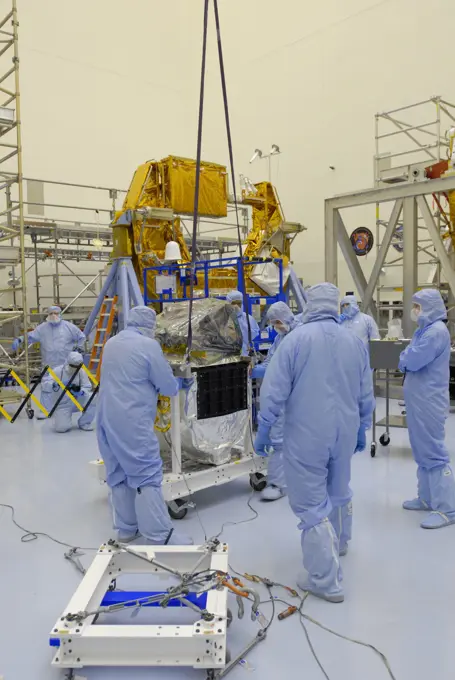
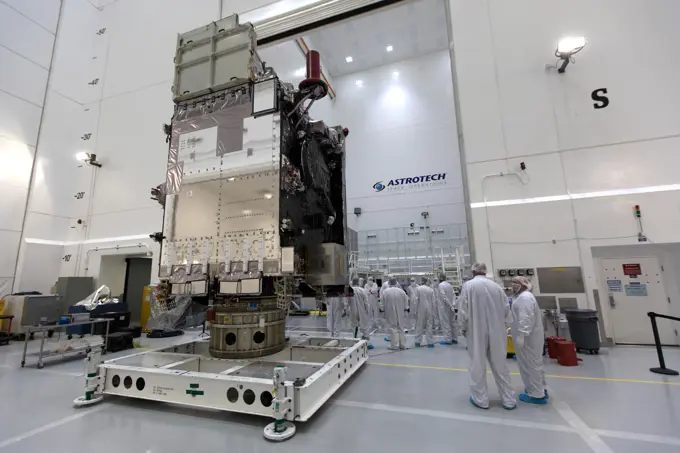
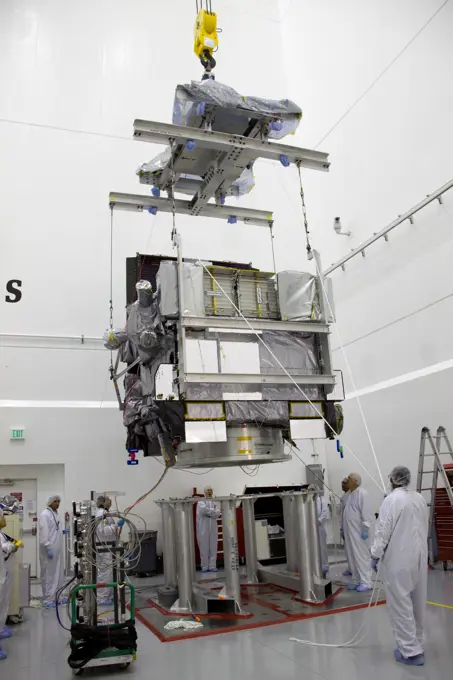
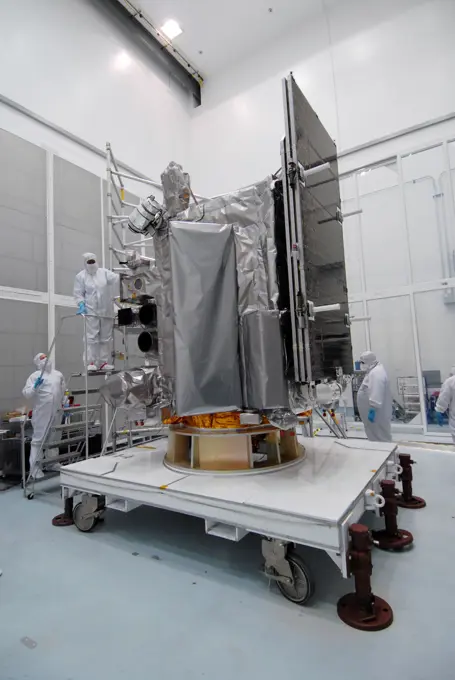
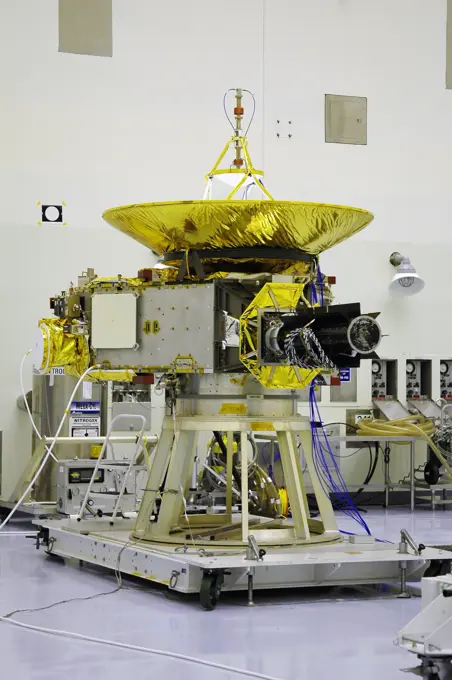
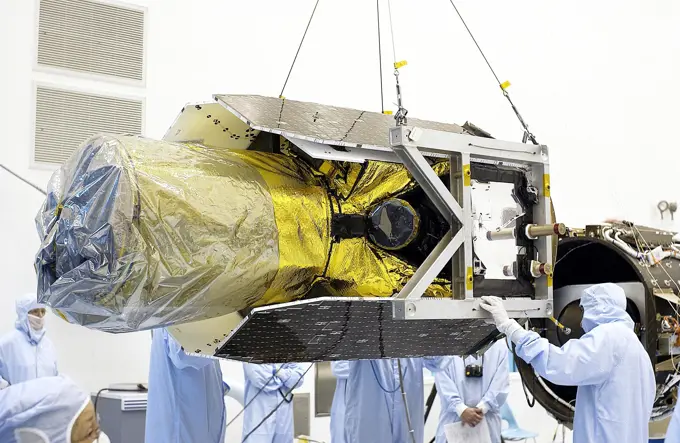
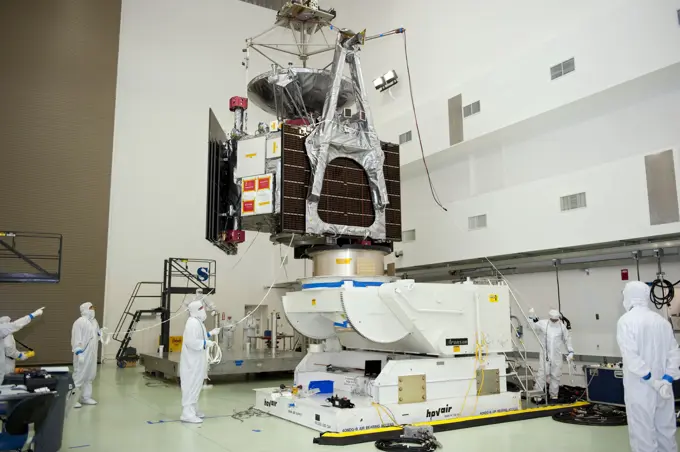
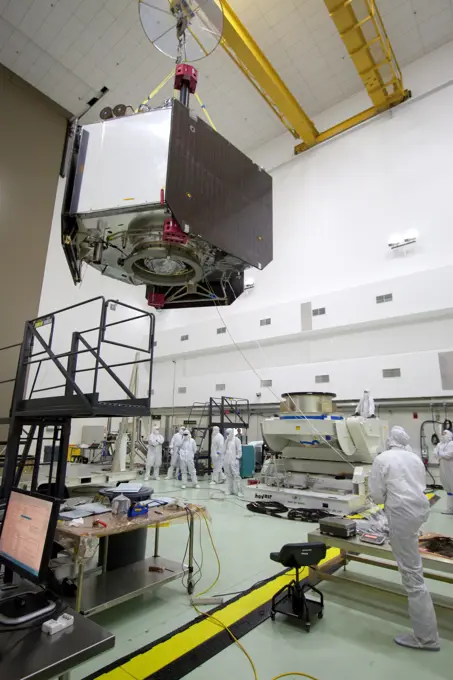
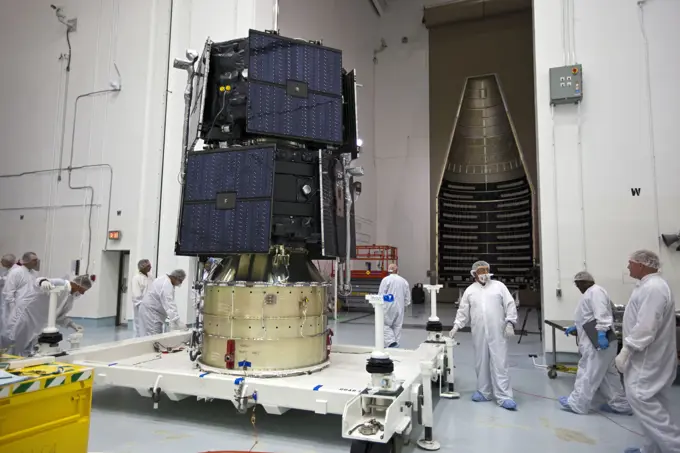
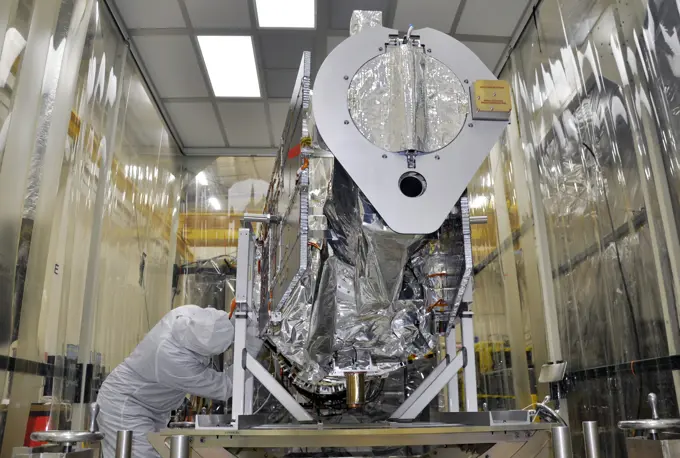
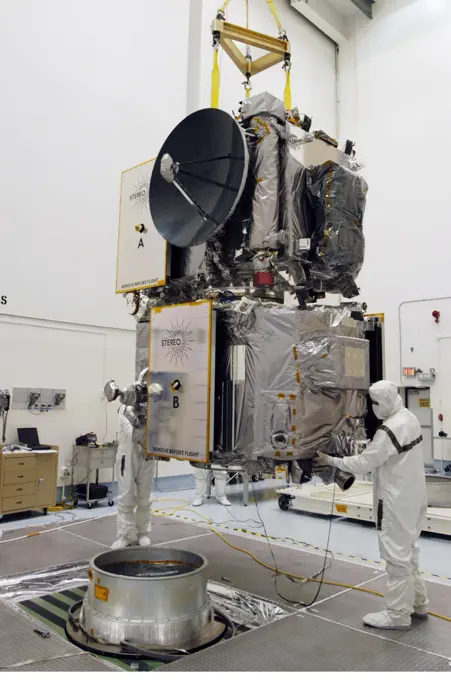
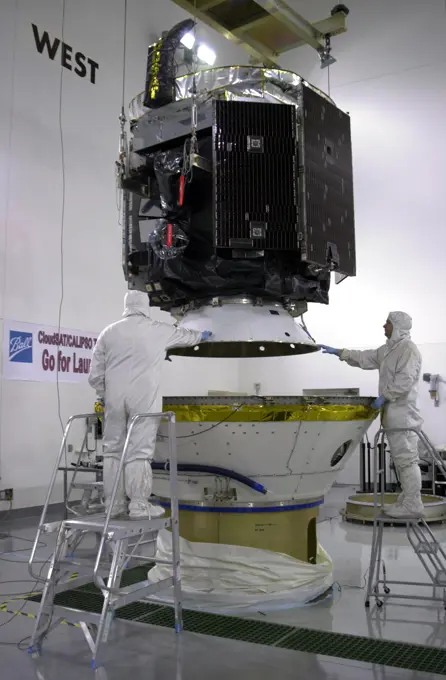
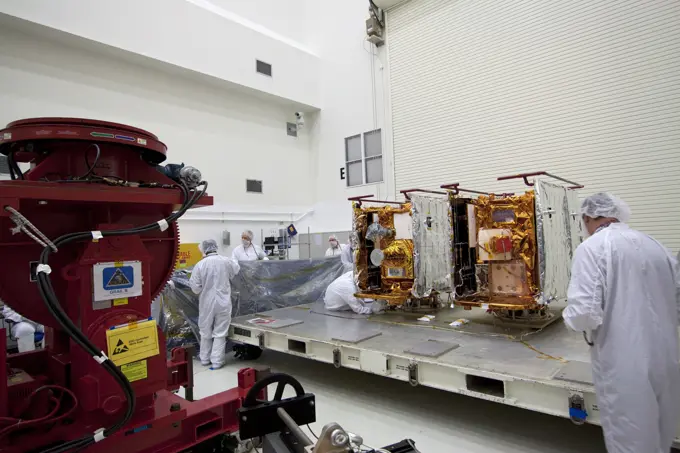
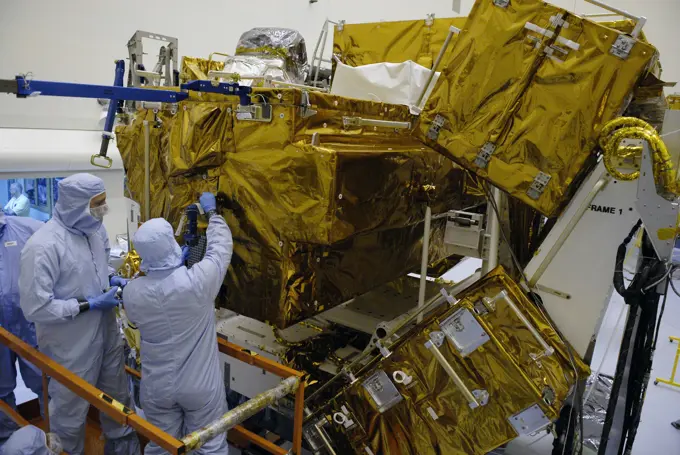
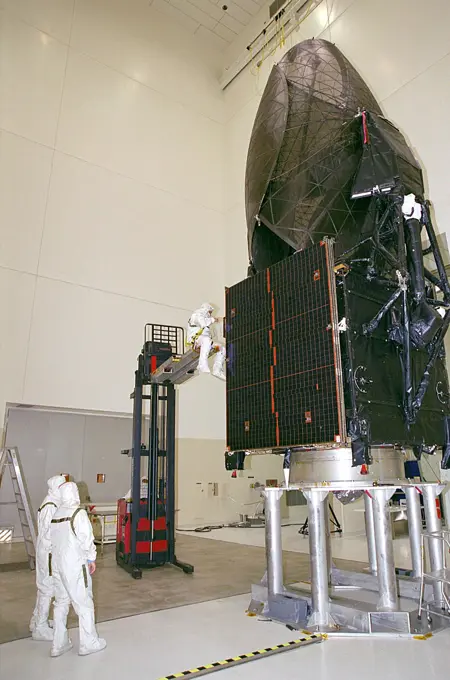
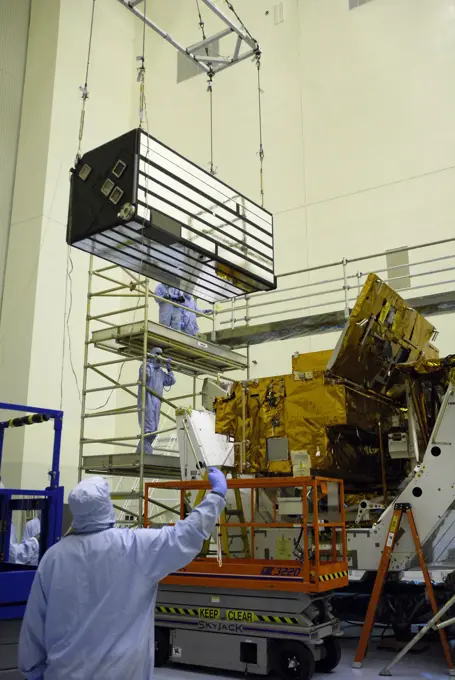
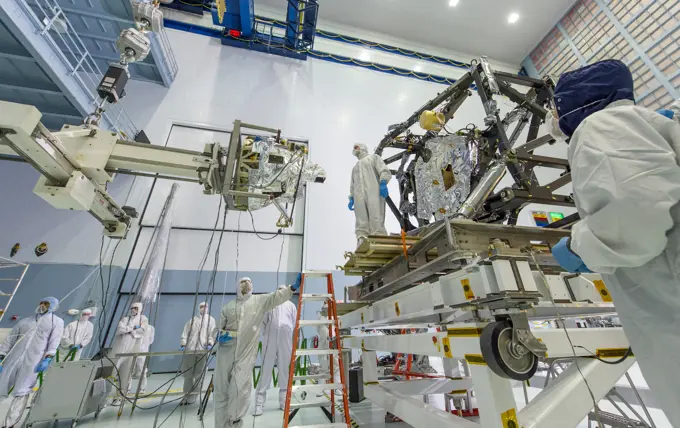
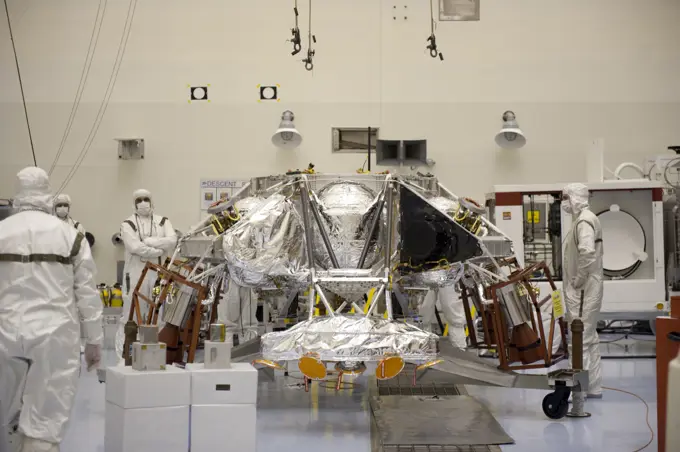
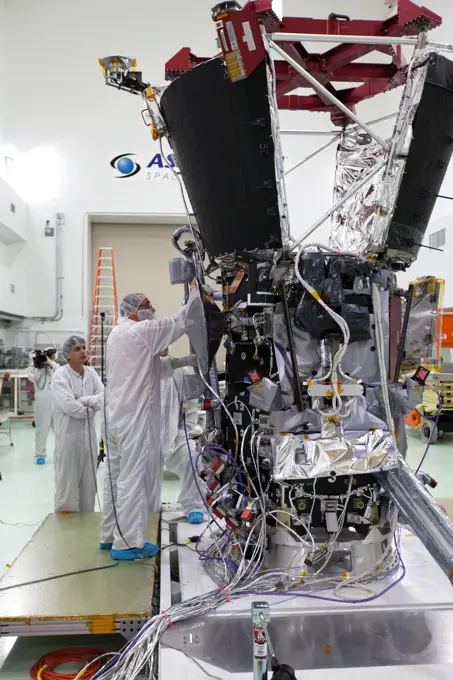
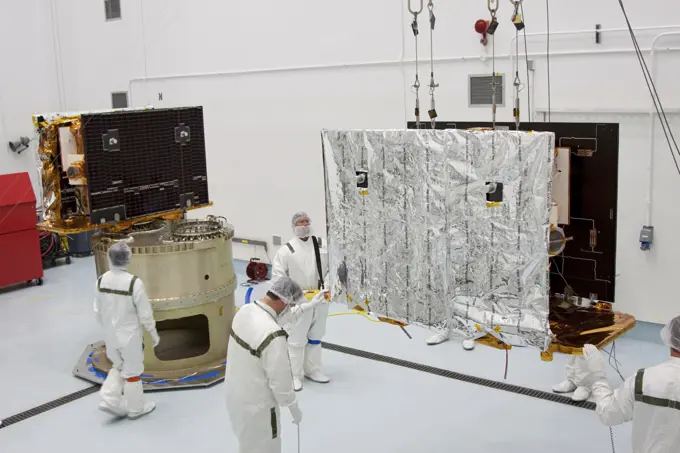
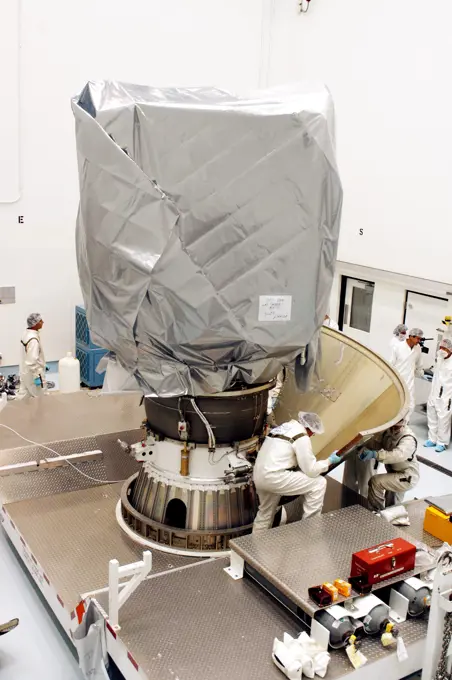
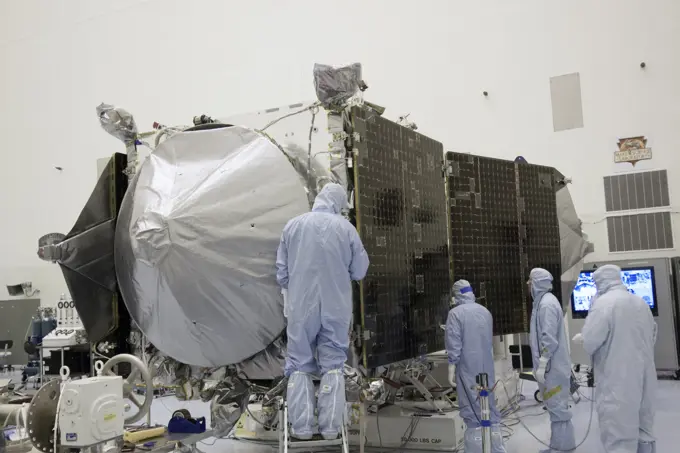
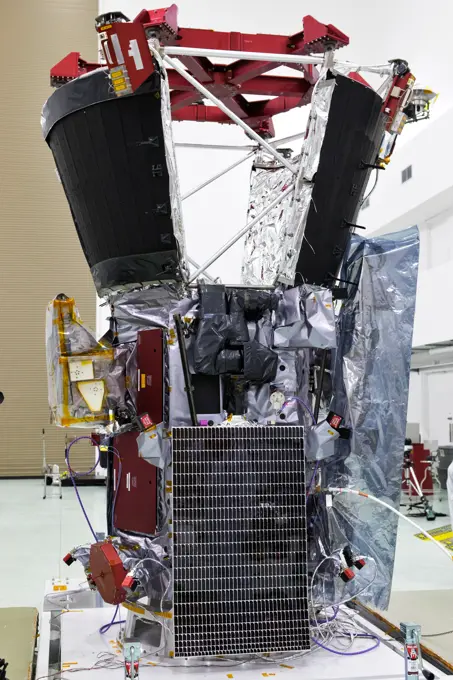
Images of technicians working on spacecraft at a facility, showcasing detailed processes for launch readiness in a clean environment.

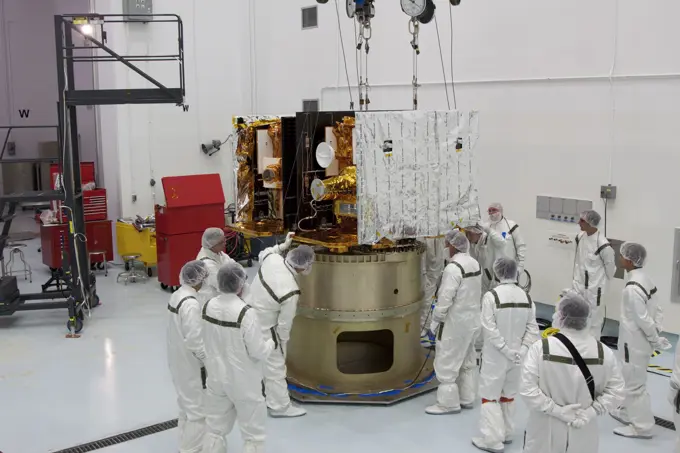
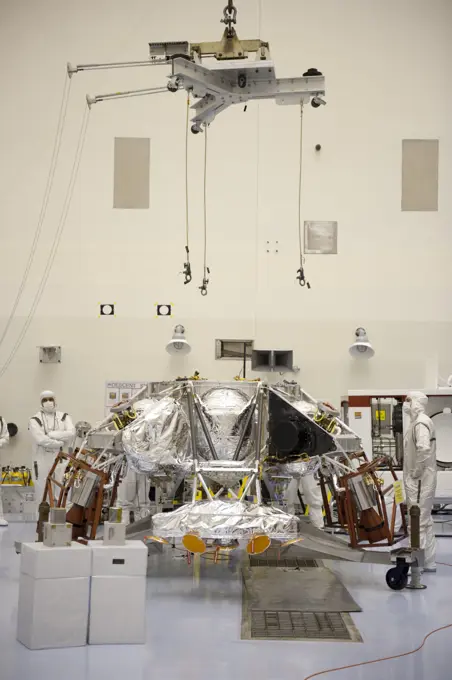
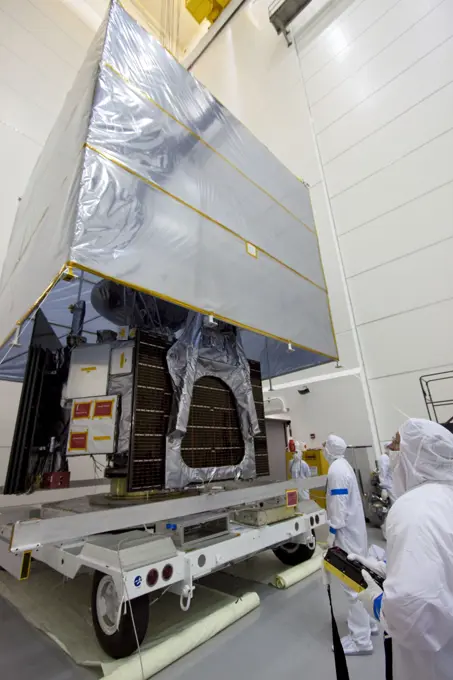
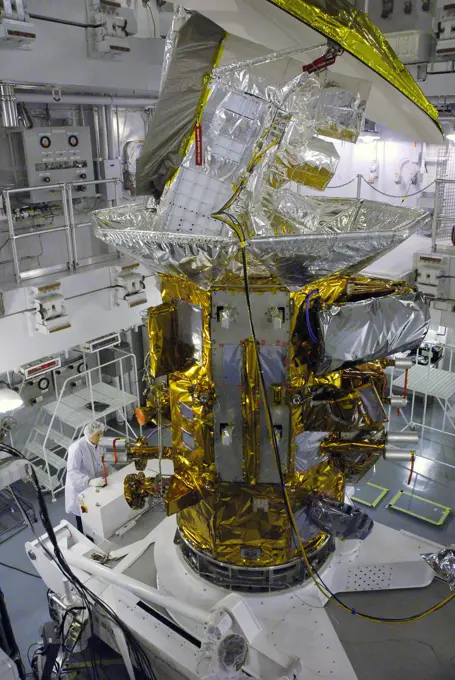
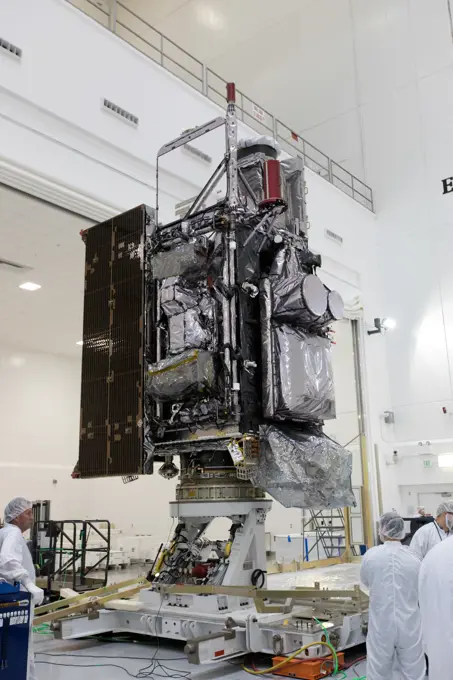
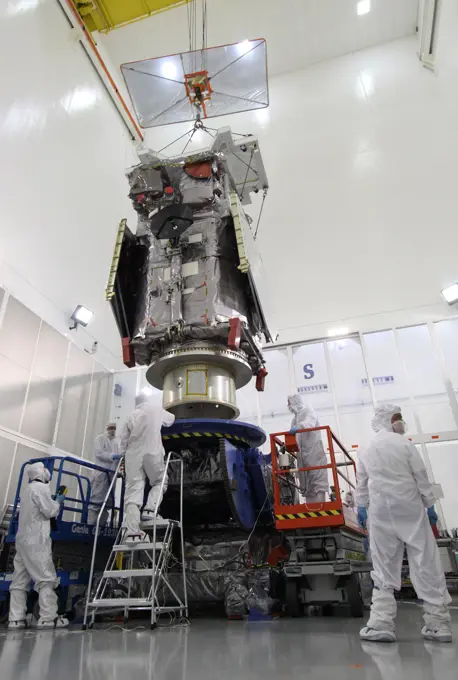
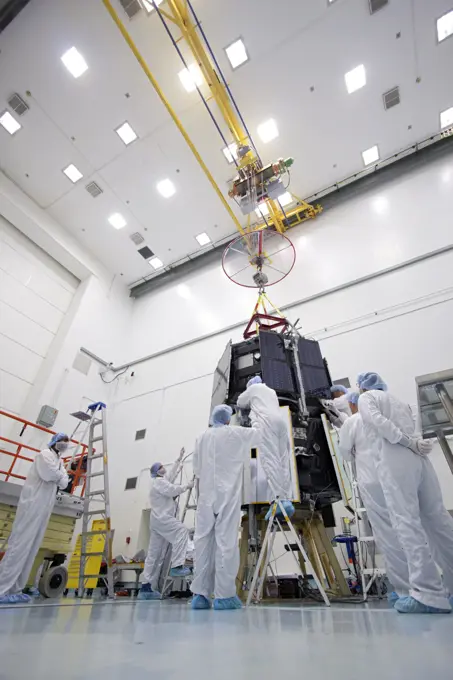
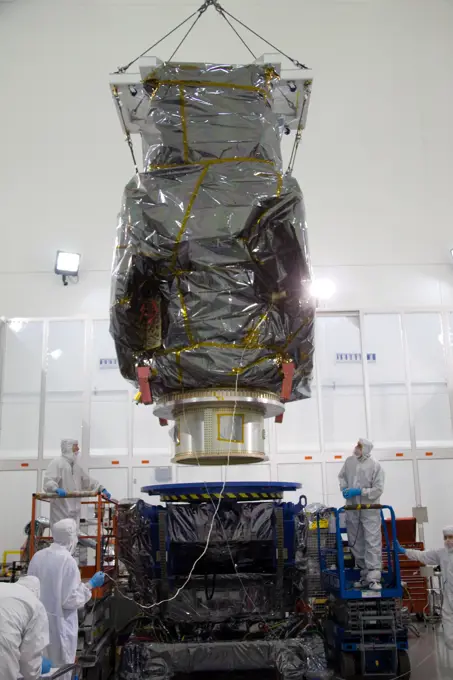
KENNEDY SPACE CENTER, FLA. - At Astrotech Space Operations in Titusville, Fla., Boeing technicians watch as an overhead crane lowers the Deep Impact spacecraft onto the Delta II third stage for mating. When the spacecraft and third stage are mated, they will be moved to Launch Pad 17-B at Cape Canaveral Air Force Station, Fla. There they will be mated to the Delta II rocket and the fairing installed around them for protection during launch and ascent. Scheduled for liftoff Jan. 12, Deep Impact will probe beneath the surface of Comet Tempel 1 on July 4, 2005, when the comet is 83 million miles from Earth. After releasing a 3- by 3-foot projectile to crash onto the surface, Deep Impacts flyby spacecraft will reveal the secrets of its interior by collecting pictures and data of how the crater forms, measuring the craters depth and diameter as well as the composition of the interior of the crater and any material thrown out, and determining the changes in natural outgassing produced by the